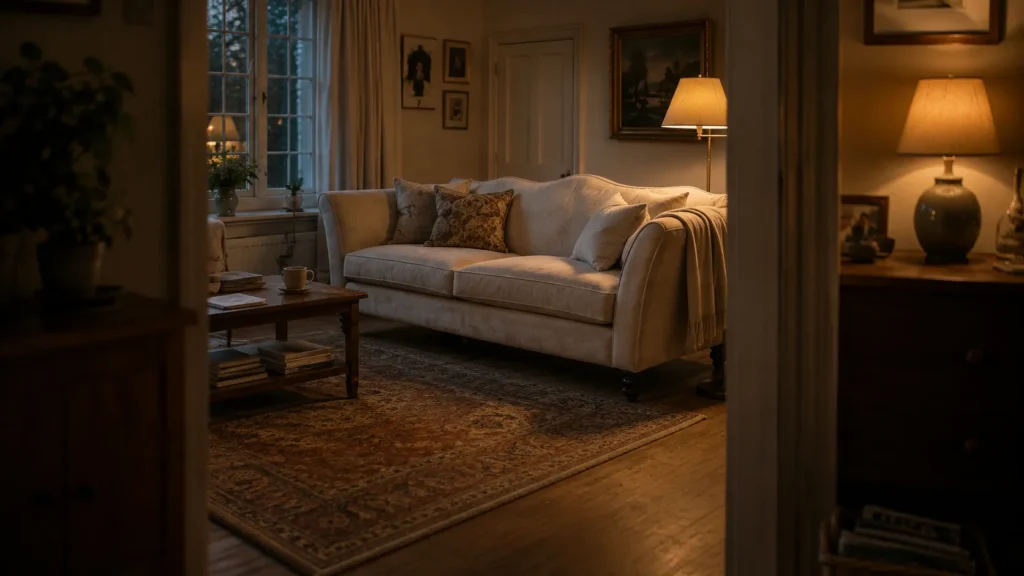
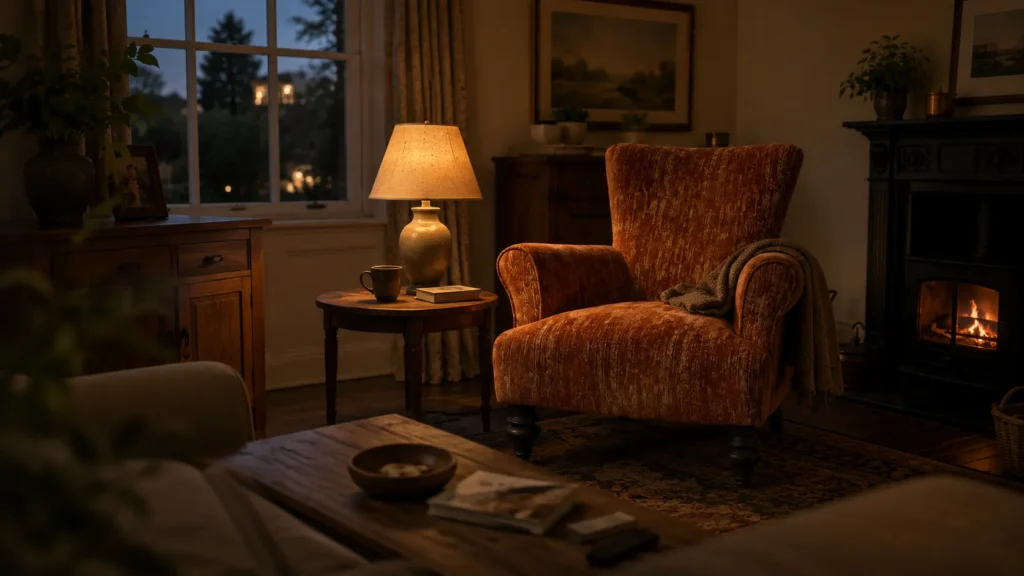
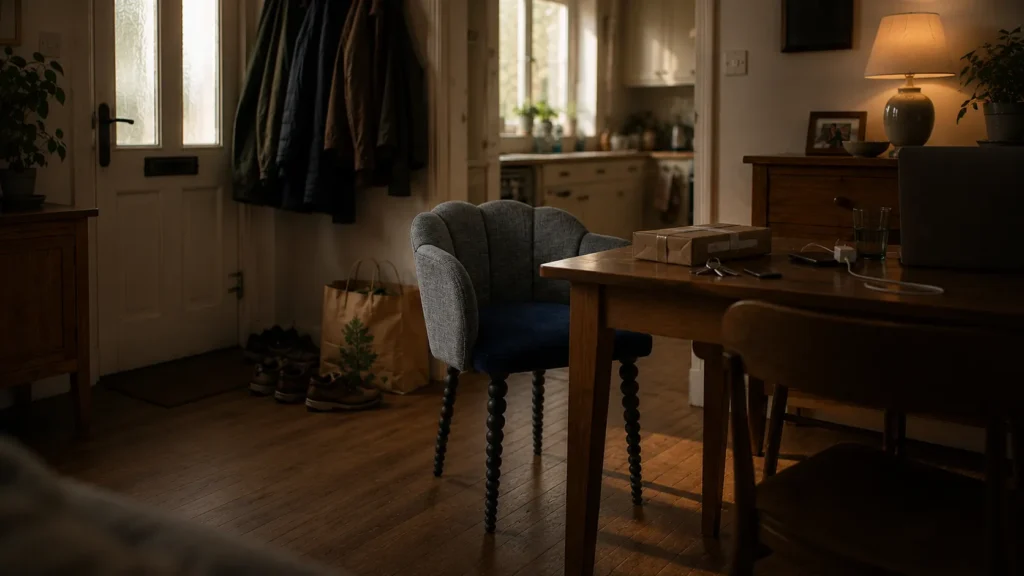
Most of us stop noticing the decisions we make long before the day is over.
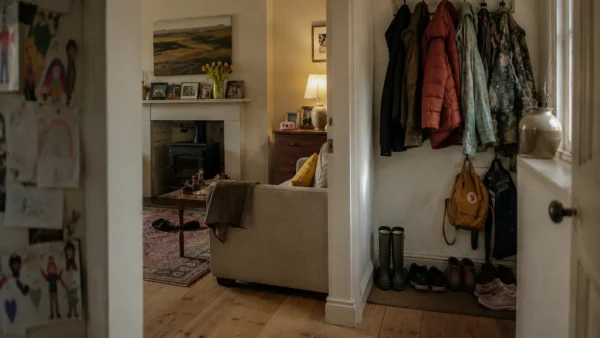
By the time we return each evening, countless small actions happen without thought. Keys are left in the same place. A coat is hung where it always hangs. Shoes are slipped off almost without looking. One light is switched on before any other. None of these actions feel significant because they have become so familiar that they no longer feel like decisions at all.
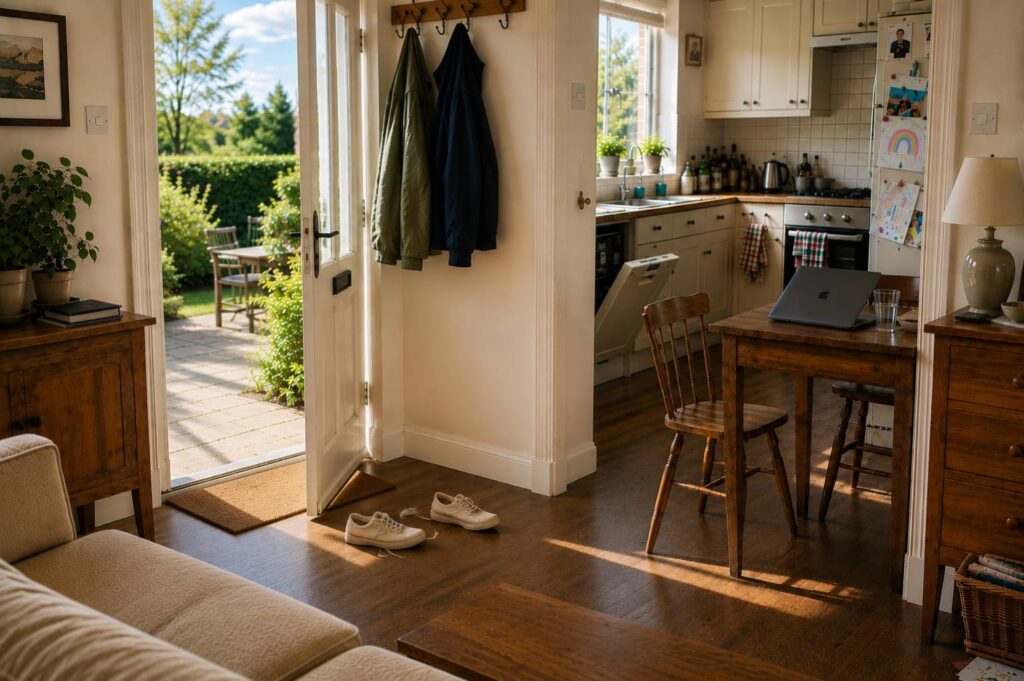
The kettle is filled. A laptop is closed but left on the dining table until morning. A phone is placed on the same charger it has found every evening for months. While the water boils, someone pauses beside the same window they have stood beside hundreds of times before, rarely noticing they always stop in exactly the same place.
A shopping bag waits to be unpacked. Headphones rest over the back of a chair. An unopened parcel sits where it was put down the evening before. Coats remain draped over the banister because everyone intends to carry them upstairs later and somehow never quite does.
None of this was planned. Nobody gathered one Saturday morning and decided which corner would quietly become the place everyone pauses before the evening begins, or where the small evidence of ordinary life would gradually collect. It simply happened because ordinary days have a habit of repeating themselves until they no longer feel like choices.
Perhaps that is why almost nobody notices the moment when the familiar quietly becomes part of who they are.
Nobody remembers the first evening that everything felt familiar. There is no photograph of it, no celebration and no conversation in which somebody quietly says, “I think this room belongs to us now.” One ordinary day simply follows another until the unfamiliar disappears without anyone noticing it leave.
The keys are dropped where they were yesterday. A conversation resumes exactly where yesterday’s conversation ended. Someone reaches automatically for the same light switch before the rest of the room has even come into focus.
Nothing announces the moment.
There is no ceremony. No conversation about it. No evening that feels different from the one before it. One ordinary day simply follows another until, years later, something becomes obvious that nobody ever saw happening.
Nobody ever notices the day a room becomes part of them.
It happens too gradually to witness. By the time we recognise it, it has already been true for years.
That is why almost nobody can answer a surprisingly simple question.
When did this room stop feeling unfamiliar?
Most of us cannot remember. Not because the memory has faded, but because there was never a single moment to remember. There was no grand transformation, no dramatic decision and no evening that felt different from the one before it.
Life simply kept arriving.
Meals around an ordinary table became habits rather than occasions. School bags found their usual place near the door. The washing-up became the moment when conversations naturally lingered. One ordinary Tuesday followed another until those Tuesdays quietly became the life everyone would later remember.
Rooms rarely change because somebody decorates them differently. They change because life keeps returning to them. Every familiar routine settles a little deeper until the room no longer feels like somewhere we simply spend our time.
It begins to feel less like somewhere we visit each day and more like somewhere that has quietly been expecting us to return.
As familiarity quietly settles in, something else begins to change.
Our lives begin arranging themselves around the room almost without our noticing.
Someone naturally ends the evening in the same corner of the room. A reusable shopping bag is always left beside the back door. Letters gather on one end of the dining table until somebody finally carries them away. Nobody plans these habits. They simply become the way life is lived.
A visitor might notice only a chair catching the afternoon light. The people who live there recognise where the first cup of tea is always finished, where difficult conversations somehow become easier and where quiet evenings naturally come to rest.
A staircase is only a staircase until it quietly becomes where shoes are left halfway up, someone pauses to call into another room and everyday life briefly gathers before moving on.
None of these places were designed for those purposes. They earned them through repetition.
[sankey_join_card]
The rooms we know best never feel like collections of furniture.
They feel like collections of habits. Places where mornings begin in familiar ways, evenings come gently to rest and ordinary life discovers its own rhythm.
Only after enough ordinary days have quietly passed do we realise something unexpected.
We thought we had been shaping the room.
Perhaps, all along, the room had been quietly shaping us.
Not through its walls or its decoration, but through the ordinary routines it patiently encourages until those routines quietly become part of the people we are. Without ever noticing when it happened, we stop adapting ourselves to the room. We begin living as though we had always belonged there.
That may also explain why we remember homes so differently from the way we remember houses. Years later, very few people can recall the colour of a wall or exactly where every piece of furniture stood. They remember where everyone naturally gathered when someone had good news to share. They remember the doorway where they waited to hear someone come home.
In the end, it is rarely the room itself that stays with us.
It is the life that quietly taught the room what it meant.
The most important things our homes give us rarely arrive with any sense of occasion.
There is no single evening when one place quietly becomes the place everyone naturally returns to. No morning when the kitchen becomes where every new day begins. No conversation in which an ordinary corner quietly becomes the place everyone instinctively gathers.
These things never announce themselves. They simply happen often enough that they stop feeling remarkable.
And perhaps that is the quiet miracle of every well-lived home.
Years from now, none of those moments will seem extraordinary.
Together, they will simply feel like home.
So before you turn the page, look around.
There is almost certainly something you no longer notice.
Not because it has become less important.
But because it has quietly become part of your life.