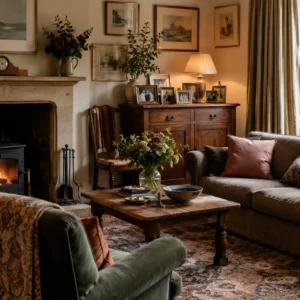
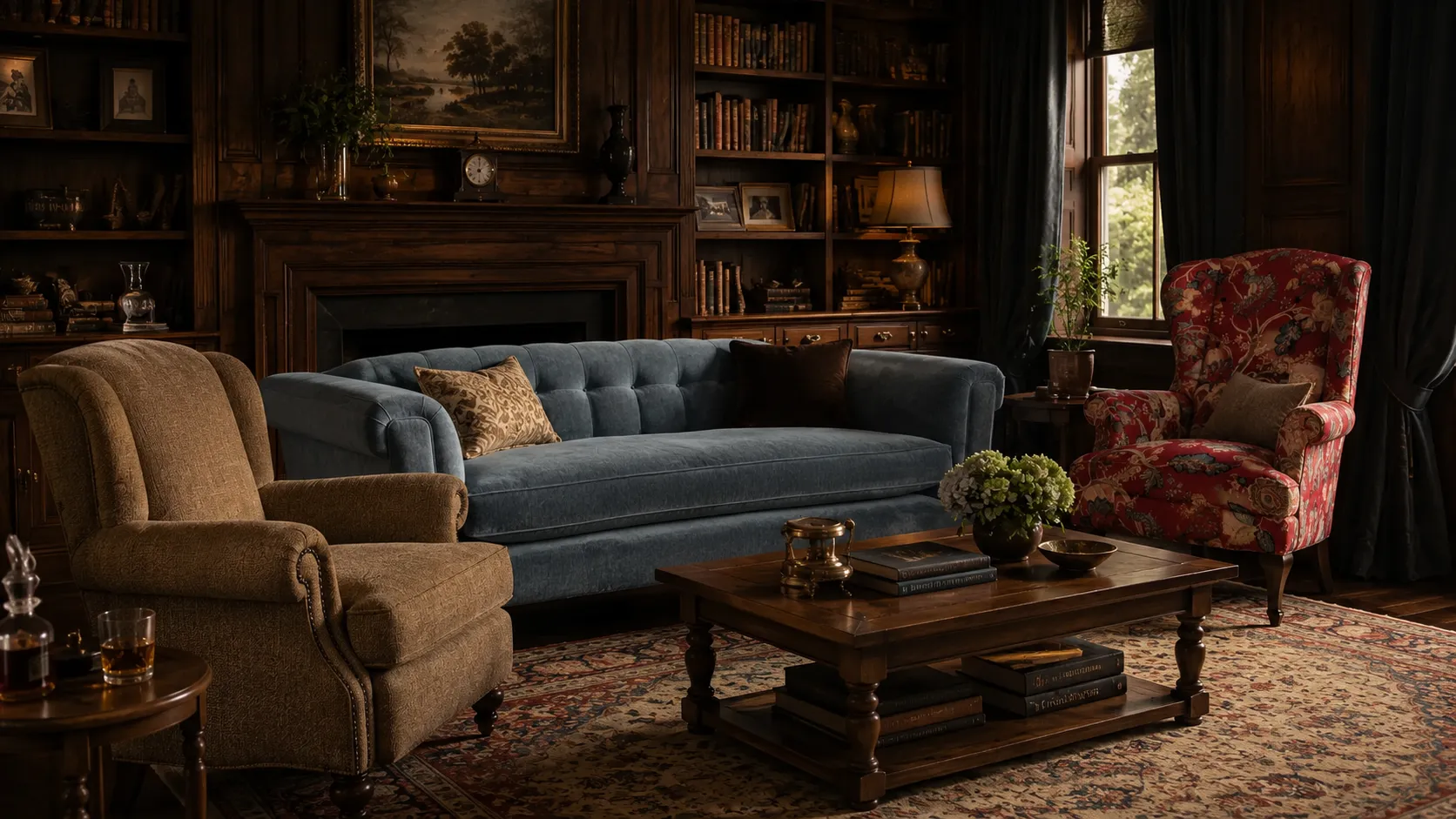
For three days this week, we opened the doors of our Long Eaton showroom and factory for Long Point.
People arrived to see finished furniture. Before long, many were asking about what sat beneath the fabric, who had made each piece and why one seat felt different from another.
That is what experience does. It changes the things we notice.
This issue follows that thought through the town, the workshop and into the homes where John Sankey furniture goes on to live.
PLACE · LIVING HERITAGE
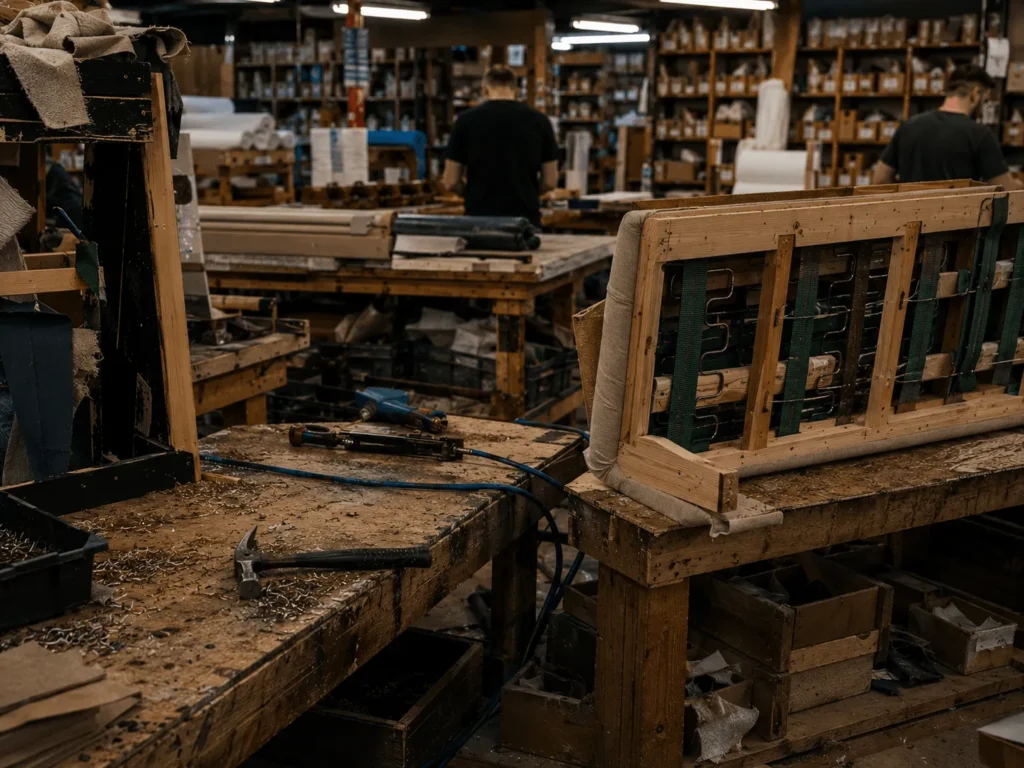
Walk through Long Eaton and the evidence of repeated work appears at the scale of streets. The shape of the work remains visible in the shape of the town.
John H Sankey entered Long Eaton during the overlap between lace and furniture. The certificate of incorporation records J H Sankey and Sons Furnishings Limited on 10 April 1953. The date belongs to John Sankey; the town around it had already spent generations making.
The day has not yet started. But everything is ready.
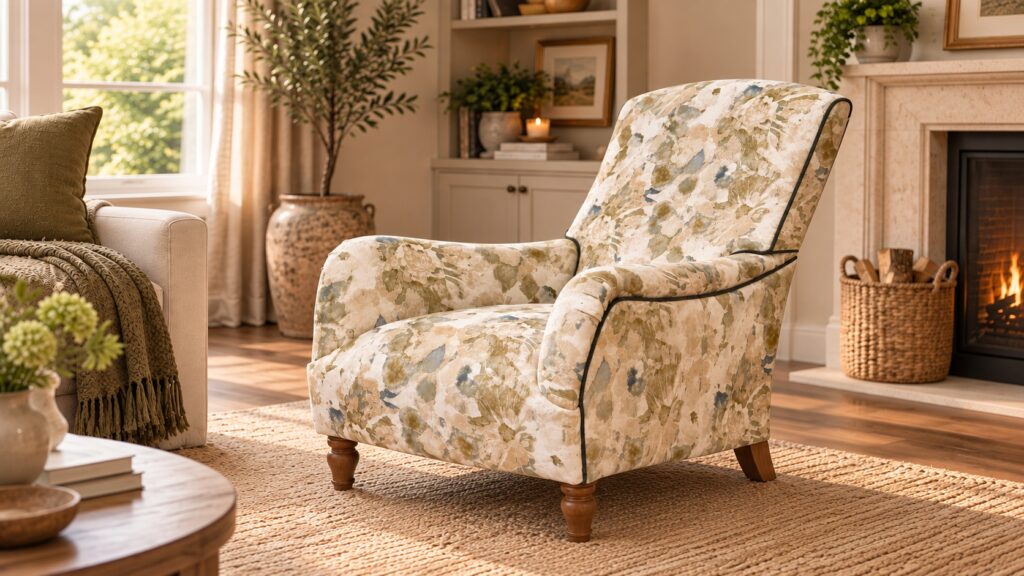
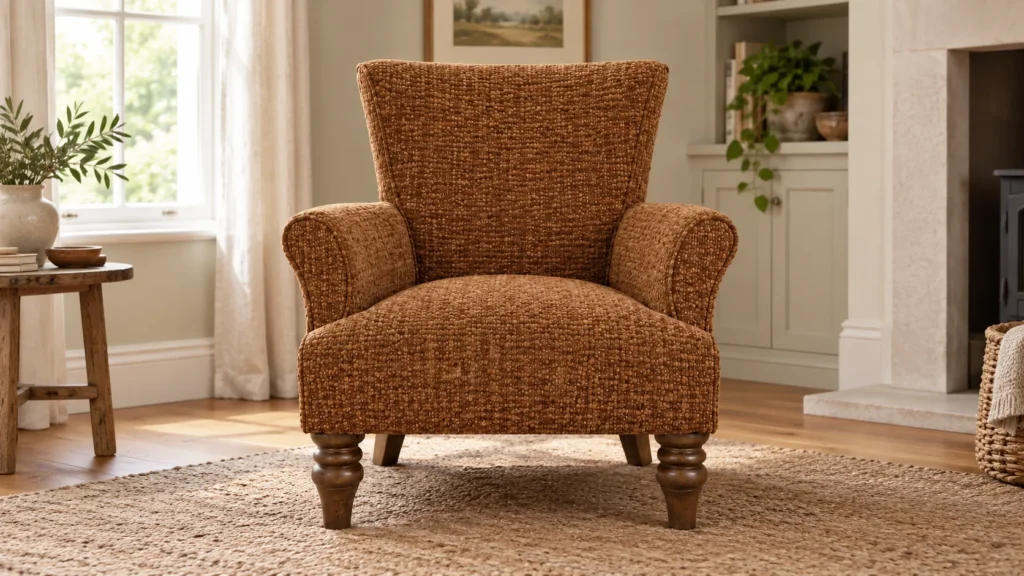
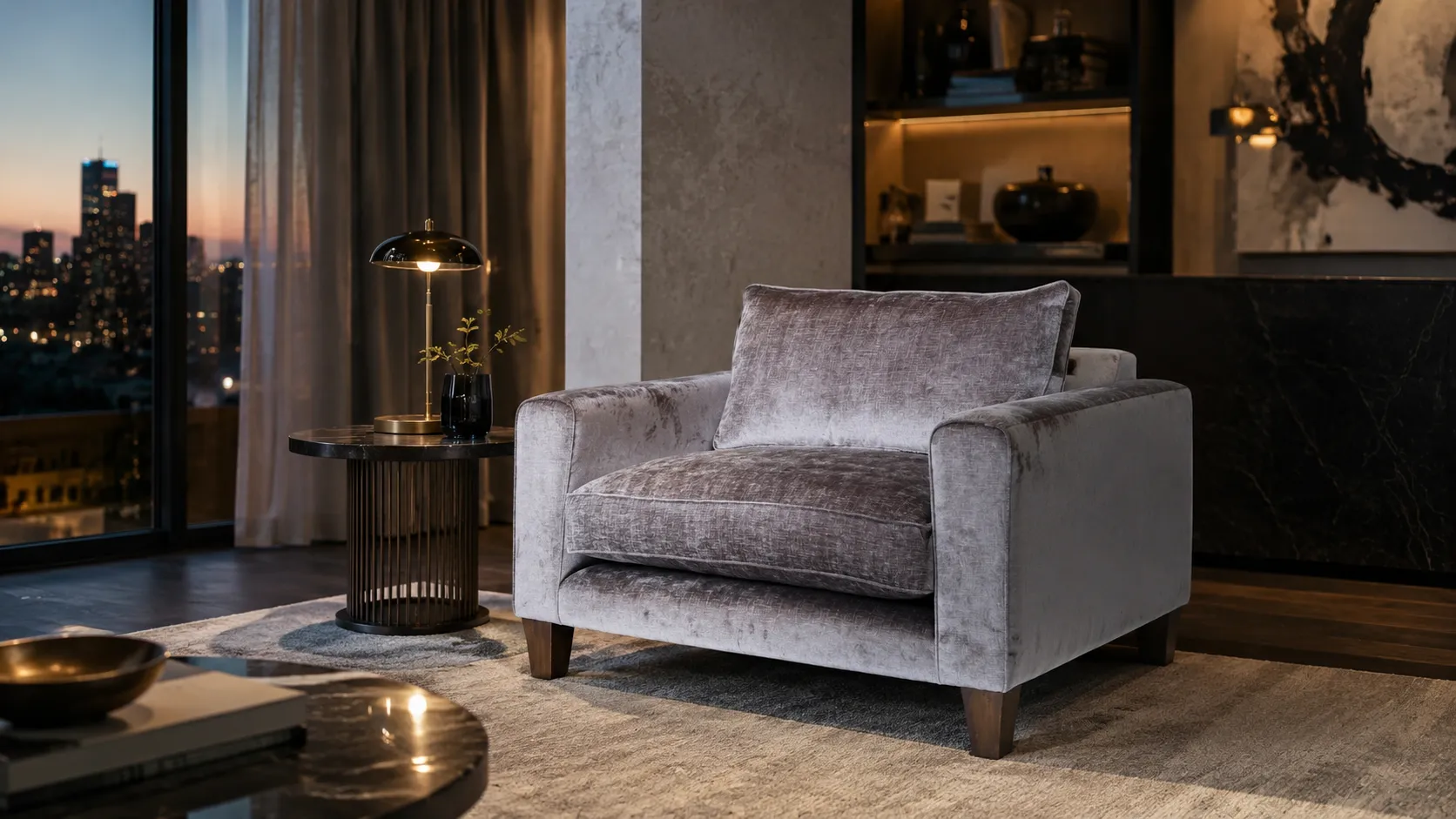
Photographic pieces. Showroom pieces. Individual specifications. Pieces with provenance of their own. Each has already had one chapter. Perhaps the next one belongs in your home.
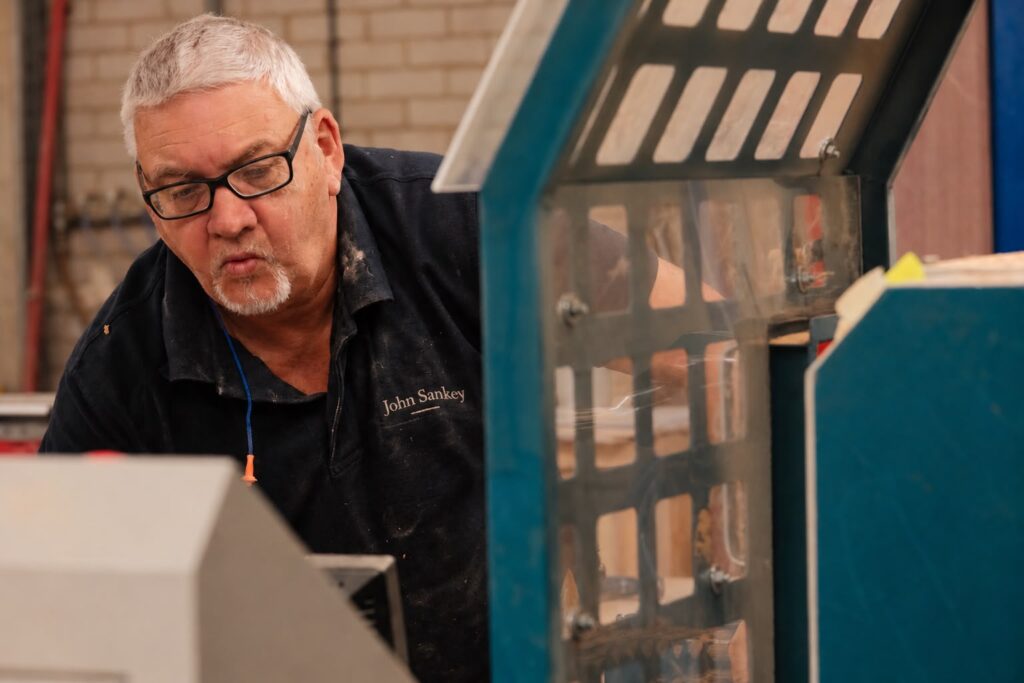
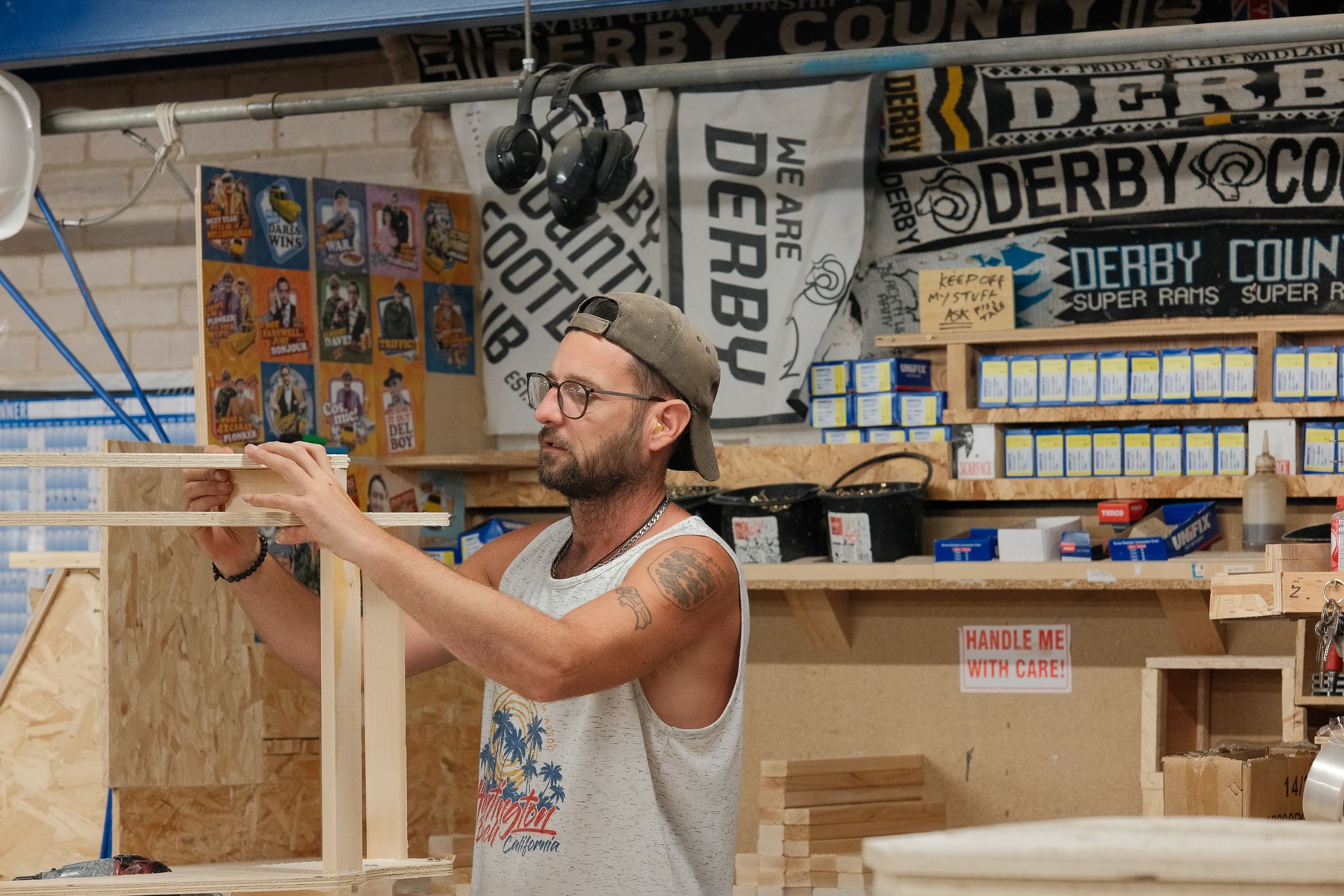
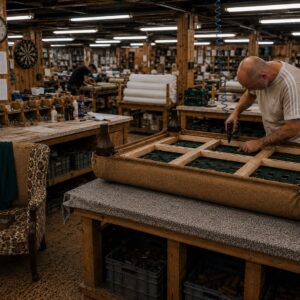
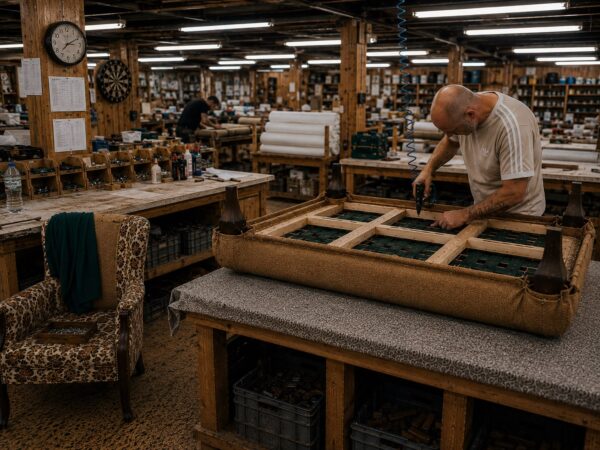
When Scott needs his hammer, he does not look for it. His eyes remain on the furniture while his hand moves towards the familiar place beside the bench.
After twenty-six years, Scott knows its weight before he lifts it. The familiar hammer asks nothing of him. It leaves him free to notice the work.
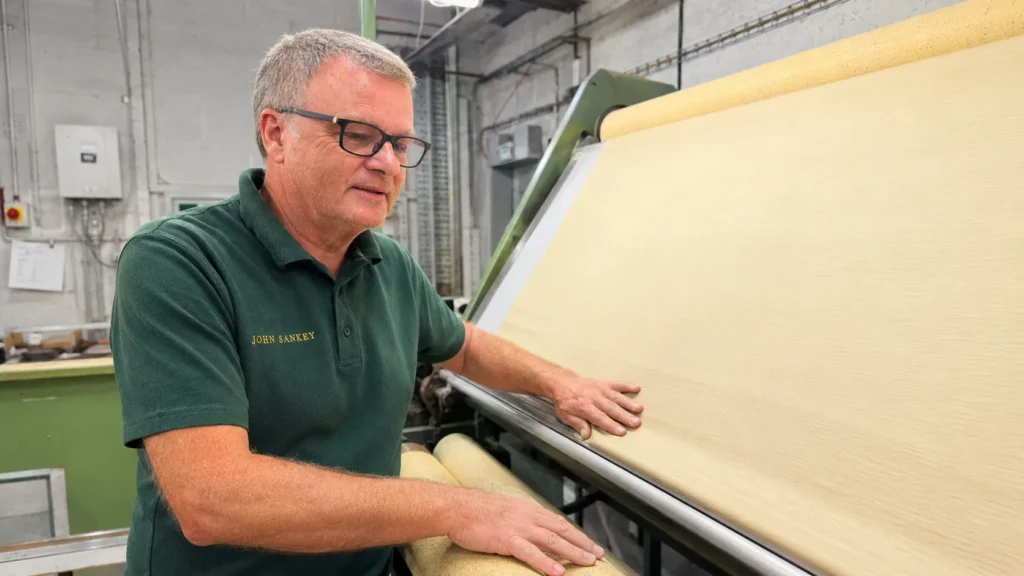
More than twenty years ago, Dave Hemsley could watch five hundred metres of fabric pass beneath his hands without knowing where any of it would go.
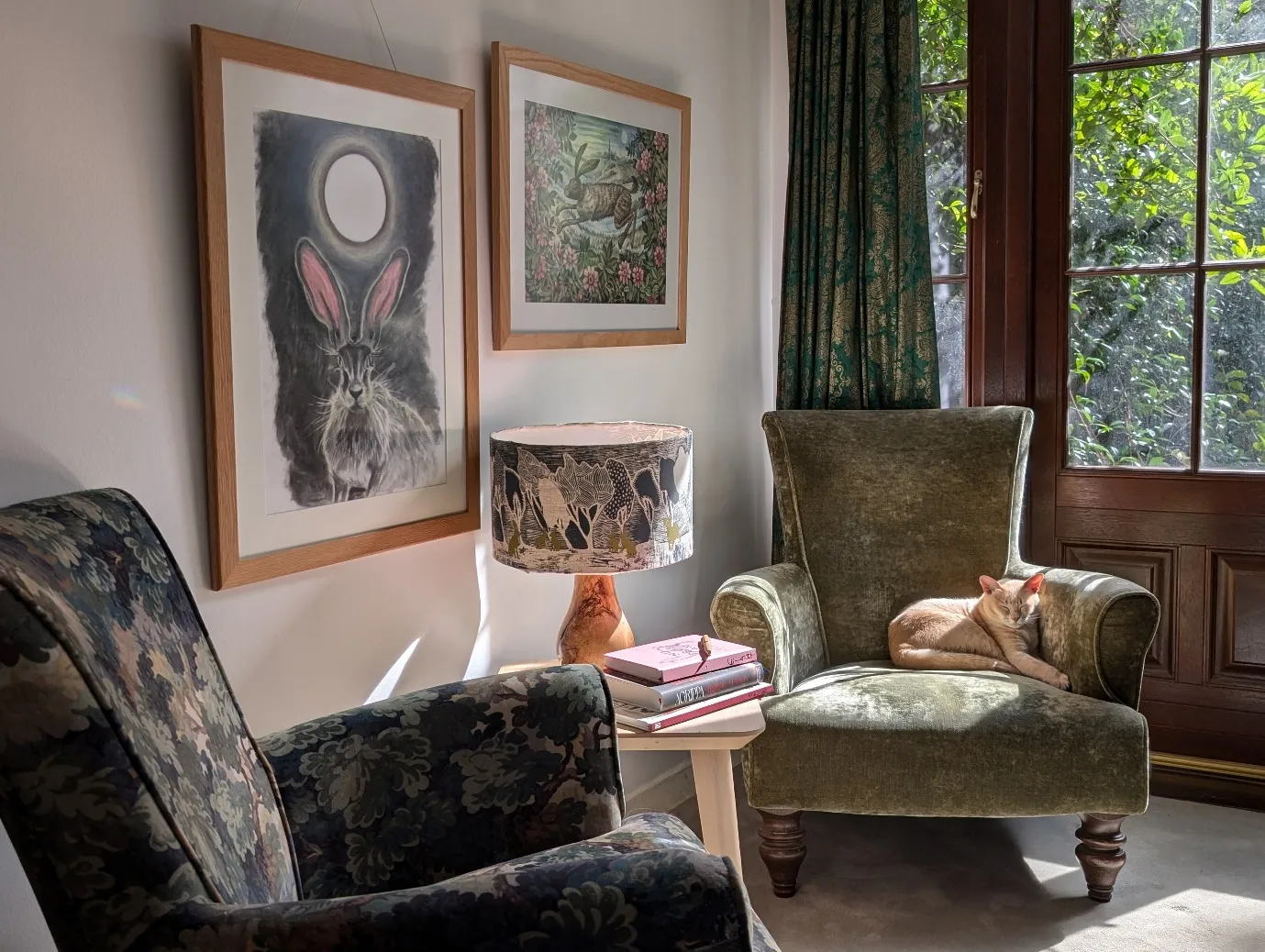
Now he sometimes walks into a customer’s home carrying something new and is taken through another door to see a chair or sofa that has already been there for ten or fifteen years. The customer remembers living with it. Dave remembers the fabric.
For three days in September, people came to Long Eaton to look at furniture. They began with the finished piece. Then the questions became smaller: which way did that fabric need to run? Why had the frame been altered there? What was the maker checking with a hand before continuing?
Nothing had been added to the furniture. One person had simply shown the other where to look. The furniture did not change while anybody was looking at it. What changed was the looking.
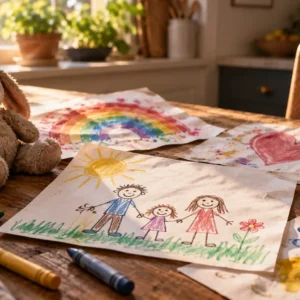
The response changed the competition almost immediately. These were not descriptions of products. They were stories about what happened afterwards.
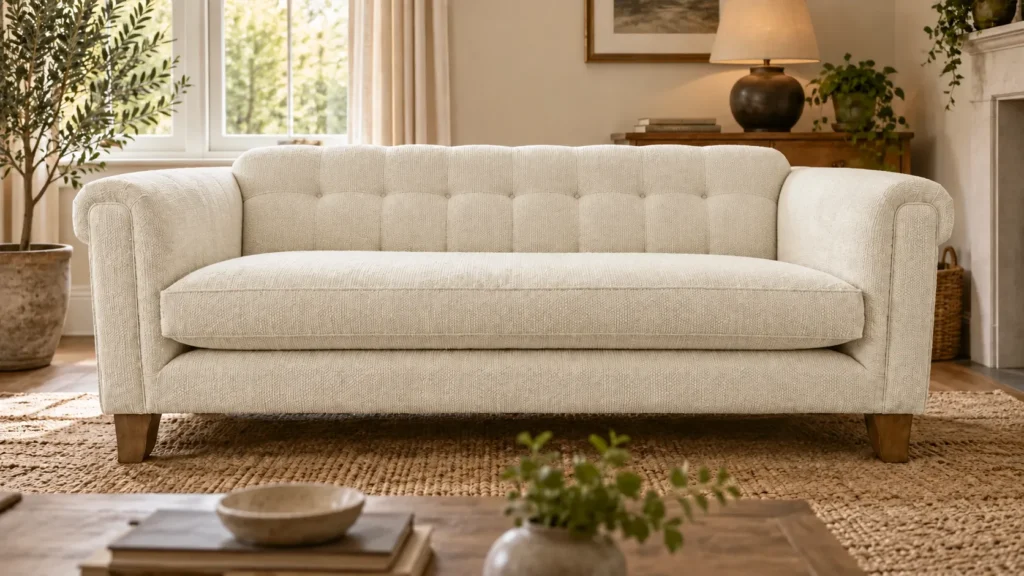
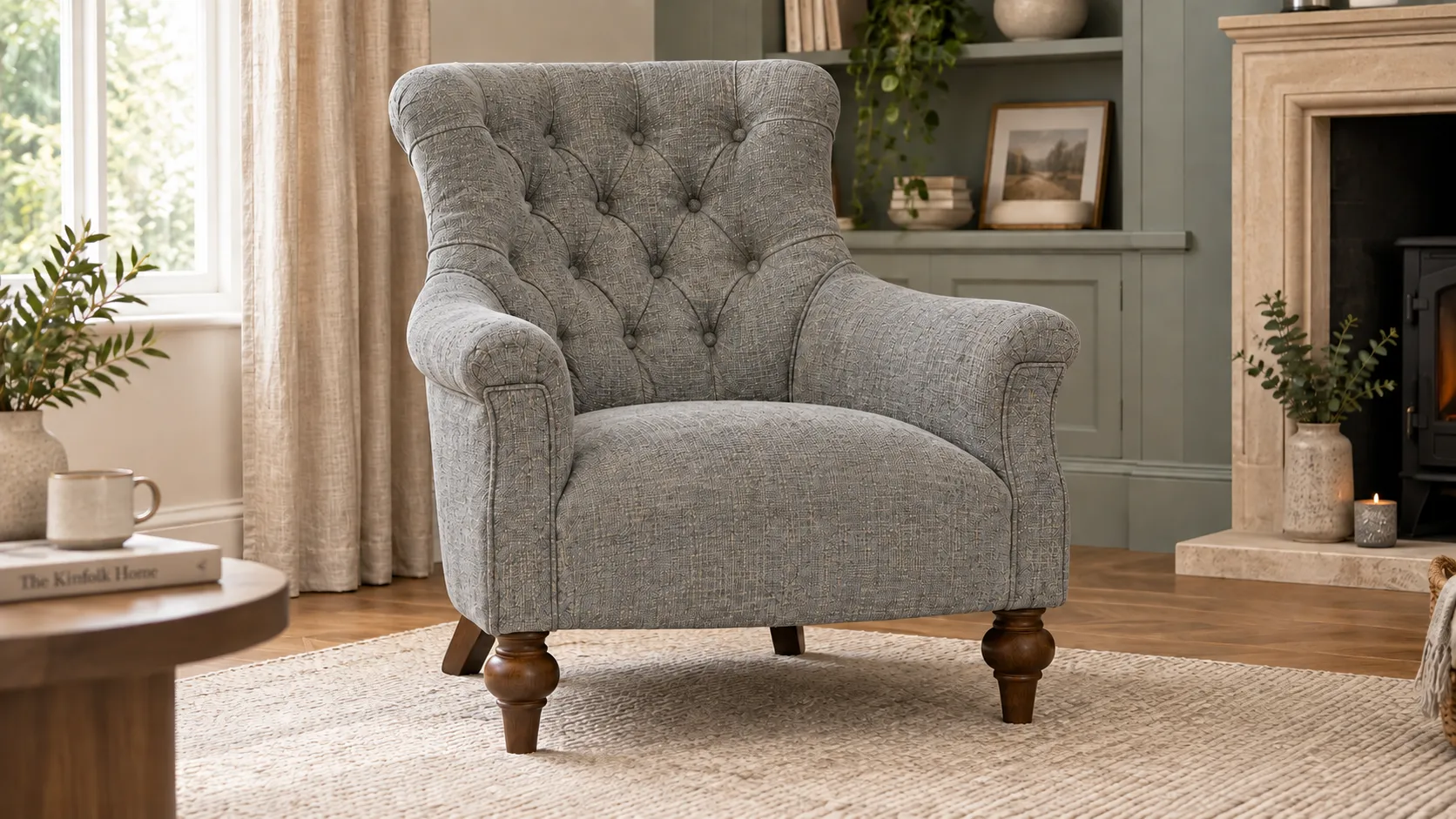
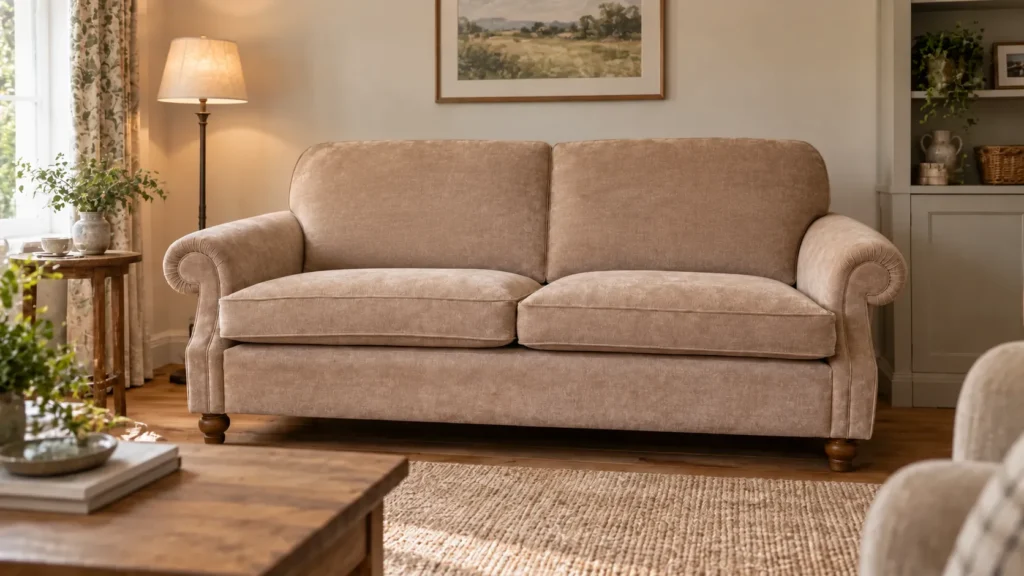
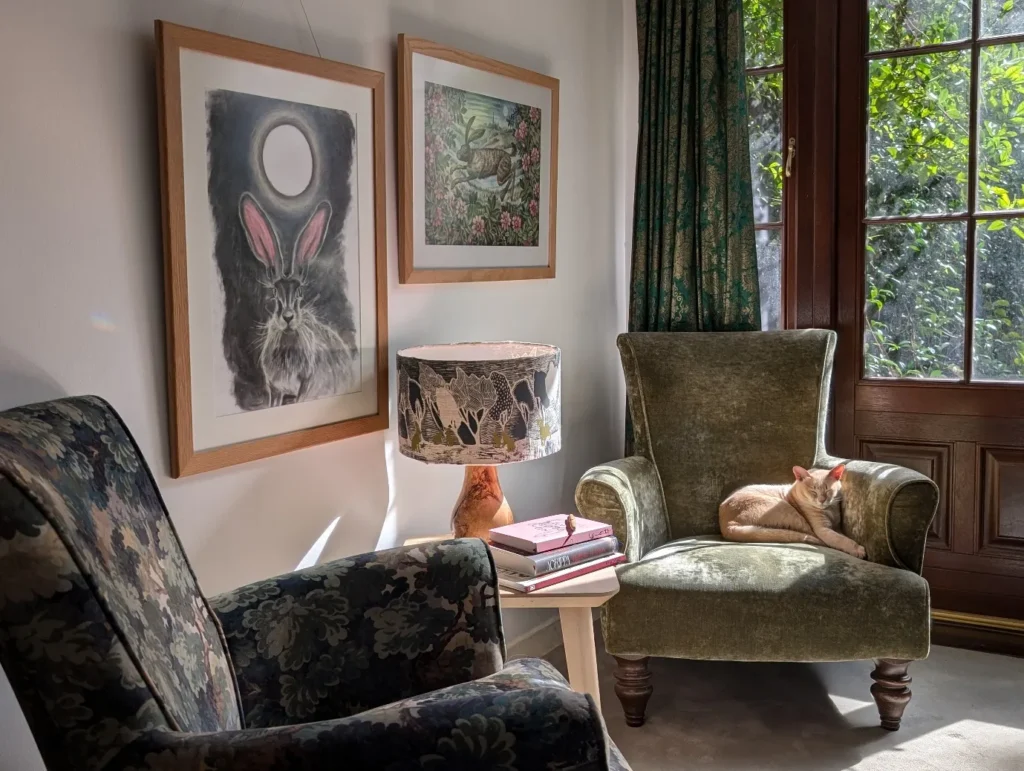
A chair called Alice. A chair the body understands. A sofa for the memories being made now. Three stories, three very different ways furniture becomes part of a life.
Entries remain open throughout Season 03. The winner will be drawn after Issue 21. One story will receive £2,000 to spend on Rare Access pieces of their choice.
In this issue, experience has appeared in different forms. In Long Eaton, it lives in a town that still knows how furniture is made. In the workshop, it lives in the eye, hand and judgement of people who have spent years learning what to notice. In our customers’ homes, it reveals the meaning a piece gathers after it leaves us.
Thank you to everyone who visited us during Long Point and to everyone who has already shared a photograph and story.
If a John Sankey piece has become part of your family’s story, we would love to hear what only you know about it.