Why the things that stay often become the things that matter most.
THE THINGS WE KEEP
There comes a point during almost every clear-out when the easy decisions have already been made. The clothes nobody wears have gone into bags, the broken things have finally been thrown away, and the drawers are beginning to close properly again. Then somebody picks up something that appears to have almost no value at all and puts it back.
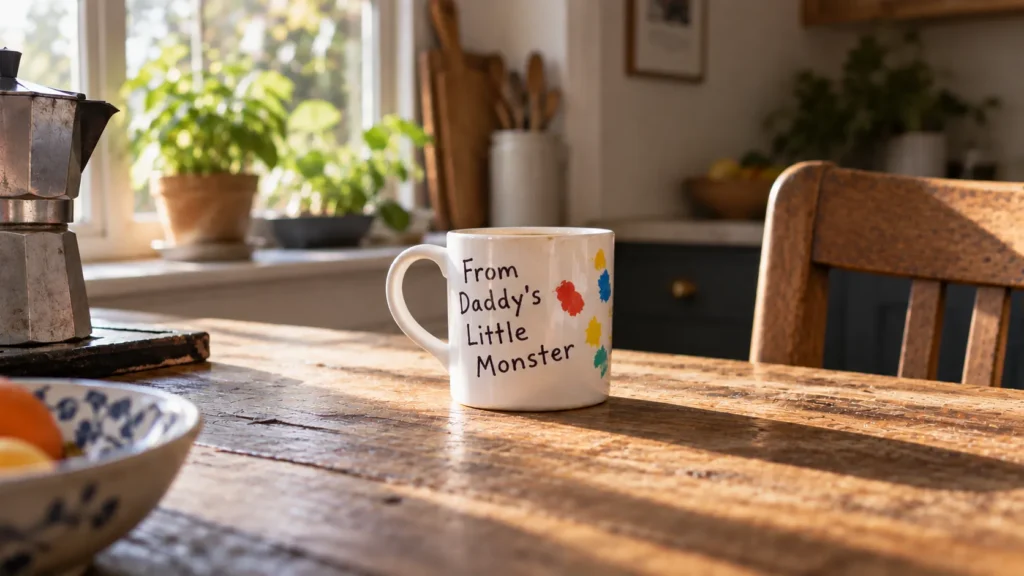
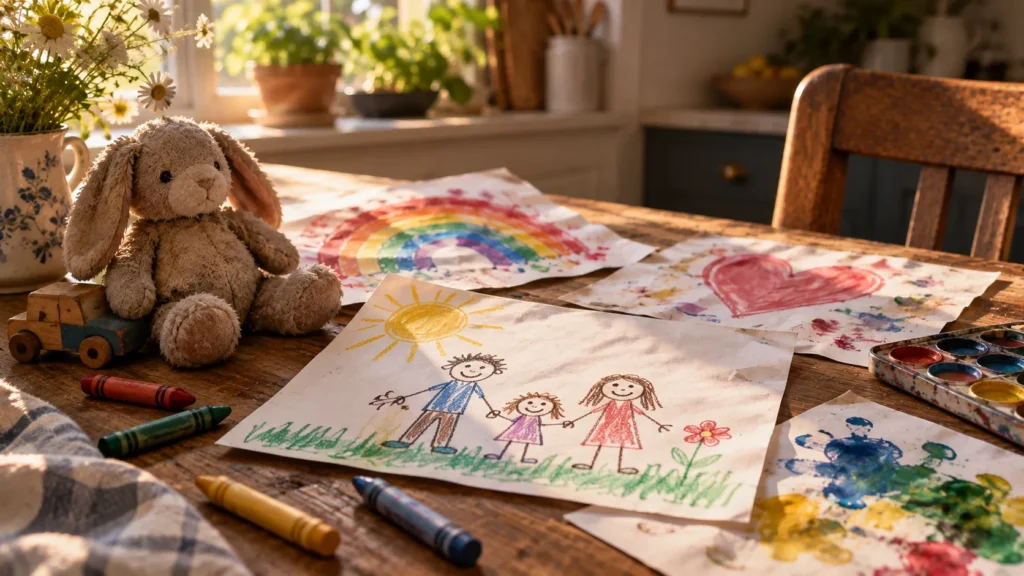
It might be something made by a child years ago, a photograph that has followed the family through several houses, or an object that nobody particularly remembers buying. Its usefulness may have disappeared long ago. That does not seem to help when somebody suggests getting rid of it.
This season began with a question about how homes are made. We have looked at rooms, choices, habits, furniture and the ordinary things people gather around themselves, but much of what eventually matters seems to happen after those decisions have been made. Time begins doing something to the things that remain.
This final issue of The Making of Home is about that process.
WHY WE KEEP SOME THINGS FOREVER
Not everything valuable has a price.
Imagine clearing a house that has belonged to someone in your family for a very long time. Most things can be dealt with surprisingly quickly. There are objects that are useful, objects that can be sold and objects that clearly need to go.
Then you find the thing nobody knows what to do with.
Perhaps it is an old teapot with a repaired handle. There is nothing rare about it, and another one could probably be found without much difficulty. If somebody asked what it was worth, the truthful answer might be very little.
But that is not the question being asked in the room.
Somebody remembers where it used to sit. Somebody else remembers who always used it. A story is told that has probably been told before, and the object is placed to one side while everything else continues around it.
That decision is interesting because nothing about the object itself has changed. Ten minutes earlier it was simply one more thing in a house being cleared. Now throwing it away feels different.
We often describe this as sentimental value, but that phrase can make the process sound simpler than it is. The object has been present while ordinary life accumulated around it. It has survived enough repeated use, conversations, moves, celebrations and changes to become connected to a particular part of somebody’s life.
An identical replacement could reproduce the shape, the colour and perhaps even the small repair to the handle. What it could not reproduce is having been there.
That may explain why some of the least expensive things we own eventually become the hardest to replace.
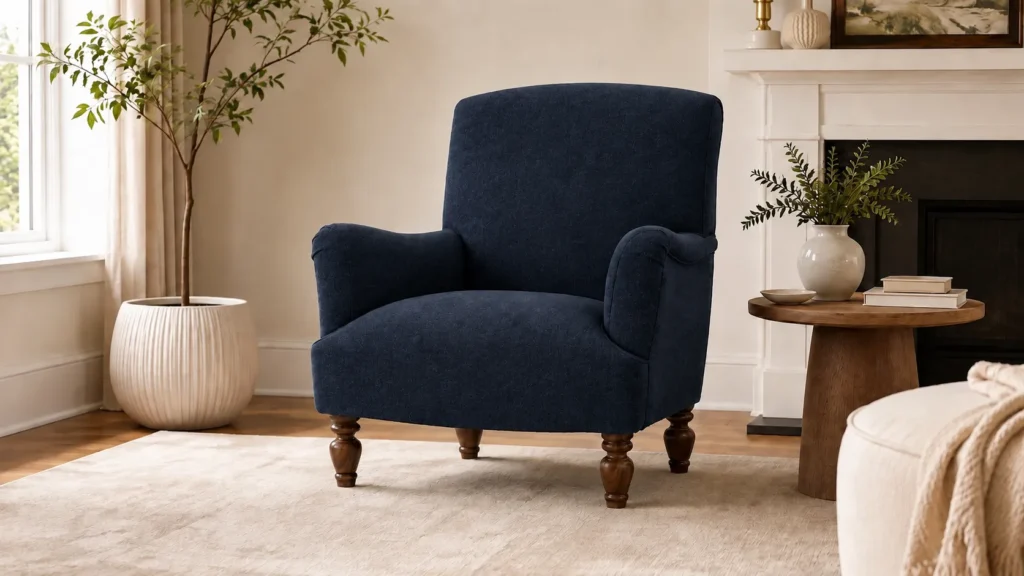
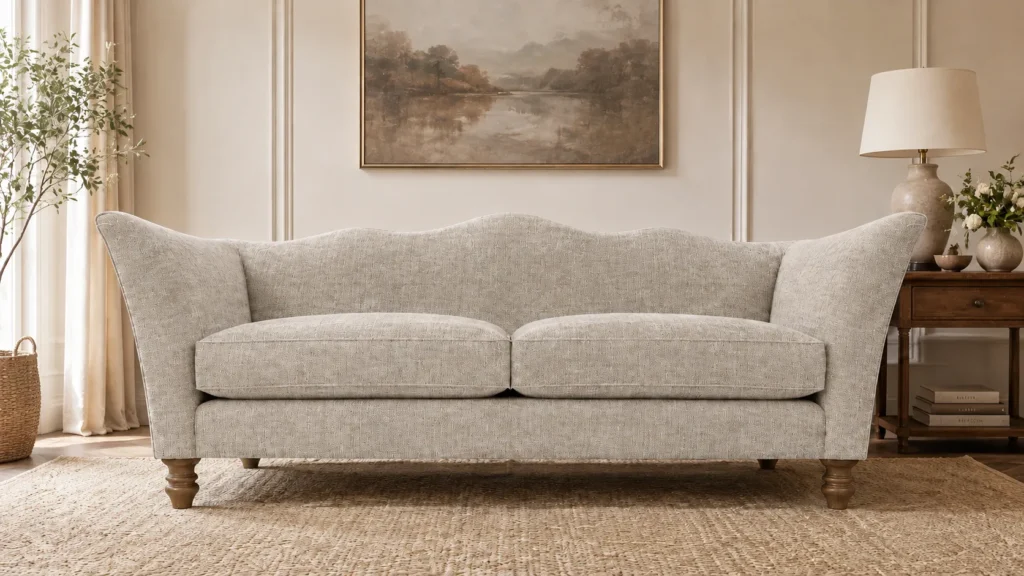
Some Rare Access pieces began life in our showroom. Others were made for photography, exhibitions or to introduce a design to our retail partners. They may not have reached somebody’s home yet, but they have already had a first chapter.
Some things a company knows have never been written down.
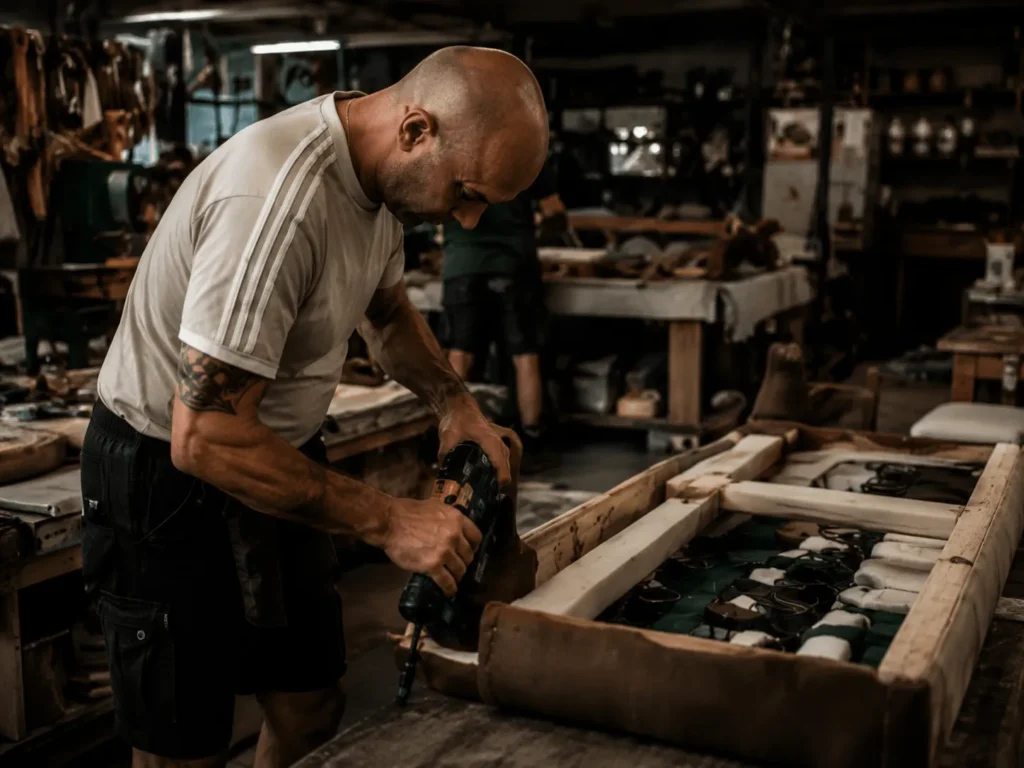
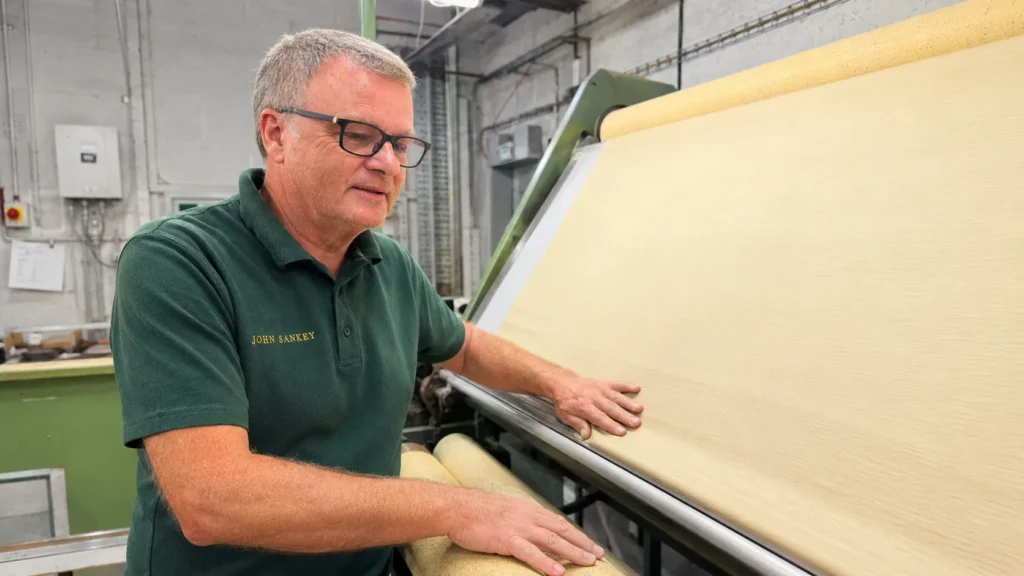
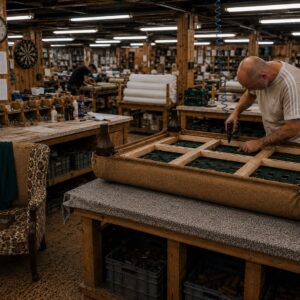
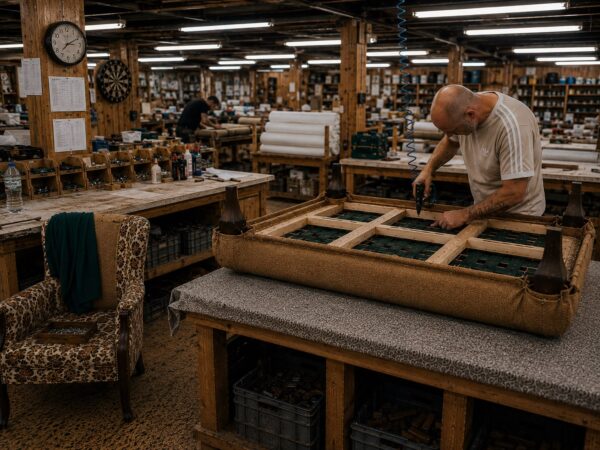
Scott Bell still has a hammer from his first years at John Sankey. It is not displayed anywhere special, and there is nothing particularly unusual about it. It is simply one of the tools that has remained while a great deal around it has changed. Watch Scott work, and the more interesting things are often difficult to write into an instruction. He checks an edge with his hand, notices tension before it becomes obvious from the front and sometimes starts something again when another person might reasonably have considered it finished. After enough years, some decisions seem to arrive before the explanation for them does. That is one kind of memory inside a company. Konrad remembers something different. Ask about an old model, and the answer may begin with the piece itself, then move towards the person who drew it, the retailer who first showed it or the reason a particular decision was made. Catalogues can preserve the name and photograph, but they cannot always preserve the circumstances around it. Some of those circumstances are still carried by the people who were there.
Dave encounters the furniture at the other end of its journey. By the time he sees it, the frame has disappeared beneath upholstery and the piece has left the factory. What he remembers are homes, customers, awkward staircases, difficult doorways and the occasional piece he sees again many years after first delivering it.
The factory remembers how something was made. Dave sometimes remembers where it went.
Put those three kinds of knowledge beside one another and the company archive begins to look slightly different. There are drawings, photographs, catalogues and old pieces of furniture, but there is also knowledge that has never needed to be formally recorded because somebody has always known it.
For the moment, many of those people are still here.