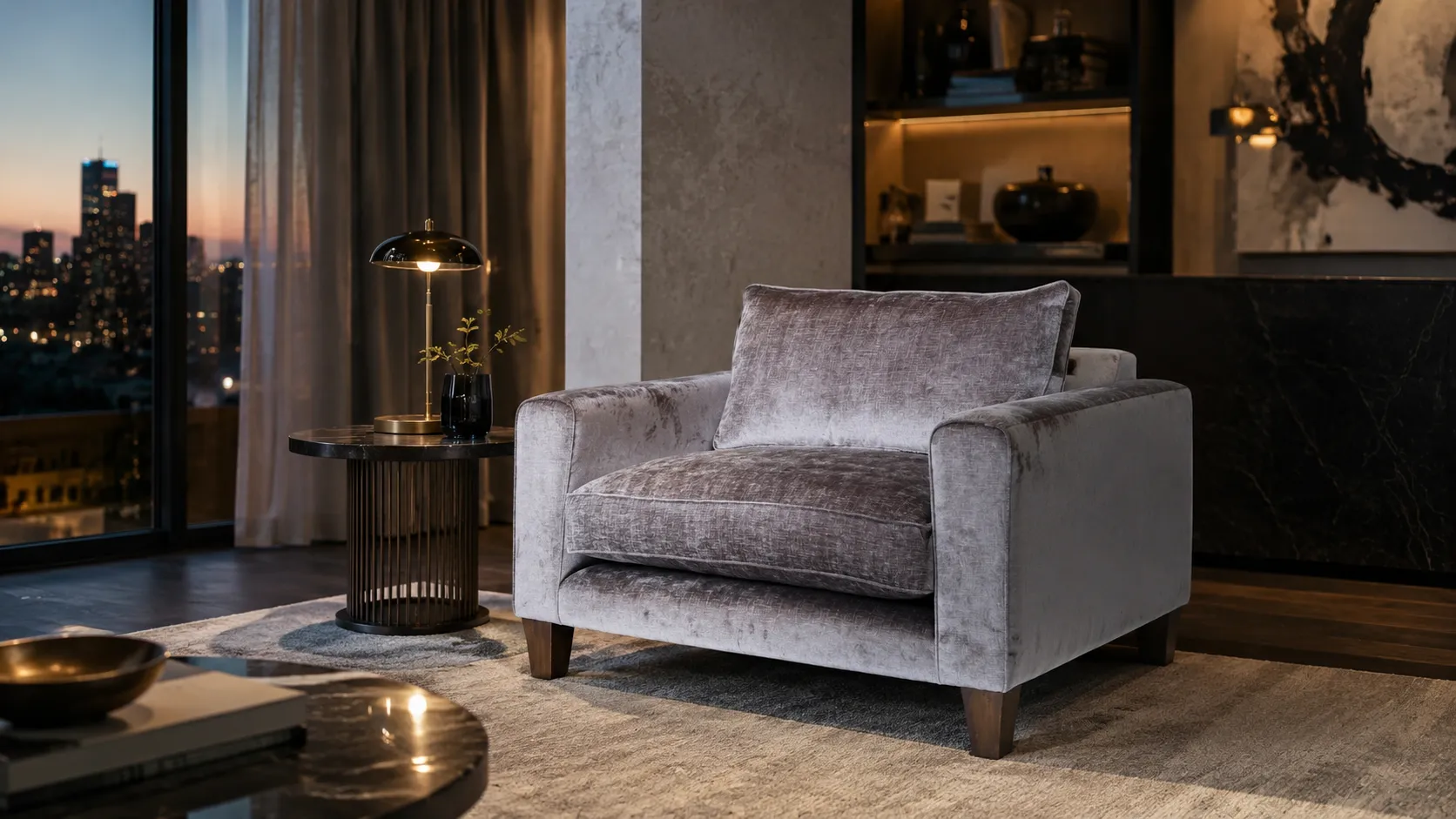
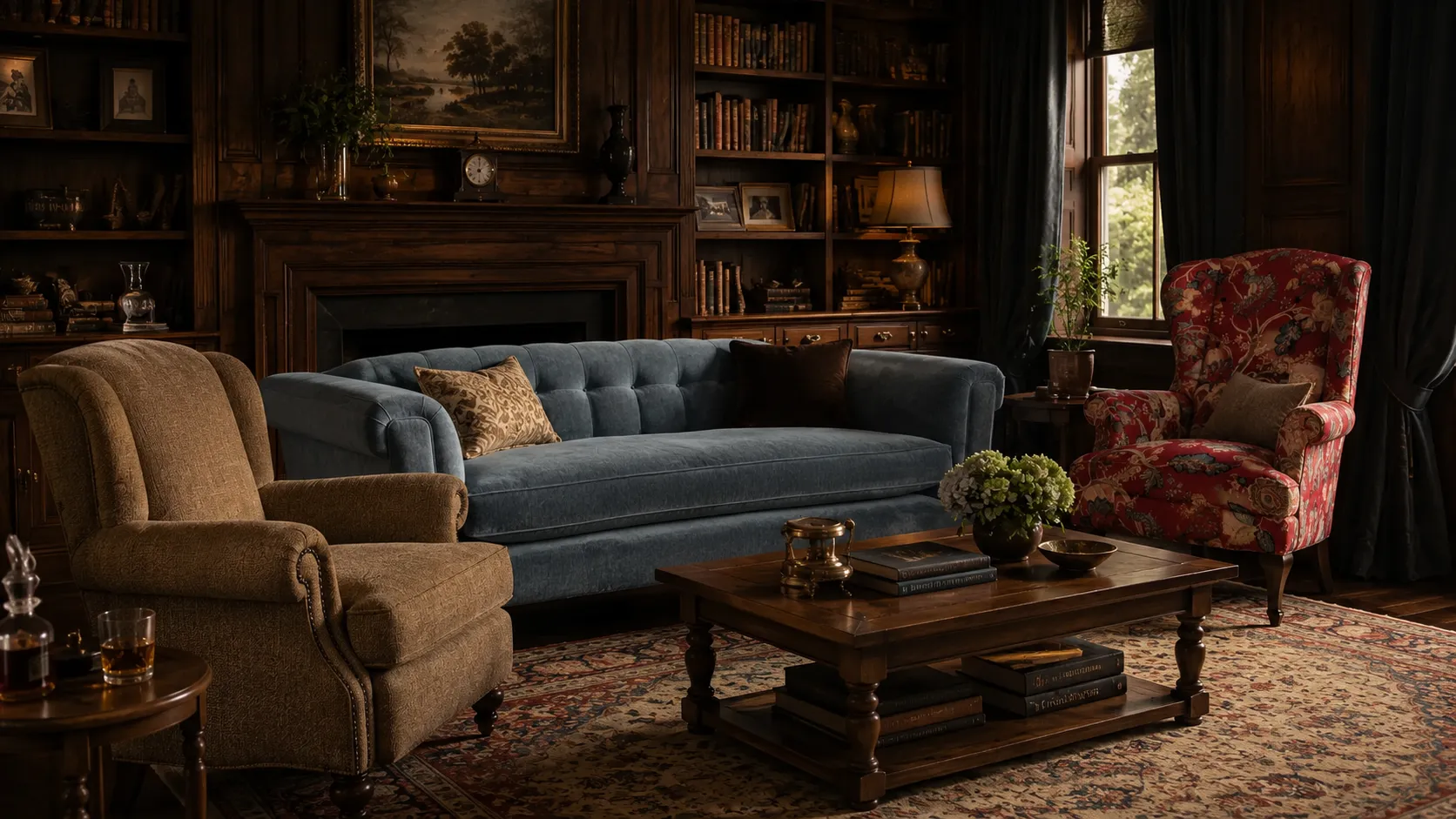
What happens when finished furniture leads people back to the place, people and decisions that made it.
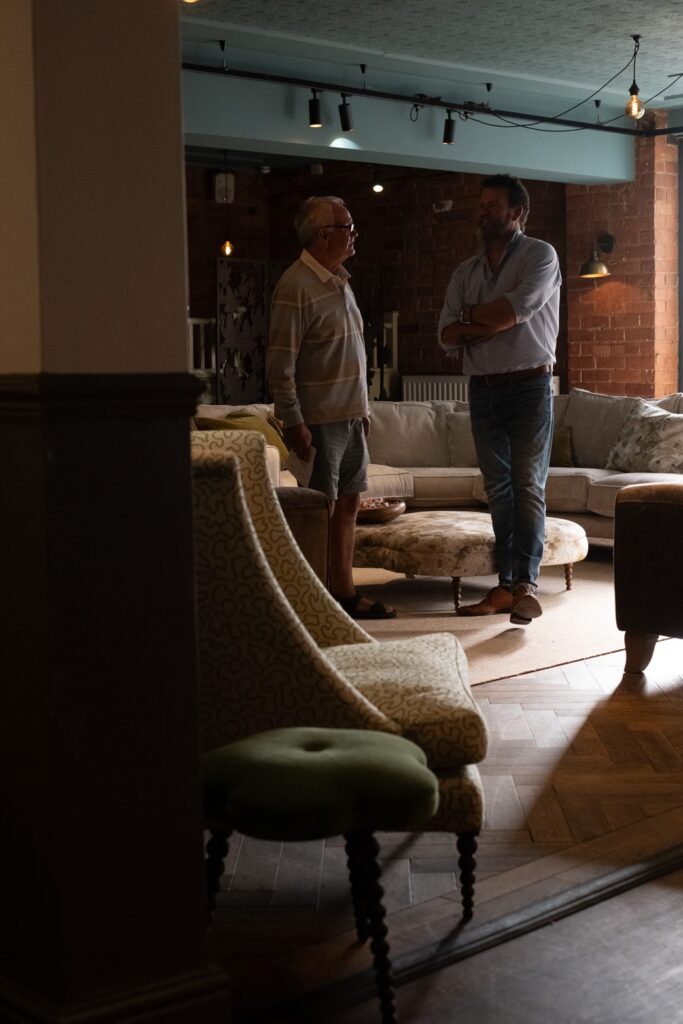
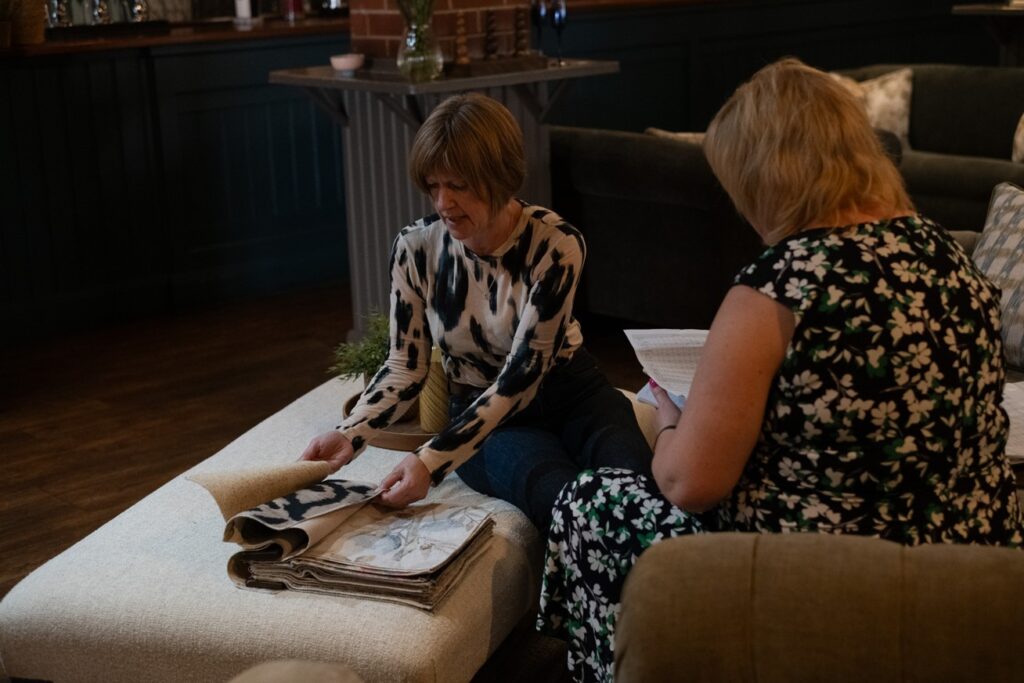
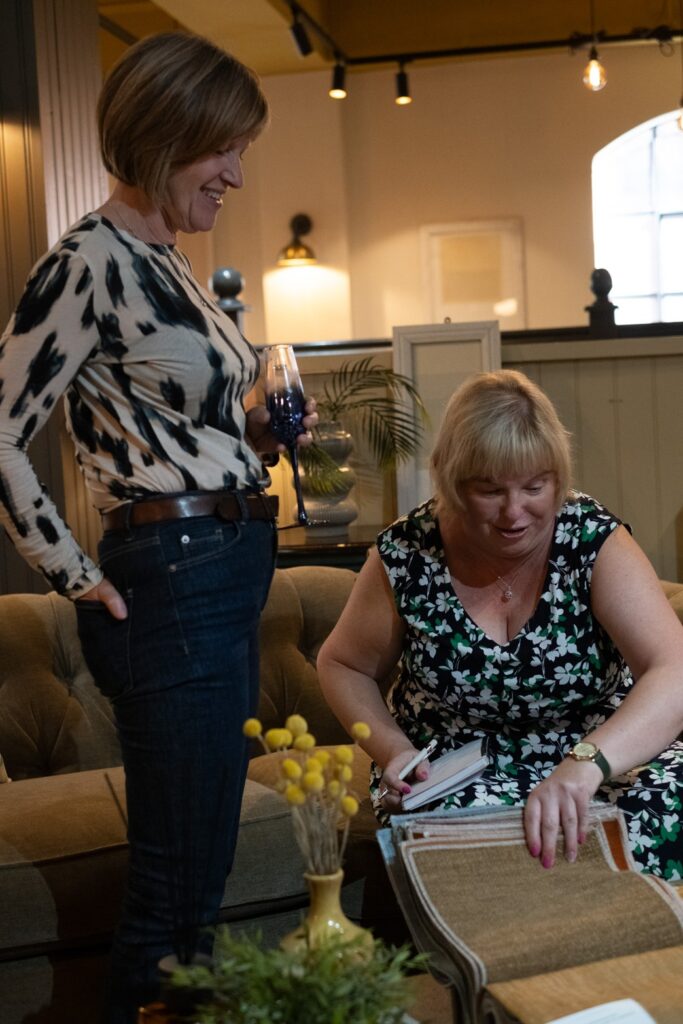
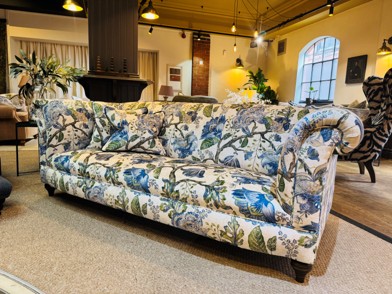
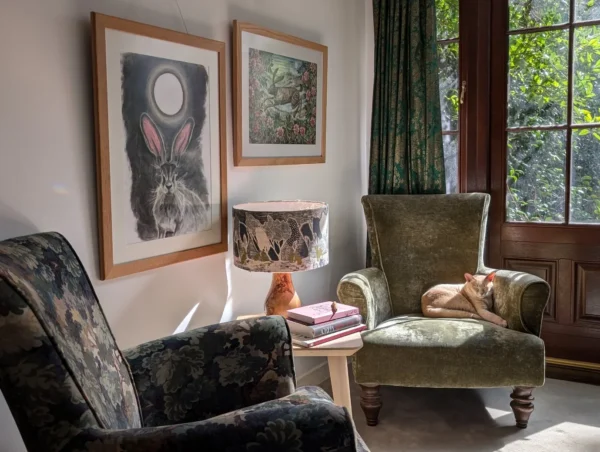
For three days in September, people came to Long Eaton to look at furniture. In the showroom, that began in the usual way: somebody sat down, another person stood back to look, and a hand moved across a fabric that had already been chosen, cut, stretched and finished before they arrived. Then someone asked why one seat felt different from another, or what sat underneath the part they could see. The answer was not always in the showroom.
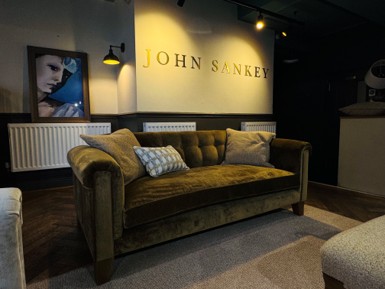
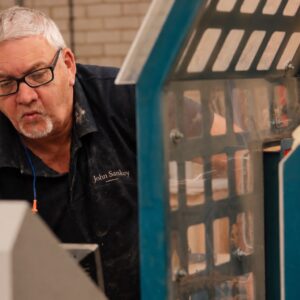
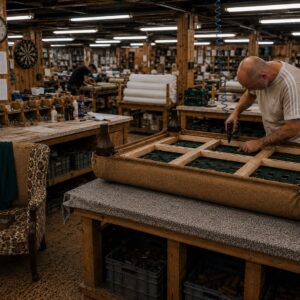
Long Point makes that question unusually easy to follow. The show does not take place in a distant exhibition hall where the finished pieces have travelled farther than the people who made them. It happens in Long Eaton, among the showrooms and factories where upholstery is still part of an ordinary working day. At John Sankey, a visitor could leave a completed sofa behind, walk through another door and find the work that normally disappears inside it.
The change was easiest to see in the questions. At first, people asked about the finished piece: how it sat, which fabric it wore, whether one version felt different from another. Further inside, the questions became smaller. Which way did that fabric need to run? Why had the frame been altered there? What was the maker checking with a hand before continuing? A detail that would have vanished inside the finished furniture had become the thing everyone was looking at.
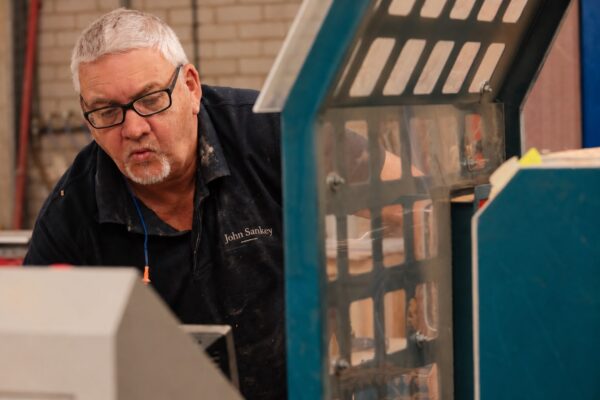
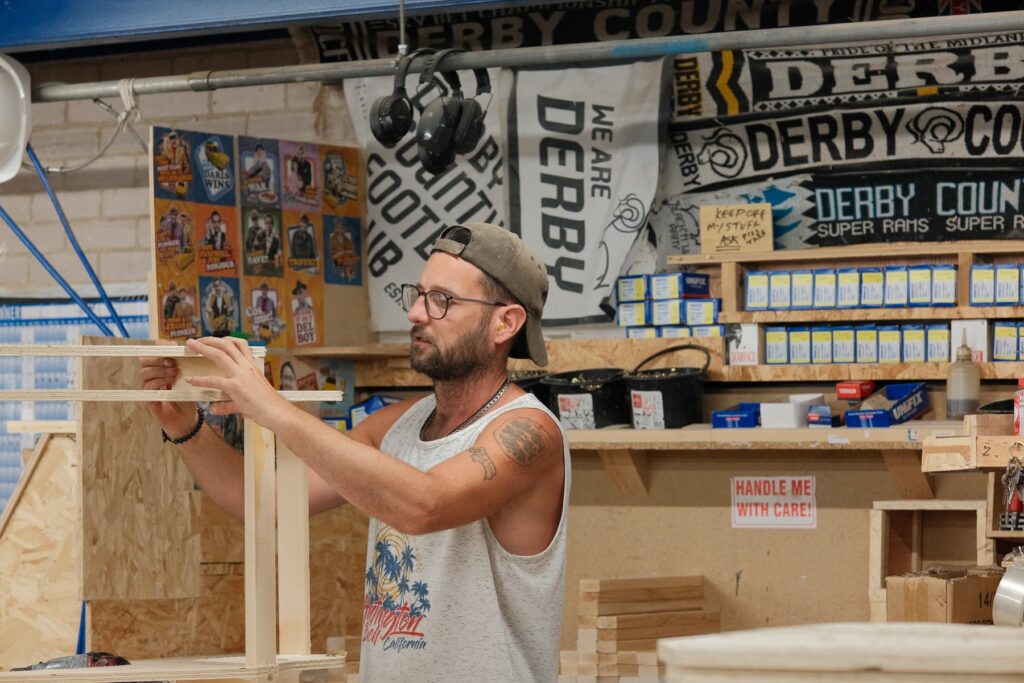
The people answering those questions did not need to make much of them. Someone who has spent years working with fabric notices its pull before it becomes a problem. A frame can move by an amount most of us would overlook and still change what happens later. A seat can look almost identical to another and receive the body differently. The experienced eye is not necessarily looking harder; it has simply learned where to stop.
That became apparent whenever a visitor followed a hand. Someone would point to an edge, a frame or the way material was behaving, and another person would lean closer. For a few seconds both were looking at exactly the same thing. Nothing had been added to the furniture. One person had simply shown the other where to look.
There is another reason this works particularly well in Long Eaton. The town does not have to recreate a furniture-making past for visitors because the work is still happening around them. John Sankey was established here in 1953, but the more useful evidence is not the date on a document. It is the fact that people still arrive in the morning, switch on the lights and continue making furniture in the same town.
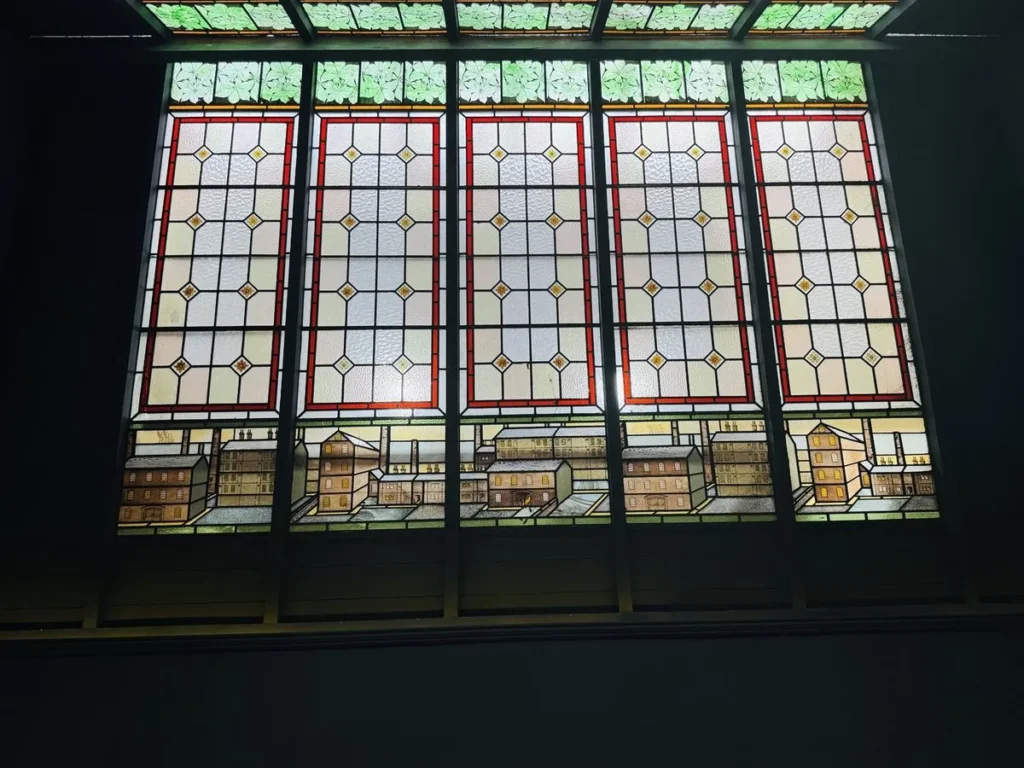
Above the showroom is a stained-glass window depicting some of the mill buildings associated with Long Eaton's industrial past. It is easy to look at it as history, particularly when the light catches the coloured glass. During Long Point, the view beneath it was more interesting. People were sitting on newly finished furniture, while, not far away, other pieces were still frames, fabric and work in progress. The old buildings remained in the glass. The work below them had not stopped.
By the second or third conversation, visitors were beginning to look differently without necessarily saying so. Someone who had first tested a seat for comfort might later ask what had changed inside it. A person who had begun with colour could find themselves watching how fabric moved around a corner. The questions had become more precise because there was now something specific to notice.
The same thing happened to us. We went into the September show wondering what a good Long Point would look like, and some of the obvious measures still mattered. By Wednesday afternoon, though, the useful moments were often much smaller: the person who stayed after a question had been answered, the visitor who wanted to see the factory, the conversation that moved from a finished piece to why it had been made in that particular way. Those moments told us more about attention than a room full of people ever could.
Then came the return to the showroom. The sofas had not moved very far while everyone was away. The fabrics were the same, the proportions were the same and the seat that had started the conversation still looked much as it had earlier. Yet the eye now had somewhere else to go. A hand might press the seat again or follow an edge that had previously seemed unremarkable, because somebody had explained what was happening underneath it.
For three days, Long Point made that second look possible. People could begin with the finished furniture, follow a question back towards the people and decisions behind it, and then return to where they had started. The furniture did not change while anybody was looking at it. What changed was the looking.