Why the places that stay with us are rarely the most perfect.
Think of a home you knew really well. Perhaps it was the house you grew up in, your grandparents’ house, or a friend’s house you spent half your childhood wandering in and out of.
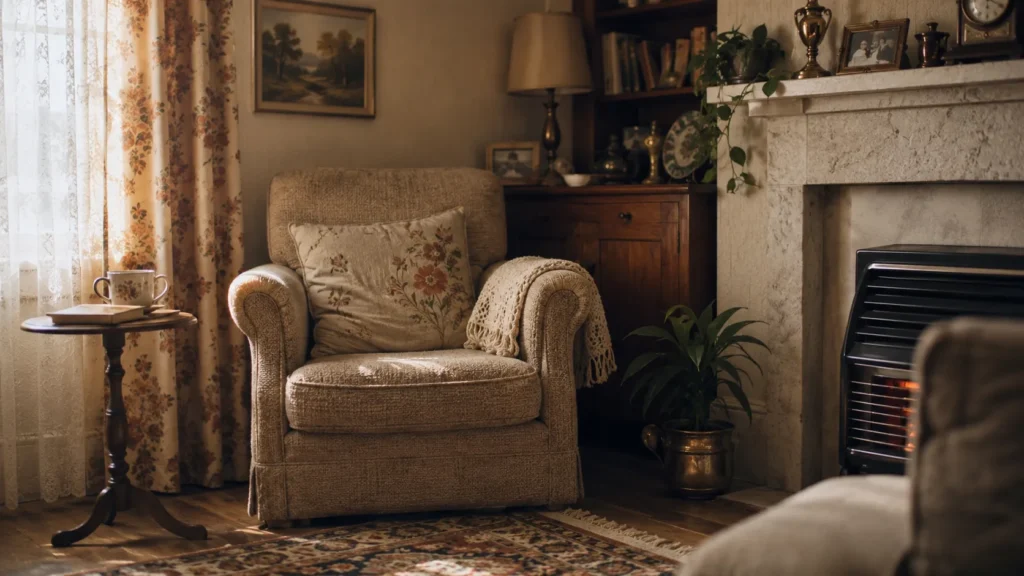
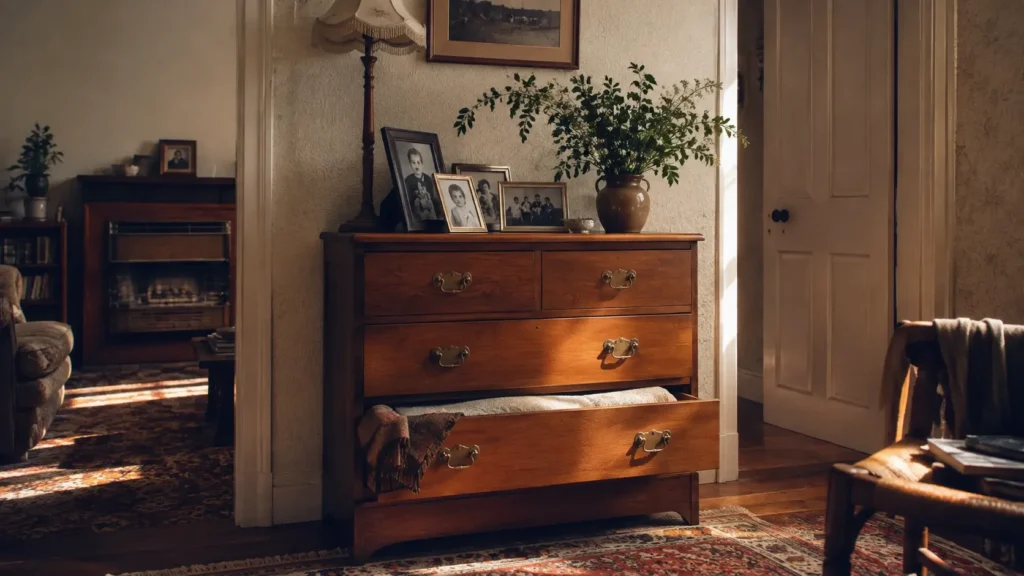
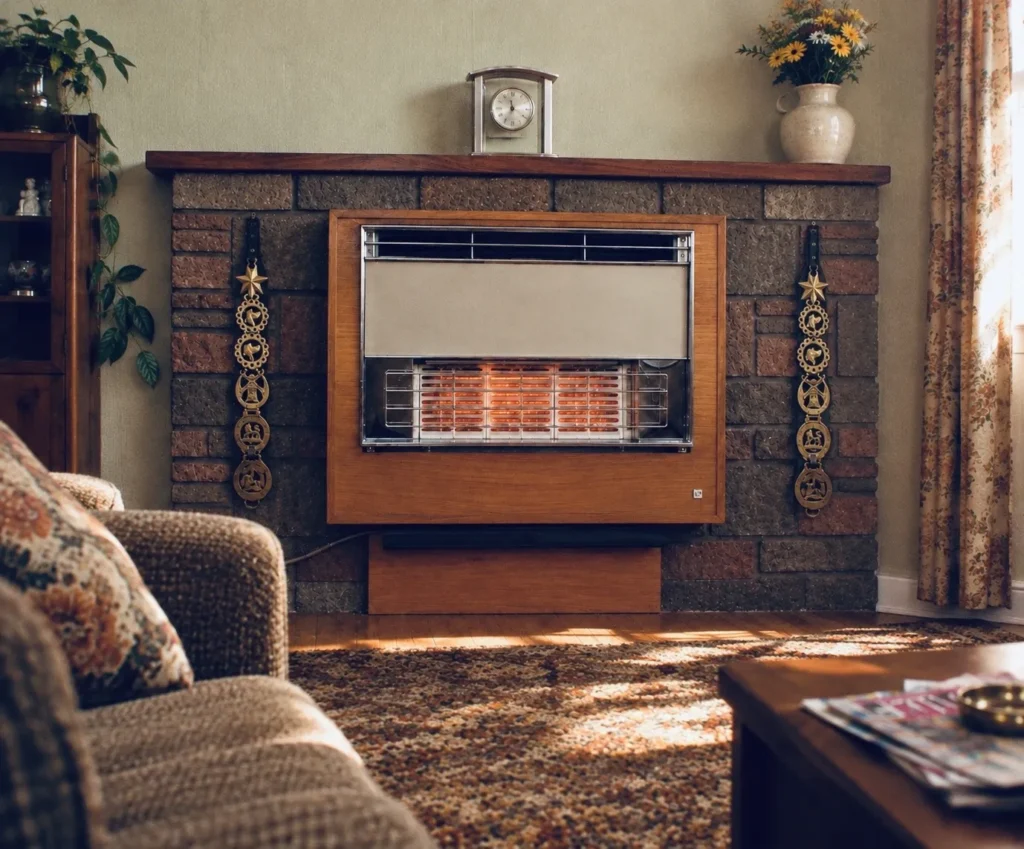
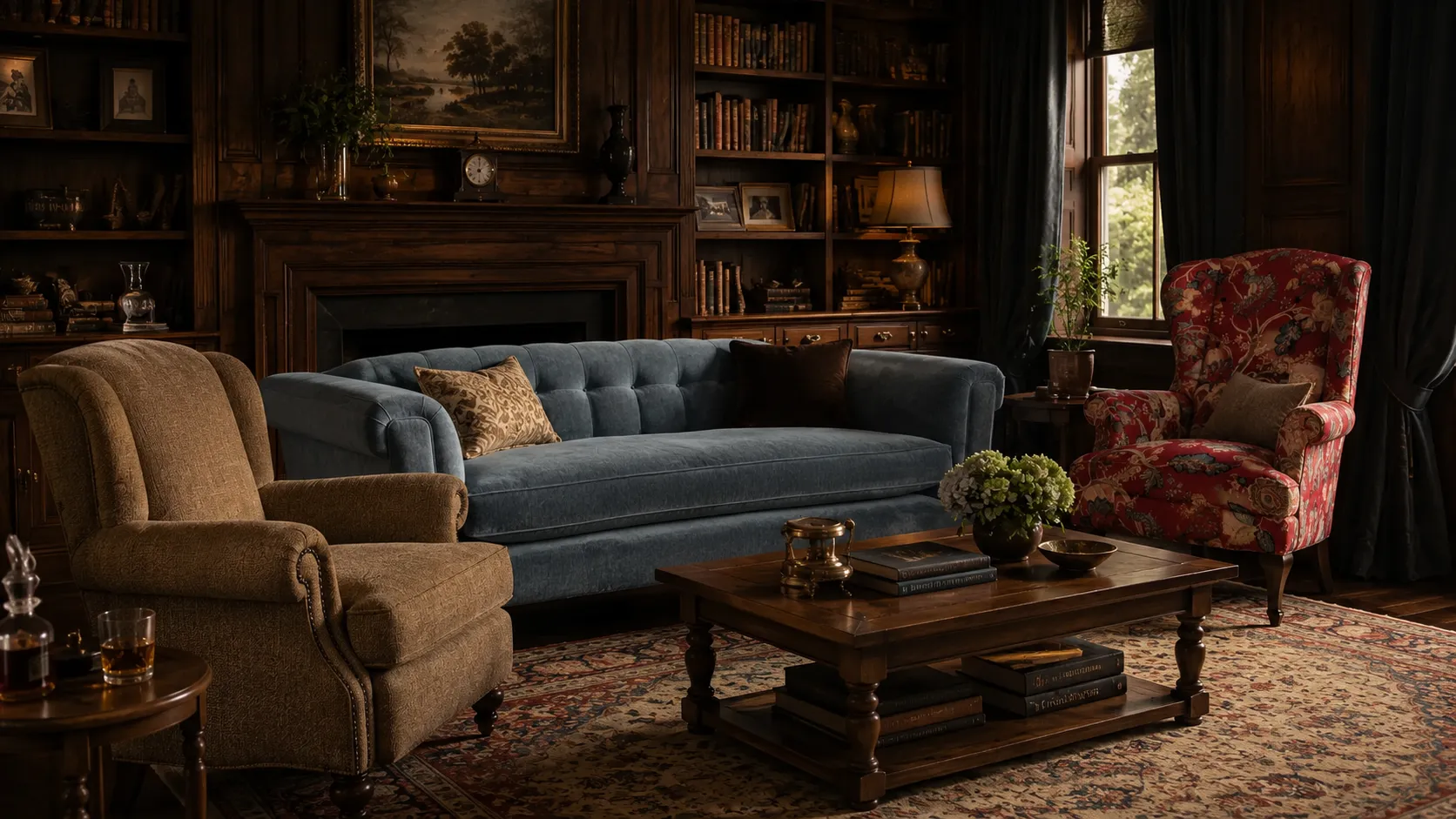
Try to picture it now and notice what comes back first. Perhaps there was a drawer that always stuck, and everybody knew you had to lift it slightly before pulling. Or those awful horse brasses hanging beside the gas fire.
There were probably other things you cannot remember at all. Ask yourself about the curtains, the colour of the carpet or what was hanging on the opposite wall and there may be almost nothing. You may have spent thousands of hours in that room and still be completely unable to reconstruct it.
A photograph gives equal importance to everything. Memory doesn’t.
Memory edits, and what it chooses to keep is often remarkably particular. Not necessarily the beautiful things, the valuable things or even the things anybody thought were important at the time. Quite often, it keeps the things that could only really have belonged there.
Perhaps the strangest part is how little memory sometimes needs.
One ordinary detail can survive almost on its own for years. Then somebody mentions it - the gas fire, the horse brasses, the thing that was always in the hallway - and other parts of the room begin returning with it. Where things were. Who sat where. Things you had not realised you remembered until something gave you a way back in.
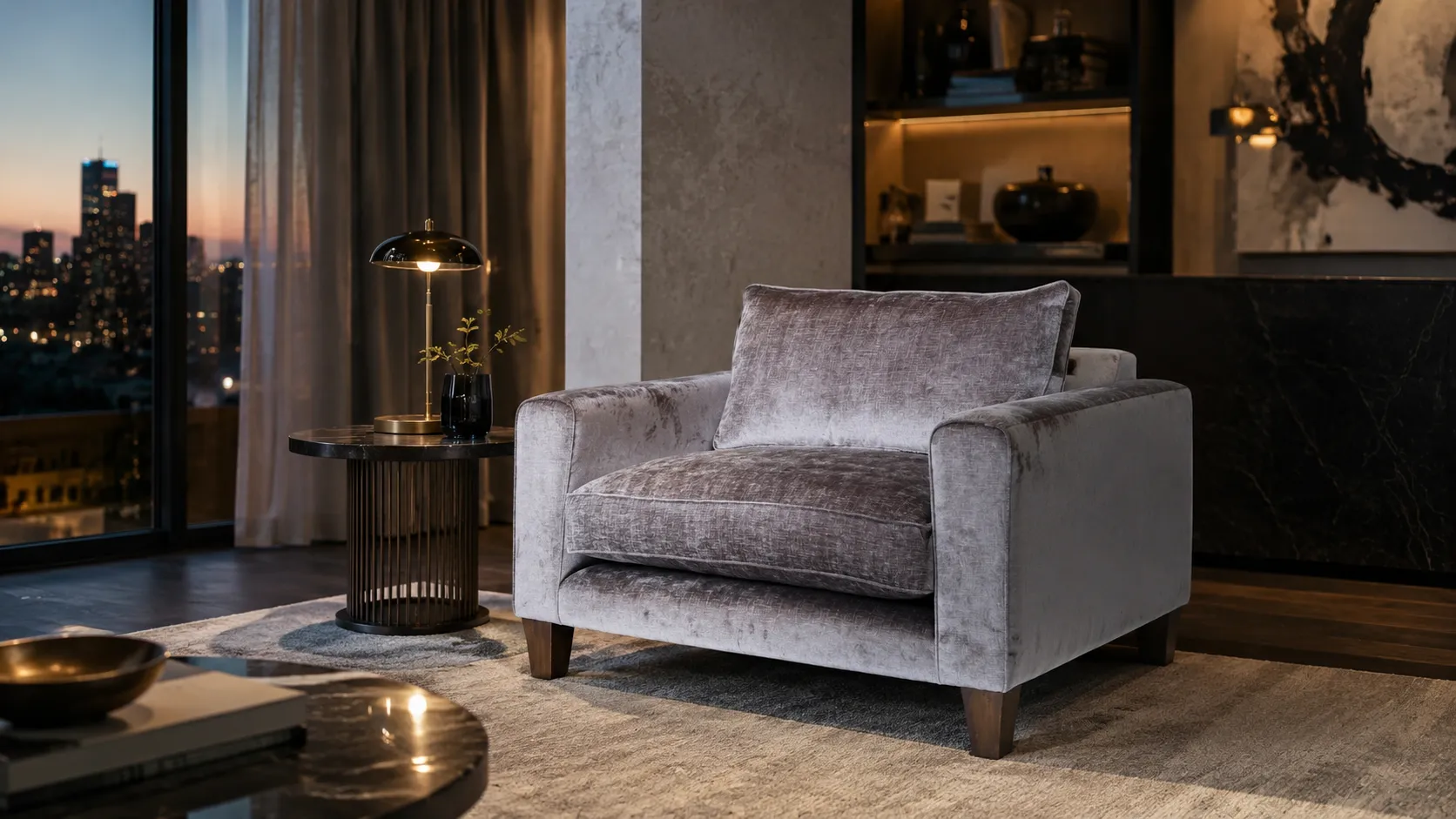
Perhaps this is why some beautifully designed rooms can leave us with almost nothing afterwards. We remember admiring them, yet six months later struggle to summon a single detail. Meanwhile, a room we haven’t entered for thirty years can remain astonishingly vivid through a handful of things that seemed completely unimportant at the time.
There is an important distinction here, because this isn’t an argument for imperfection.
A broken drawer is still a broken drawer, and a home does not acquire character simply by filling it with peculiar objects. Oddness can be manufactured just as easily as perfection can.
What seems to matter is something quieter: particularity. It is the gradual accumulation of things, arrangements and habits that make complete sense in one place and almost nowhere else. Often the people living amongst them barely notice them anymore because, to them, there is nothing unusual to notice.
A perfectly resolved room can, in theory, be reproduced.
The same colours can be chosen, the same furniture bought and the same pictures hung. But the peculiar collection of relationships that develops between particular people and a particular place is much harder to copy because nobody can simply design it into existence.
It has to happen over time.
The details that make a home impossible to reproduce are often the details that make it impossible to forget.
So think again about the home you pictured at the beginning. Don’t try too hard to reconstruct the whole room; just wait and see what returns. There will often be some small, apparently unimportant detail that has survived while far grander things have disappeared.
And when it appears, you may find the rest of the room beginning to come back with it.