Why some things belong simply because they matter to someone else.
There is probably something in your home that you would never have bought. Not something you actively hate, necessarily. This is more complicated than that. It is something you have looked at hundreds of times and still cannot quite understand what the other person sees in it.
Perhaps it is a picture, an ornament or a chair that has somehow survived several perfectly reasonable opportunities to replace it. Perhaps it is a collection that began innocently enough with one or two and has since expanded into areas of the house nobody remembers agreeing to. Ask who loves it and the answer usually comes very quickly.
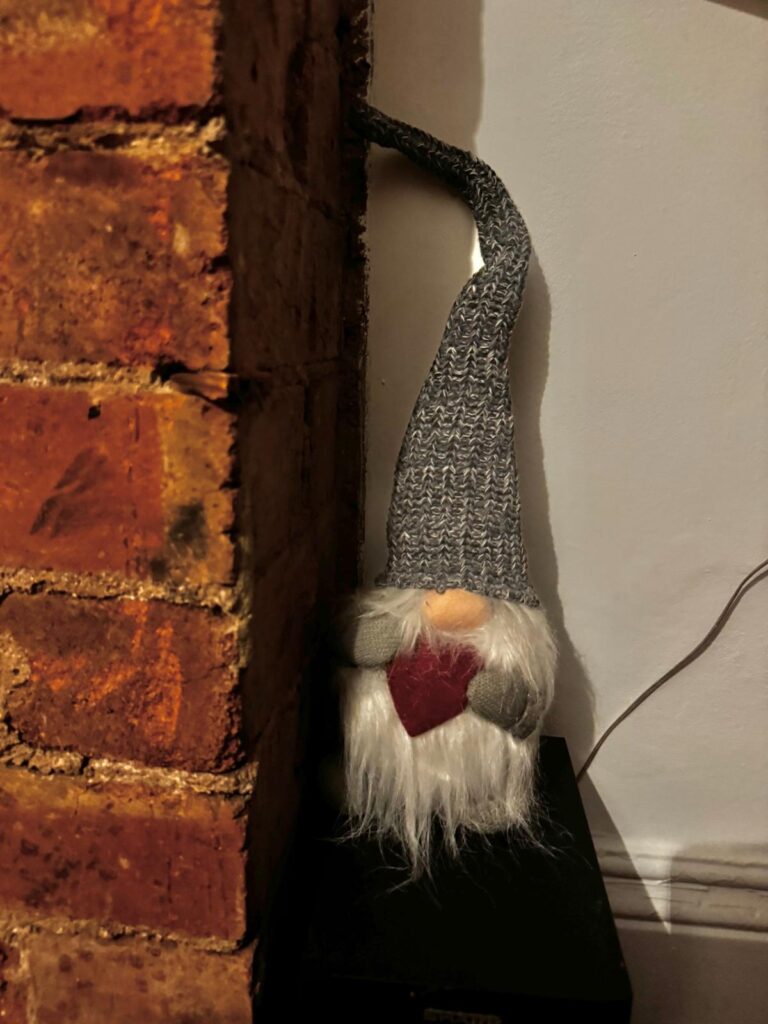
In our house, they are gonks.
My wife Jude loves them. I don’t know exactly when the first one arrived, but I do know that it was not the last, and they now appear around the house in sufficient numbers to suggest that some form of reproduction may be taking place when we’re not looking.
Jude thinks they’re lovely. Other people seem remarkably fond of them too. I mostly roll my eyes, laugh and occasionally enquire whether we are approaching the point where some sort of intervention might be necessary. None of this has had any noticeable effect on the gonk population.
There is another object in our house where the positions are almost perfectly reversed.
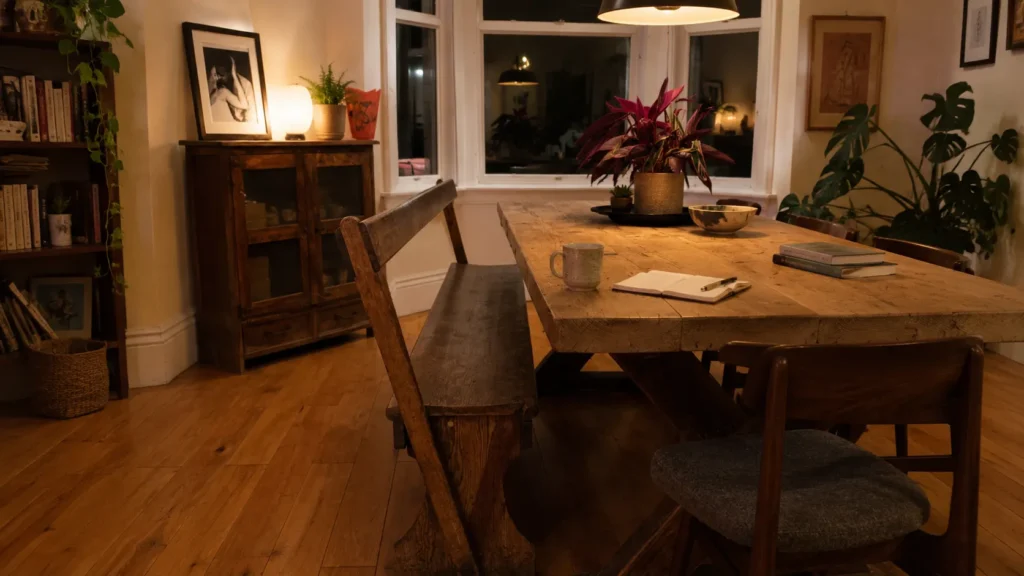
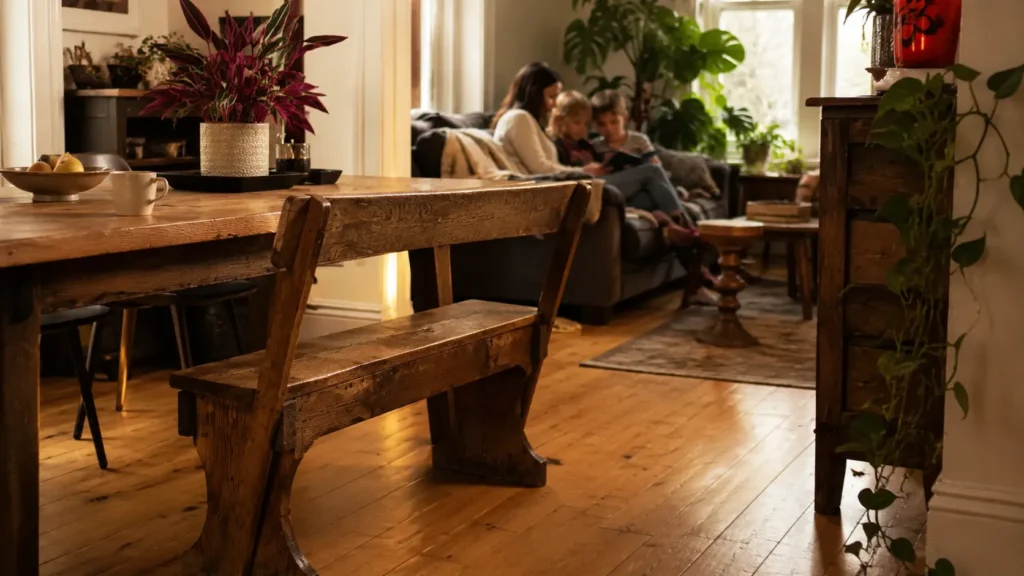
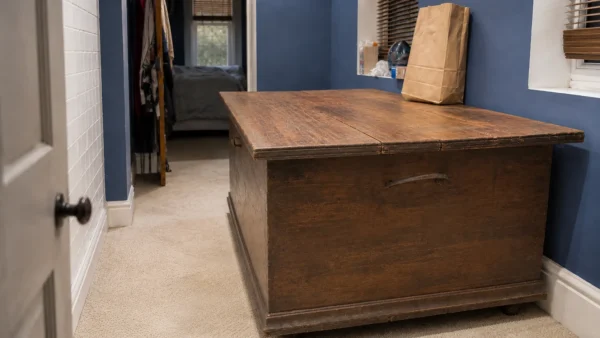
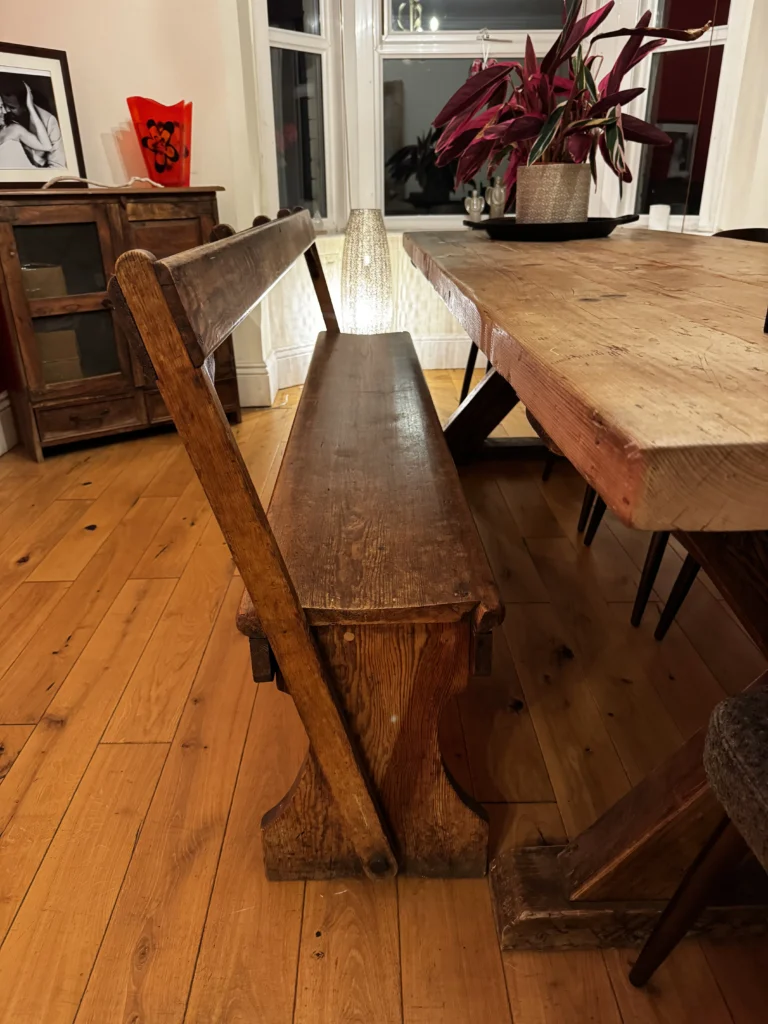
I have an old wooden bench that is quirky, uncomfortable, slightly impractical and not especially easy to find a sensible place for. Jude doesn’t particularly like it. I wouldn’t part with it.
The bench came from one of the Jamie Oliver restaurants we helped refurbish when I was starting out in the furniture industry. I have photographs from those years of me, my dad and Jack together outside the Brighton restaurant. Three generations on an August day in 2008, at a time in my life and work that I remain enormously fond of.
That is what I see when I look at the bench. None of it makes the thing any more comfortable. Its proportions haven’t improved with sentiment, and Jude’s opinion of it has not been transformed by hearing the story. She simply knows why it matters to me.
Most shared homes contain some version of this arrangement.
One person’s beloved possession is another person’s ongoing exercise in tolerance. There is the picture that would never have survived a solo decorating decision, the thing brought home from a holiday that has somehow acquired permanent residency, the chair nobody is allowed to throw away, or the collection whose definition of “collection” has become increasingly ambitious.
Sometimes there are negotiations about where these things are permitted to live. Occasionally something is moved to a less prominent position and, with impressive determination, finds its way back again. Other objects become such established household jokes that nobody can remember whether the objections to them are still entirely serious.
We tend to think that sharing a home means agreeing on what goes into it. Some decisions do work that way. Paint colours are discussed, sofas considered and kitchens can require considerably more negotiation than anybody expected. Eventually, something is found that everybody can live with.
[sankey_join_card]
But not everything has to pass that test.
A home occupied by more than one person does not have to become an average of their tastes. One person’s choices do not need to be edited until they are indistinguishable from the other’s. Sometimes it is enough that something matters to one of you.
Look around and you can probably find the evidence. There may be something within sight that you have spent years teasing somebody about. You may still think it is ridiculous. You may remain completely certain that, left to your own devices, you would never have allowed it through the front door.
But imagine it disappearing tomorrow.
Not being moved to another room. Gone.
The strange picture has vanished. The collection has been cleared away. The chair has finally been replaced by something objectively better. Whatever the thing is in your house, somebody has quietly removed it and the room is now free from the problem.
Would the room feel better?
Perhaps it would look better. That is not quite the same thing.
The things we live with are also evidence of the people we live with. Their interests are there. Their histories are there. Their peculiarities are there. Sometimes their questionable taste is there too, and there is no reason affection should require us to pretend otherwise.
I reserve the right, for example, to continue rolling my eyes at the gonks. But I wouldn’t actually want to come home one day and discover that Jude had got rid of every one of them. The house would contain fewer gonks, which on paper sounds like an improvement, but something unmistakably hers would have disappeared with them.
I suspect she understands much the same thing about my bench.
If we emptied the house tomorrow and put back only the things we would both independently choose, there would probably be fewer arguments with the furniture. Everything might agree rather nicely with everything else.
It might even be a better-looking room.
But it would tell rather less of the truth about who lives there.