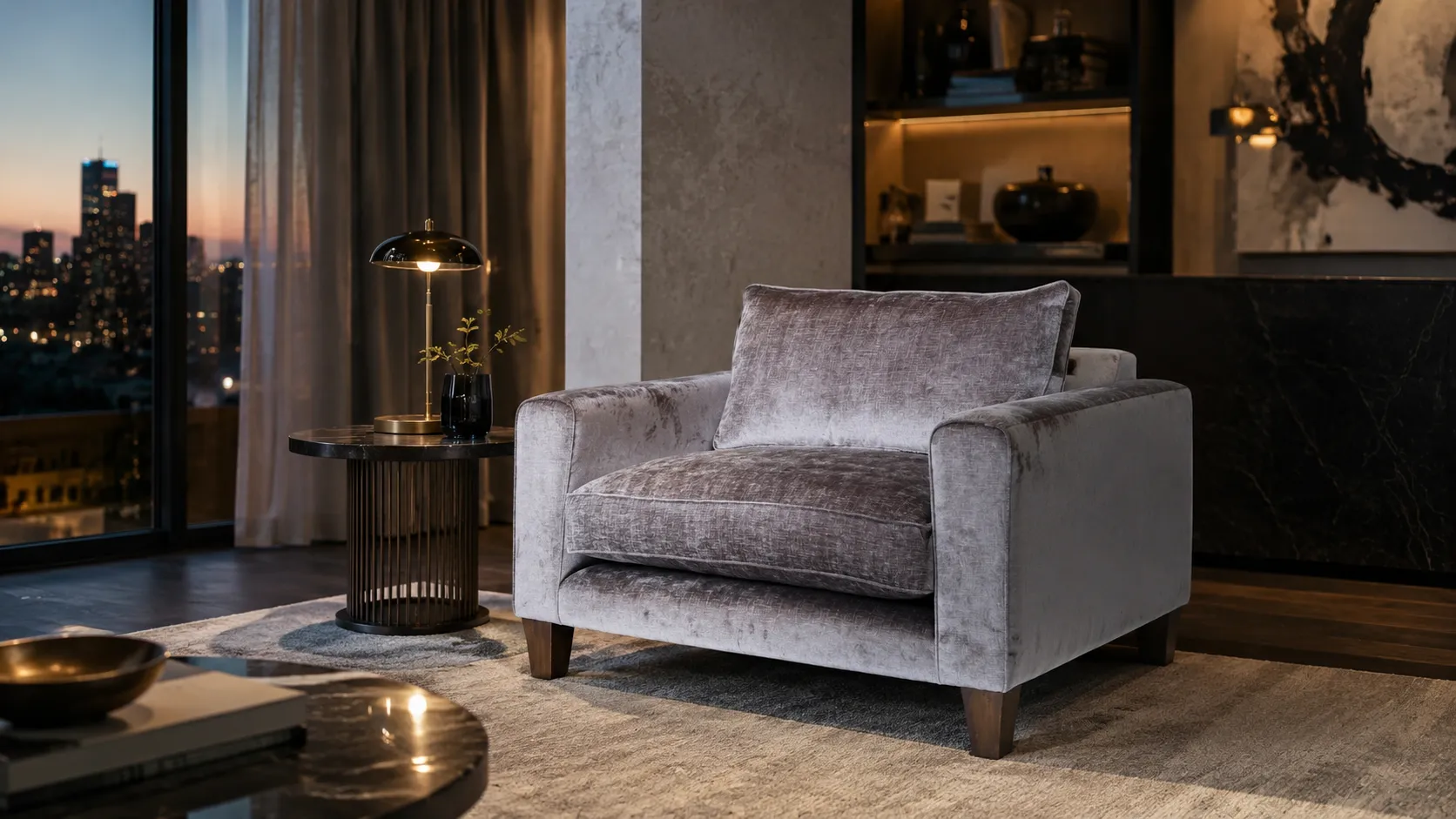
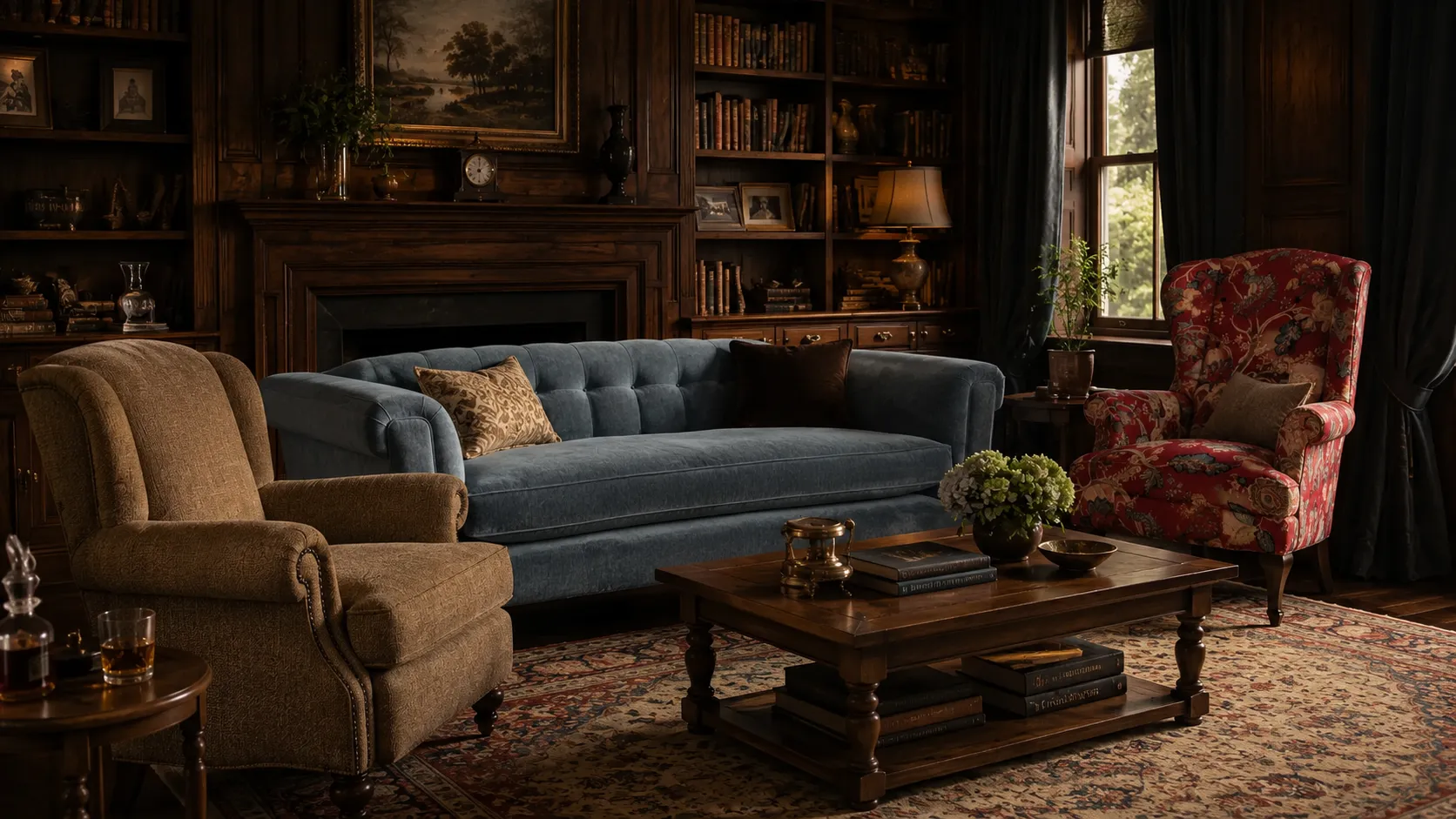
Every family has one. Nobody claims it. Everyone knows.
Nobody remembers when it happened. One day it was simply another chair. The next, it wasn’t.
There was no conversation. No decision. No announcement. Nobody ever said, “That’s yours.” Yet somehow, everyone reached exactly the same conclusion.
Every family has one. The chair beside the fire. The chair that catches the last of the evening sun. The chair nearest the bookshelf. The chair by the window where the morning light always seems to arrive first.
It isn’t always the newest. It isn’t always the biggest. Often it isn’t even the most comfortable. Yet year after year, the same person quietly returns to it. Until eventually, it becomes impossible to picture one without the other.
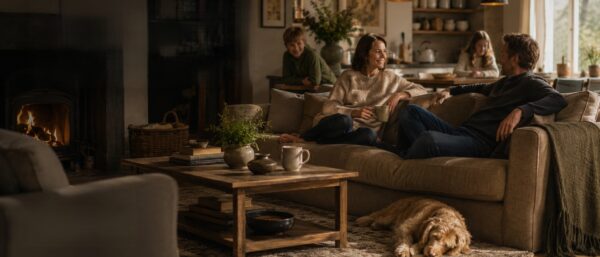
The remarkable thing is that nobody ever enforces the rule. Children simply stop climbing into it. Visitors instinctively choose somewhere else. Even the dog seems to understand. Nobody explains why. They just do.
The chair belongs to someone because everyone else quietly decided it did. Not with words. With respect.
If someone else sits there, the room changes. Only slightly. Barely enough to notice. Yet everyone notices. Conversation continues. The kettle boils. Nothing appears different. But for a brief moment, the room feels as though one picture has been hung slightly crooked.
Eventually someone smiles. “I think you’re in Dad’s chair.” Or Grandma’s. Or Grandad’s. Everyone laughs. The room quietly puts itself back together again.
Ask someone about the home they grew up in and they rarely begin by describing the furniture. Instead they say, “That’s where Dad always read the newspaper.” “Grandma knitted there every evening.” “Mum always had her first cup of tea in that chair.”
They remember the person. The chair simply helped them remember.
Perhaps that is the quiet genius of furniture. The best pieces never ask to become the centre of attention. They slowly disappear into everyday life. Until one day they are no longer recognised as objects at all. They become landmarks. Places where stories happened. Places where people belonged.
And long after the room has changed, someone will still walk past that familiar corner and think: “That’s where they always sat.”
JOIN THE SANKEY LIST
This Week’s Editorial Discovery
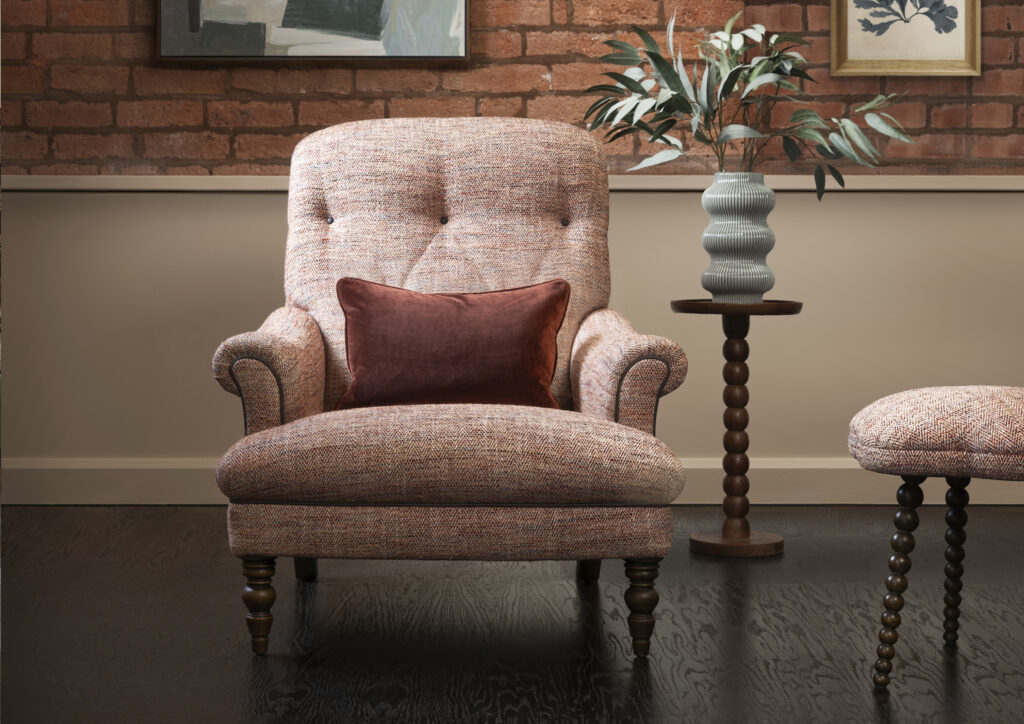
Some chairs are admired the day they arrive. The finest chairs are remembered decades later—not because of how they looked, but because of who always returned to them.
DISCOVER THE PIECES