The places we love most rarely stay the same, because neither do we.
Nobody decides where their favourite place will be.
If you walked into a new home for the first time, you probably couldn’t point to it. Every room still feels unfamiliar. Every chair belongs to the house rather than the people who have just moved into it. Favourite places are almost never chosen on the first day because they cannot exist until ordinary life has begun.
At first, every decision is deliberate. Which cupboard should the mugs go in? Where will coats be left? Which socket is most convenient for charging phones overnight? Where should the school bags go when everyone comes home? These choices feel practical rather than meaningful. Nothing about them suggests they will matter years later.
Then something quieter begins to happen.
You stop thinking about them.
The things we do every day are often the last things we notice.
Without discussing it, somebody always makes tea from the same side of the kitchen. A laptop is closed in the same place before dinner. Keys land on the same stretch of worktop every evening. None of these routines announces itself. Repetition quietly removes them from our attention until they simply become part of how home works.
Favourite places arrive in exactly the same way.
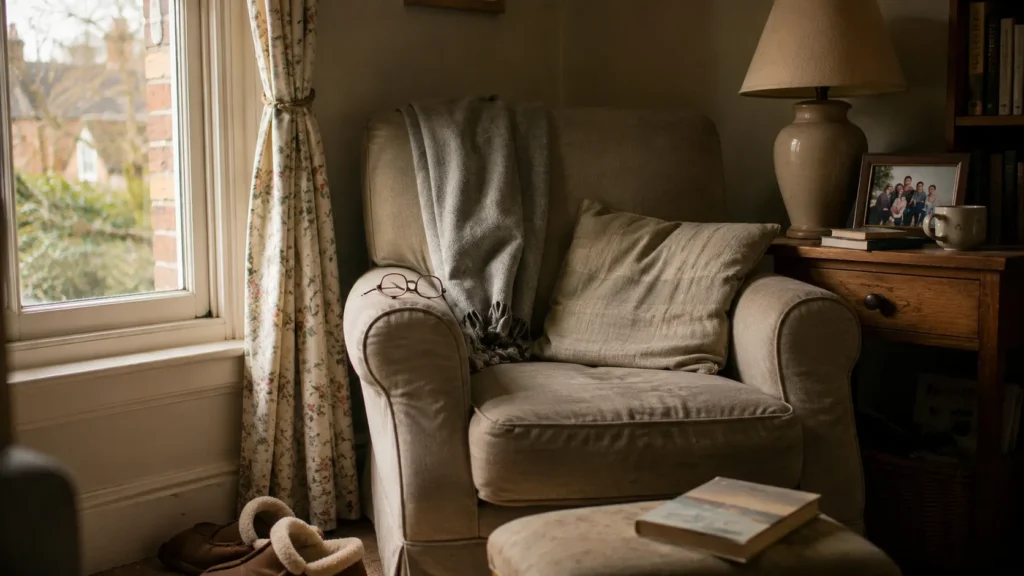
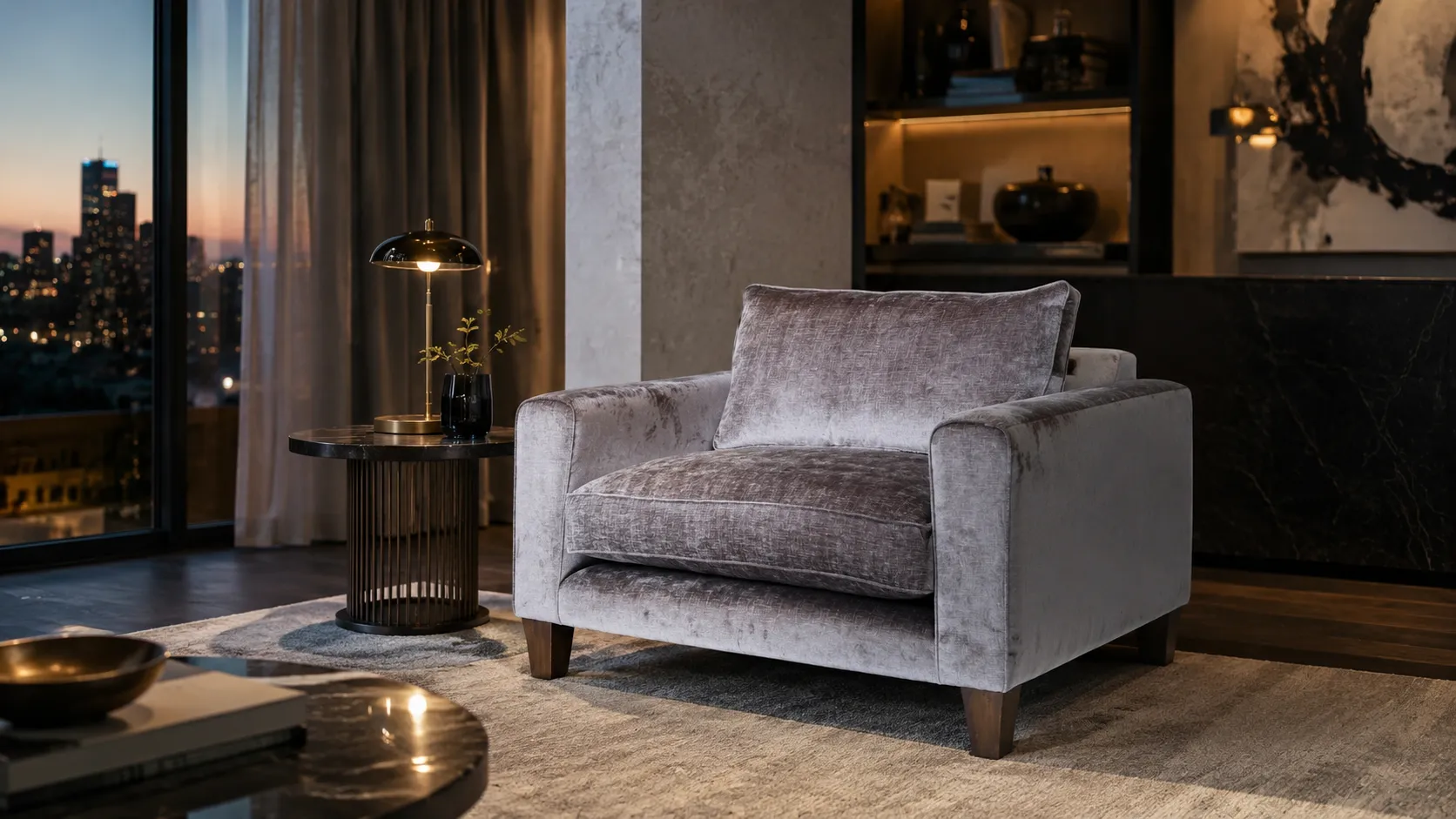
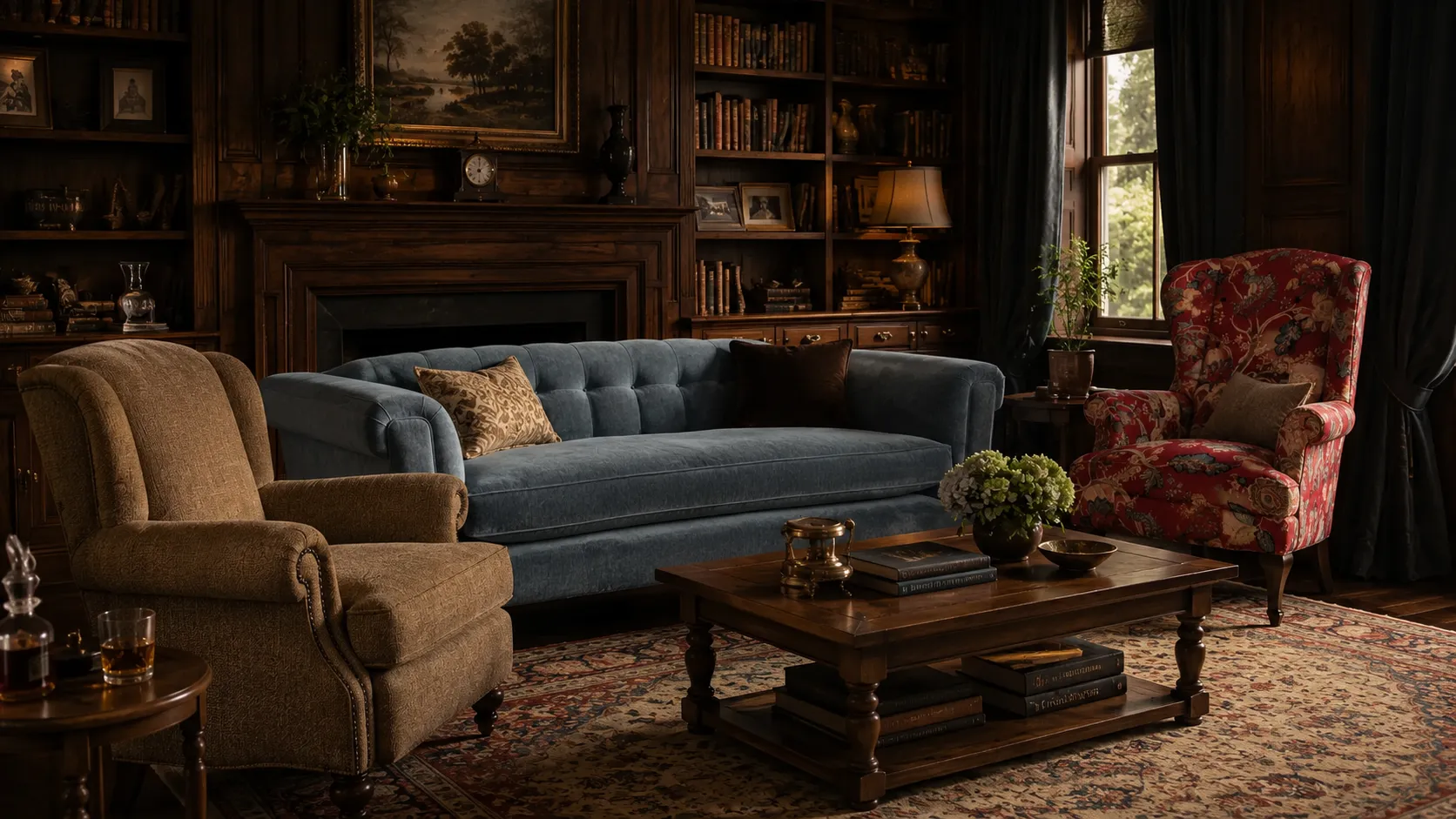
Nobody decides that one chair has become theirs. It may catch the last of the evening light. It may be the easiest place to join a conversation while keeping half an eye on the children. It may simply be where someone happened to sit often enough that returning there eventually required no thought at all.
Years later, it feels as though it had always been that way.
It almost never was.
Children reveal this more clearly than adults.
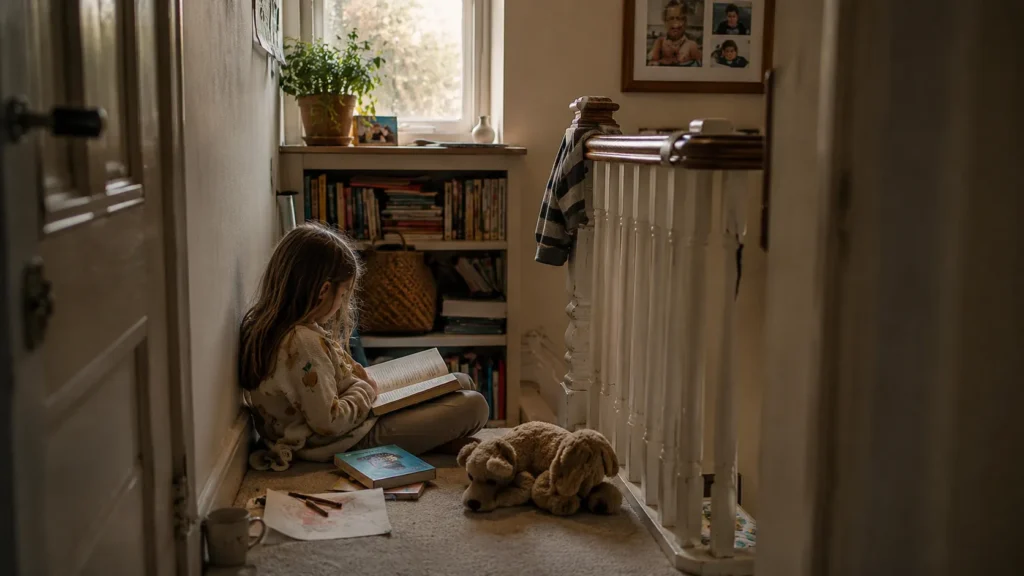
Their favourite places are rarely chairs. They build dens beneath dining tables where conversations become distant background noise. They sit halfway up the stairs because they can hear the whole house without being in the middle of it. They spread books, games and school projects across bedroom floors because the floor feels larger than the bed. Those places seem permanent while childhood lasts.
Then life quietly changes.
Nobody announces that they have stopped sitting on the stairs. There is no final afternoon beneath the dining table. There are simply fewer evenings there until another place gradually takes over without anybody noticing that the change has already begun.
The same pattern repeats throughout life.
A first flat develops one corner that somehow becomes home. A growing family creates a place from which homework can be answered, dinner watched and the front door heard all at once. Years later, another chair becomes the natural place to end the day because it is beside the lamp, near the window or simply where the house feels quiet after everyone else has gone upstairs.
None of these places becomes important because of how they look.
They become important because life keeps returning to them.
That is why they can be so difficult to explain to someone else. Visitors see an ordinary chair. The person who lives there sees where difficult conversations became easier, where exam results were opened, where Christmas evenings ended, where tomorrow was organised before the lights were switched off, or where ten quiet minutes could always be found at the end of the day.
The place itself has done nothing remarkable.
It has simply been there, often enough, for ordinary life to gather around it.
Perhaps that is why favourite places seem to move without ever feeling as though they have moved.
We imagine that we choose them, when more often they are chosen by the lives we happen to be living. As children grow older, work changes, households become quieter or busier, and routines slowly rearrange themselves, another ordinary place begins receiving the repeated life that once belonged somewhere else.
Only afterwards do we recognise what has happened.
If you think back through the homes you have lived in, you may remember each one not by its address but by where you naturally returned. The bedroom floor. The stairs. One corner of a first flat. The kitchen table. The chair beside the window. None of those places announced their importance while you were living them.
They became your favourite place for exactly the same reason they eventually stopped being it.
You simply lived somewhere else, one ordinary day at a time.