There is a point in most evenings when the house begins quietly collecting everyone back together.
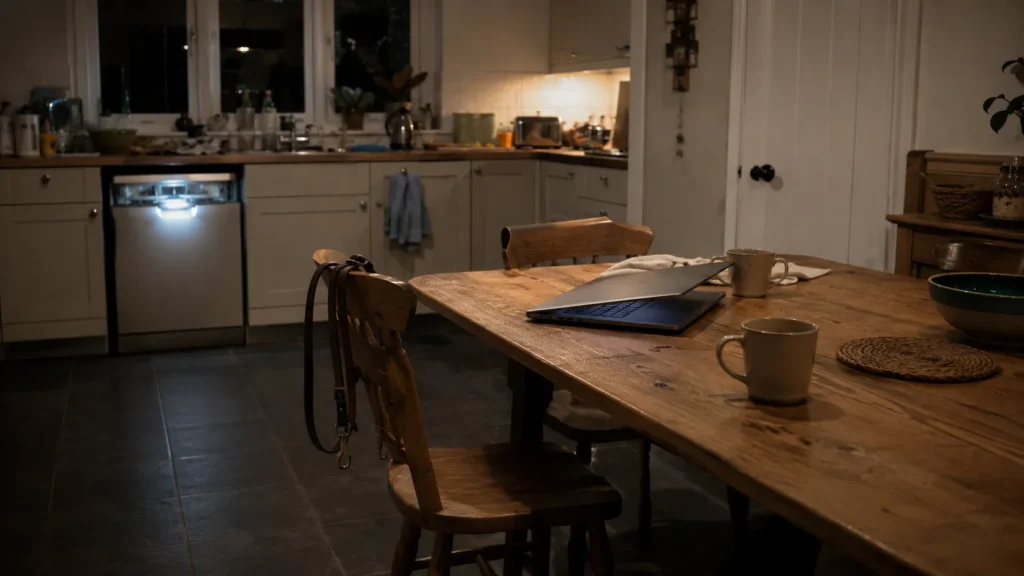
It rarely happens all at once. Someone is still upstairs finishing work, the glow of a laptop spilling onto the landing. In the kitchen, onions are already being chopped, although nobody announced they were about to start cooking. The dog appears, not because it has been called, but because experience has taught it that this is roughly the time somebody eventually reaches for the lead. Upstairs, a familiar voice asks if anyone has seen a phone charger. Nobody answers immediately because everyone already knows the search will continue for another few minutes before it turns up exactly where it usually does.
Nothing about it feels remarkable.
A visitor sees a different house.
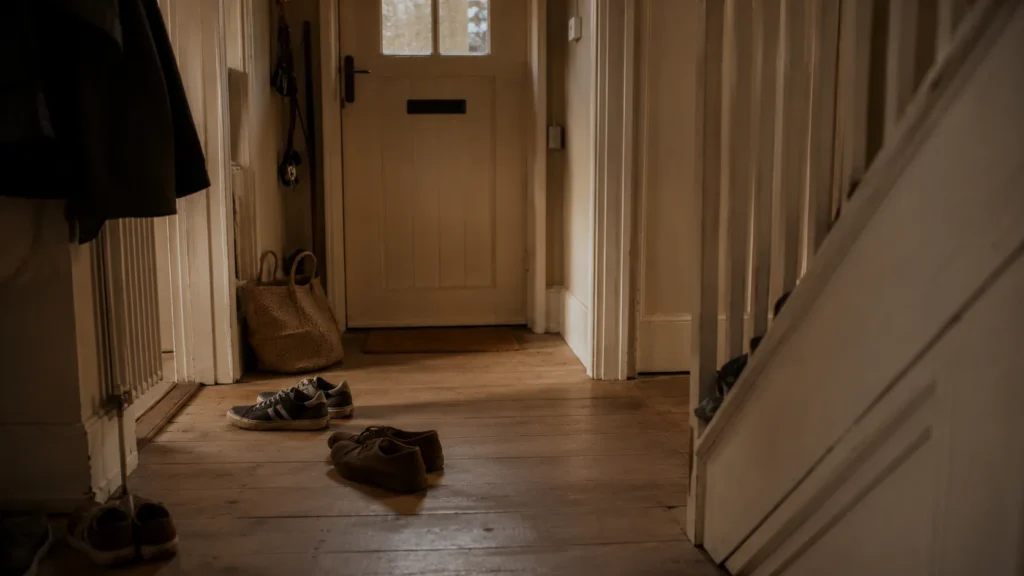
They hesitate before opening a cupboard. They ask where glasses are kept. They wonder whether shoes belong by the front door or should be taken upstairs. When everyone begins sitting down, they pause for a moment, unsure whether places have somehow already been allocated.
Nobody says they have.
Yet nobody who lives there thinks twice before sitting down.
A few minutes later someone says, almost without looking up, “I’ll just finish this email.”
No explanation follows.
It doesn’t need one.
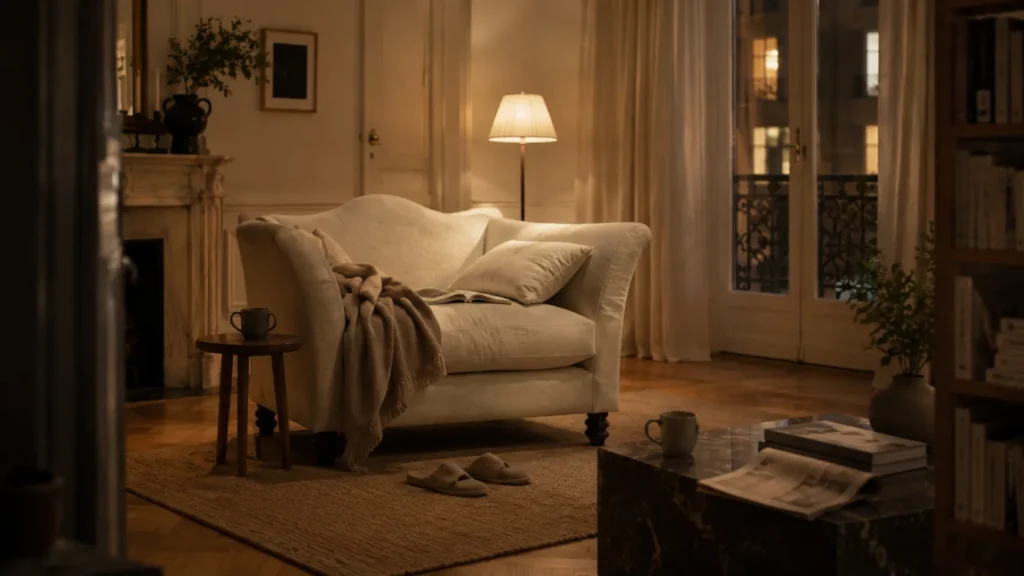
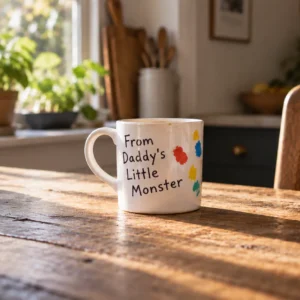
Dinner carries on. Someone else puts the kettle on without asking whether anybody wants tea. By the time the mugs are on the table, everyone who wanted one somehow has one. Nobody remembers deciding who made them.
There are hundreds of moments like this inside every home.
They pass too quickly to deserve attention at the time. A coat is lifted from the banister as someone heads upstairs. The landing light is left on because somebody will be home later. A hand reaches automatically for the drawer where batteries have always lived. Someone straightens the pile of post while walking past, not because it looks untidy, but because that’s simply what they always do.
Ask the people living there why any of those things happen and they might struggle to answer.
Not because there isn’t a reason.
Because the reason disappeared years ago.
The action remained.
Every family develops its own shorthand.
Not only in the words they use, but in everything they no longer need to say aloud.
“Same as yesterday?”
“Please.”
“He’s already been.”
“Leave it. I’ll do it later.”
To anyone else, those conversations are incomplete. Inside the house, they are perfectly fluent.
The same is true of the house itself.
Nobody thinks about which cupboard the mugs belong in. Nobody wonders where the dog lead lives. Nobody stops to remember which switch turns on the outside light. Those decisions have slowly moved from conscious thought into something quieter. Hands remember before minds do.
Perhaps that is why staying somewhere unfamiliar can feel oddly tiring.
Nothing is difficult, yet everything asks a question. Which towel is yours? Which mug can you use? Where should wet shoes be left? You spend a surprising amount of the day making decisions that never seem to exist at home.
Then you come back.
Your keys land where they always do.
Without looking, you reach for the right switch.
Someone asks if you’d like a cup of tea.
They are already making one.
We often imagine that homes are shaped by the occasions we remember for the rest of our lives.
The birthday celebrations.
The Christmas lunches.
The days everyone still talks about years later.
Perhaps they are.
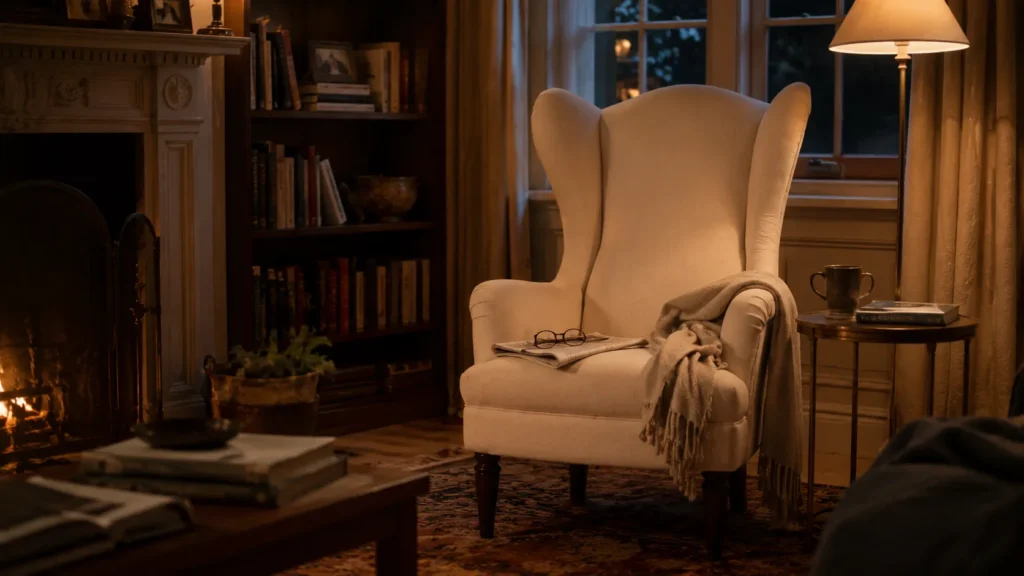
But perhaps they are also shaped by evenings that nobody will ever specifically remember. Evenings that looked almost exactly like the one before them. The dog waiting by the back door. Somebody finishing one last email. A missing charger. The kettle boiling. Half-finished conversations drifting from one room to another while tomorrow quietly begins arranging itself.
No single evening changes a house.
Thousands of them do.
One day, without anyone noticing when it happened, the house stops asking questions.
And so do the people living inside it.
A home begins to feel like home when nobody needs to ask what happens next.