There comes a point in many homes when one room quietly stops changing.
Pictures may still move elsewhere, walls may be painted, furniture may be replaced and shelves rearranged, yet this particular room settles into itself without anyone ever deciding that it should. It is not preserved because it is perfect; it simply reaches a point where nobody feels the need to make it different.
That stillness rarely announces its arrival. The people living there continue opening the curtains, putting cups down in familiar places and walking the same route across the room every day, unaware that repetition is quietly changing the room itself. By the time anyone notices, it has already become the place against which every other room in the house is unconsciously measured.
The room itself is seldom the grandest.
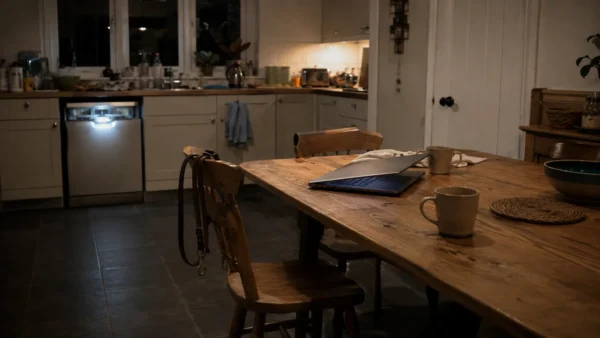
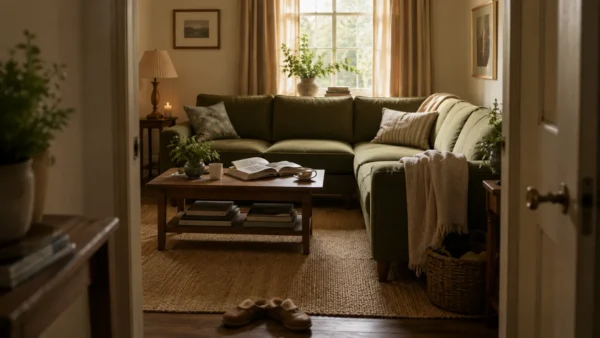
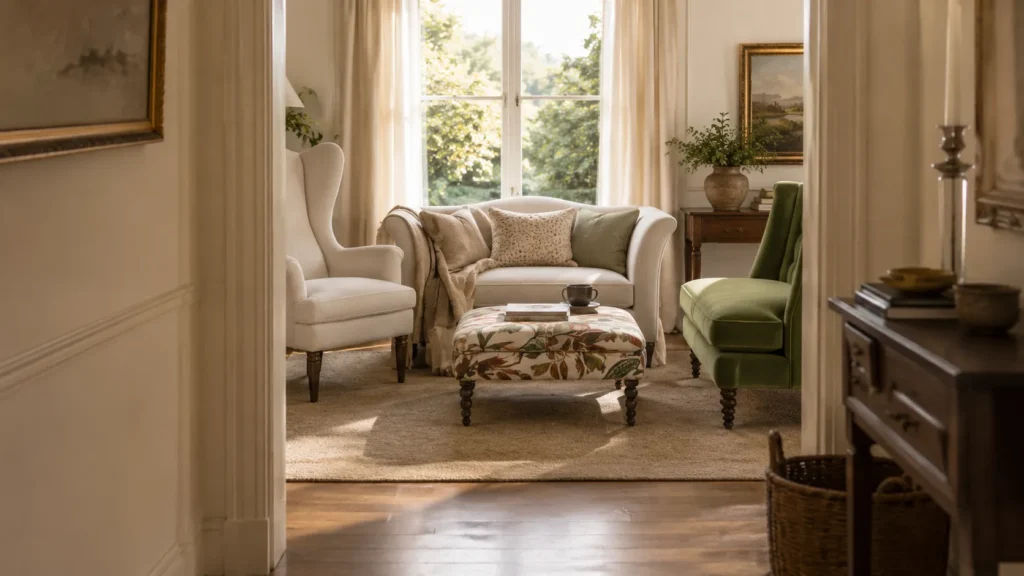
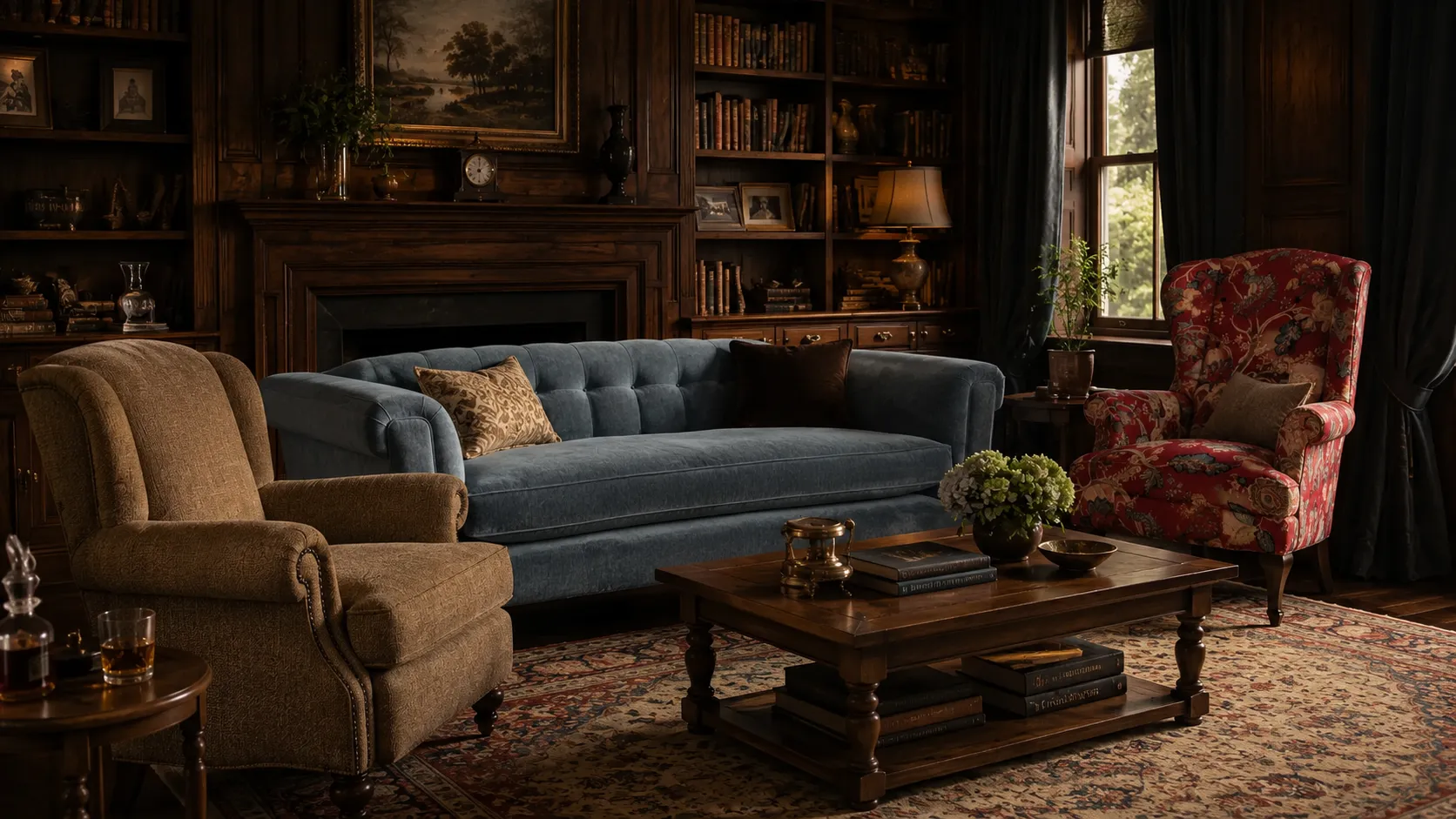
In one home it is the kitchen, where conversations continue after the meal has ended. In another it is the sitting room, where everyone gradually gathers as daylight begins to fade. Elsewhere it may be a small study, the corner of a dining room or a conservatory that somehow became more important than anyone ever intended.
Nobody remembers deciding that this would become the room they returned to. There is no family meeting, no shared agreement and no moment that can later be pointed to with certainty. Like so many things that shape ordinary life, belonging grows through repetition rather than intention, leaving its evidence so slowly that the people creating it rarely see it happening.
Perhaps the children always wandered there after school because someone was already making tea. Perhaps the room caught the last warmth of the afternoon sun, or perhaps it simply held the easiest chair in the house after a long day. The original reason gradually disappears because convenience becomes routine, routine becomes familiarity and familiarity quietly becomes belonging.
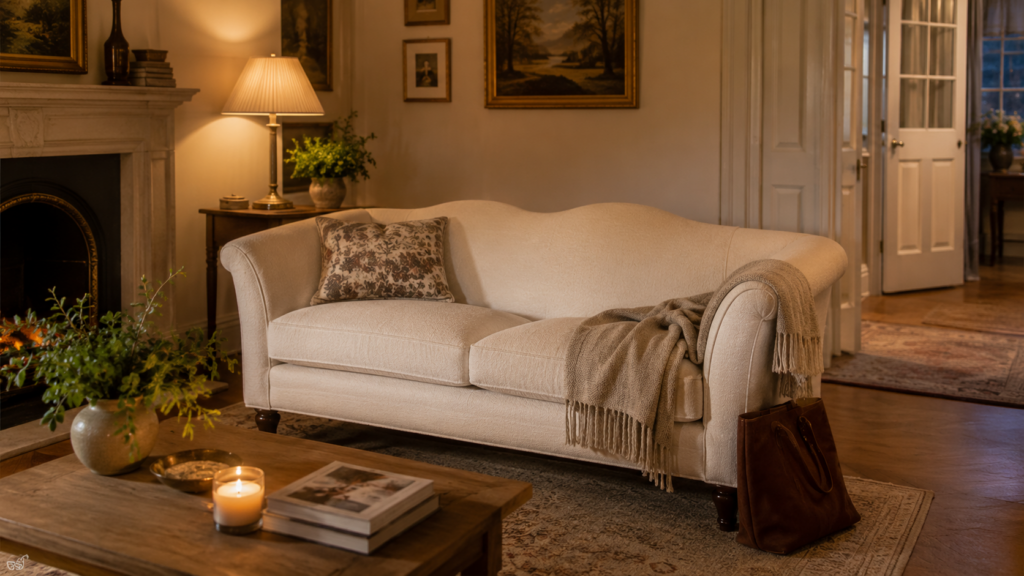
Years later, someone suggests moving the furniture.
The suggestion is perfectly reasonable. A different arrangement might create more space, improve the light or simply make the room feel fresh again. Yet the conversation often hesitates for reasons nobody can fully explain, as though something larger than furniture has unexpectedly entered the discussion.
People rarely resist changing a room because they love the room.
They resist because, without ever noticing, they have learned how to live inside it.
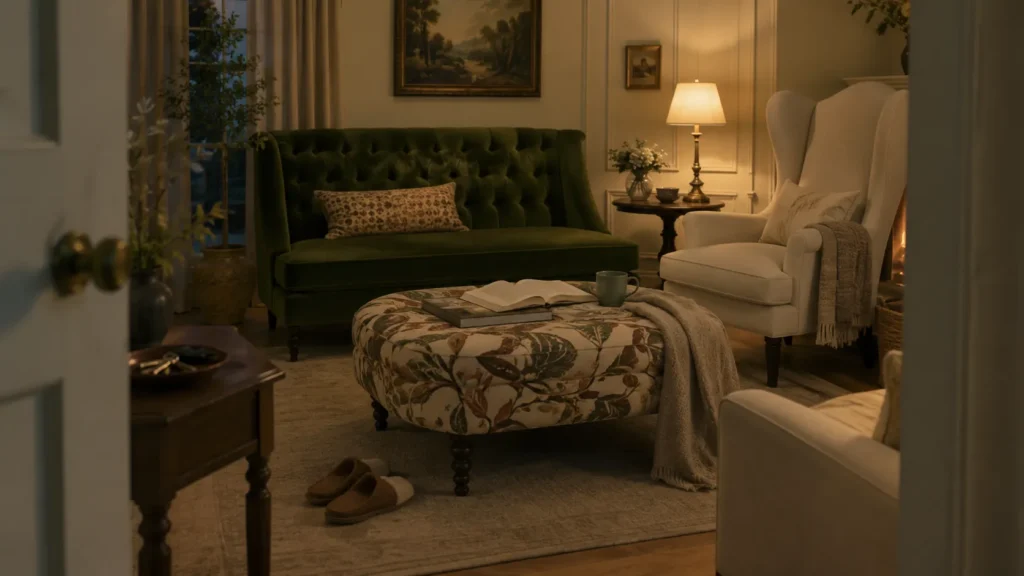
The sofa is not simply where it stands. The table is not merely where meals are served. Every familiar route across the carpet, every place where a mug is absent-mindedly placed and every chair reached for without looking has become part of a map drawn through years of repeated life. The room has learned the family just as surely as the family has learned the room.
That is why moving house can feel unsettling even when the new home is objectively better.
The rooms may be brighter, larger and more comfortable, but they have not yet accumulated the quiet evidence of repetition. There are no familiar pathways through them, no places that already seem to belong to a certain time of day and no corners that instinctively know who will arrive there first.
Children often establish these patterns more quickly than adults because they rarely question them. Adults imagine they are making practical choices, yet many of our own habits are no less instinctive. We leave our keys in the same bowl, reach for the same light switch without looking and walk into the same room before we have consciously decided where we intended to go.
Furniture becomes meaningful within this process rather than outside it.
A chair matters because someone continues choosing it. A table matters because conversations regularly outlast the meal. Objects become woven into family life not through craftsmanship alone, but because they quietly witness enough ordinary days for memory to begin settling around them.
Perhaps that is why the room you go to first tells you far more about home than the room you would proudly show to a visitor.
One has often been arranged to be admired. The other has simply been lived in so completely that it has stopped asking for attention. It has become ordinary in the deepest and most meaningful sense of the word.
When we think about home, we often remember the milestones: the day we moved in, the walls we painted or the celebrations that filled the rooms. Yet homes are rarely shaped by extraordinary occasions. They are shaped by thousands of evenings that looked almost identical while they were happening.
That may be the closest we come to recognising home.
Not the room that looks finished.
The room that quietly taught us how to live there.