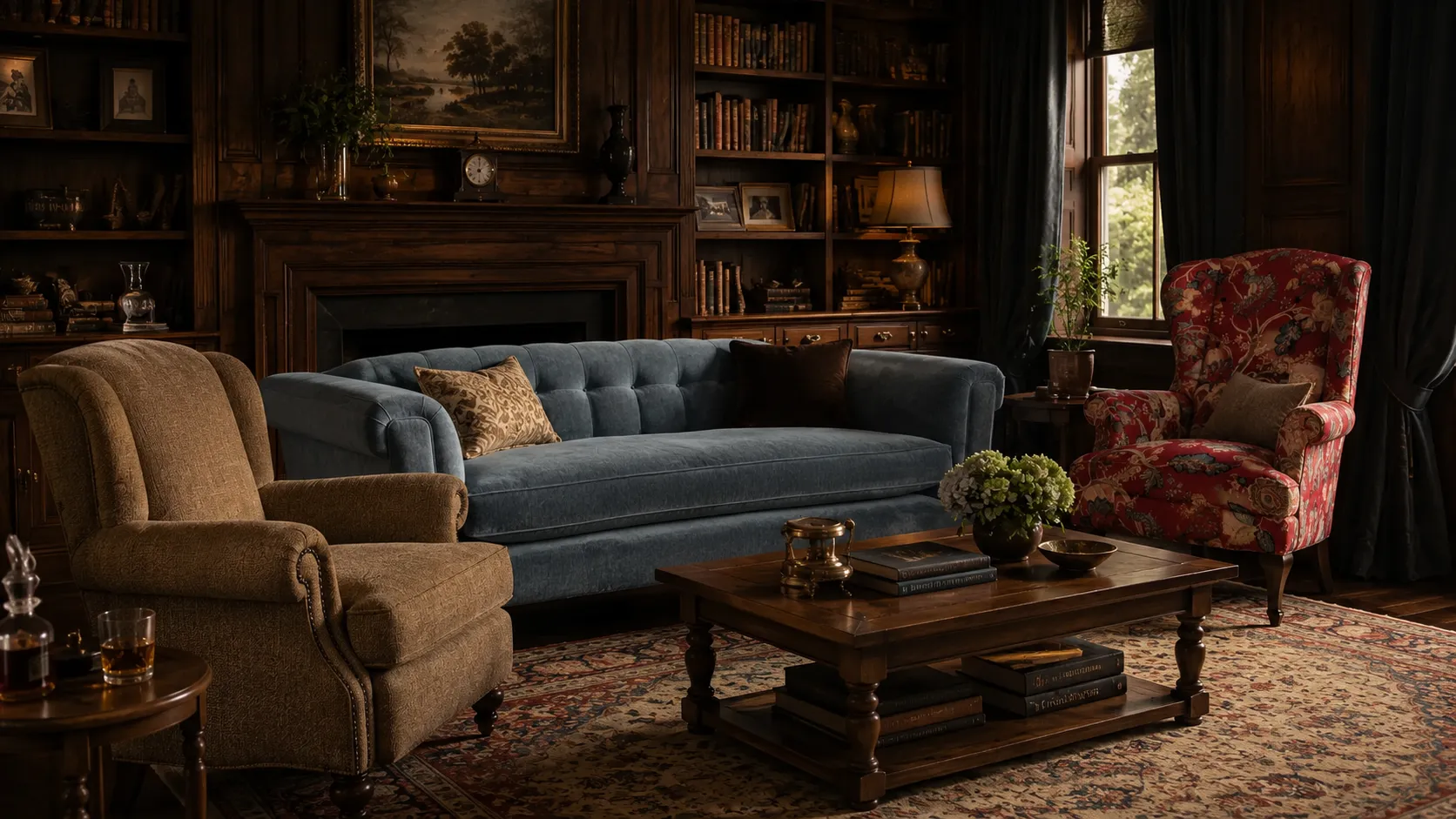
Long before we built houses, we gathered around fires.
There is an ancient instinct that survives inside every home.
Long before we understood architecture—before blueprints, before interior designers, before open-plan living—people gathered. Around warmth. Around food. Around stories. Around one another. The buildings have changed, but the instinct never has.
Walk into any new home on the first day, and every room feels equal. The sitting room. The dining room. The kitchen. The spare bedroom. Each waits patiently. Each could become the heart of the house. None of them knows which life it is about to witness—and neither do we.
If someone asked us then, "Which room will become the centre of your family?" we would probably choose the most beautiful one. The room with the highest ceiling. The finest view. The biggest windows. The perfect proportions. But homes have never been organised by beauty; they have always been organised by belonging.
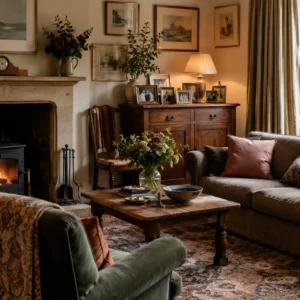
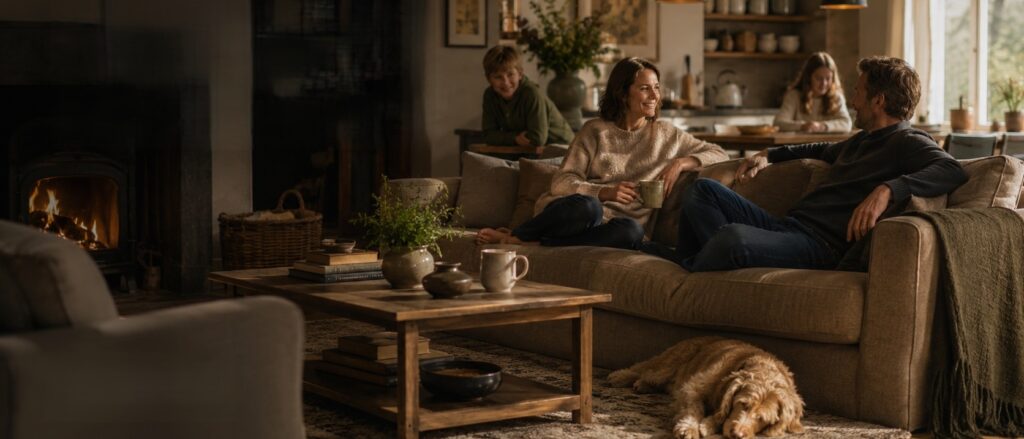
The transformation begins so quietly that almost nobody notices it. A book is left on the arm of a chair. A blanket appears one evening and never quite leaves. Someone brings a cup of tea into the room. The dog curls up in exactly the same place. Children drift in after school without being called. Visitors somehow end up there too. Nothing extraordinary happens—except everyone keeps returning.
That is how a room earns its place. Not through design. Through repetition.
Every family has one. The room where conversations last longer than expected. The room where people apologise. Laugh. Read. Fall asleep. Cry. Celebrate. Wait for good news. Live through difficult news. It slowly becomes the backdrop to a thousand ordinary moments—none important enough to photograph, all important enough to remember.
We often imagine memories are built from milestones: birthdays, weddings, Christmas. But memory has always been far more interested in ordinary days. The Tuesday evening when nobody was in a hurry. The rainy Sunday when everyone stayed inside. The quiet cup of tea before anyone else woke up. The conversation that changed everything without anyone realising it at the time.
Perhaps that is why the room begins to feel different. It absorbs repetition—not literally, but emotionally. The walls remember nothing. The furniture remembers nothing. Yet somehow, we do.
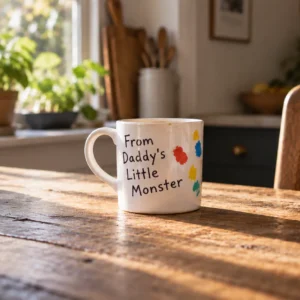
Children understand this instinct before adults do. Watch a toddler in a busy house. They do not search for the nicest room; they search for the room where everyone else already is. Because home has never been about walls. Home has always been about proximity. The people we love become our first map of the world. Perhaps we spend the rest of our lives quietly following the same map.
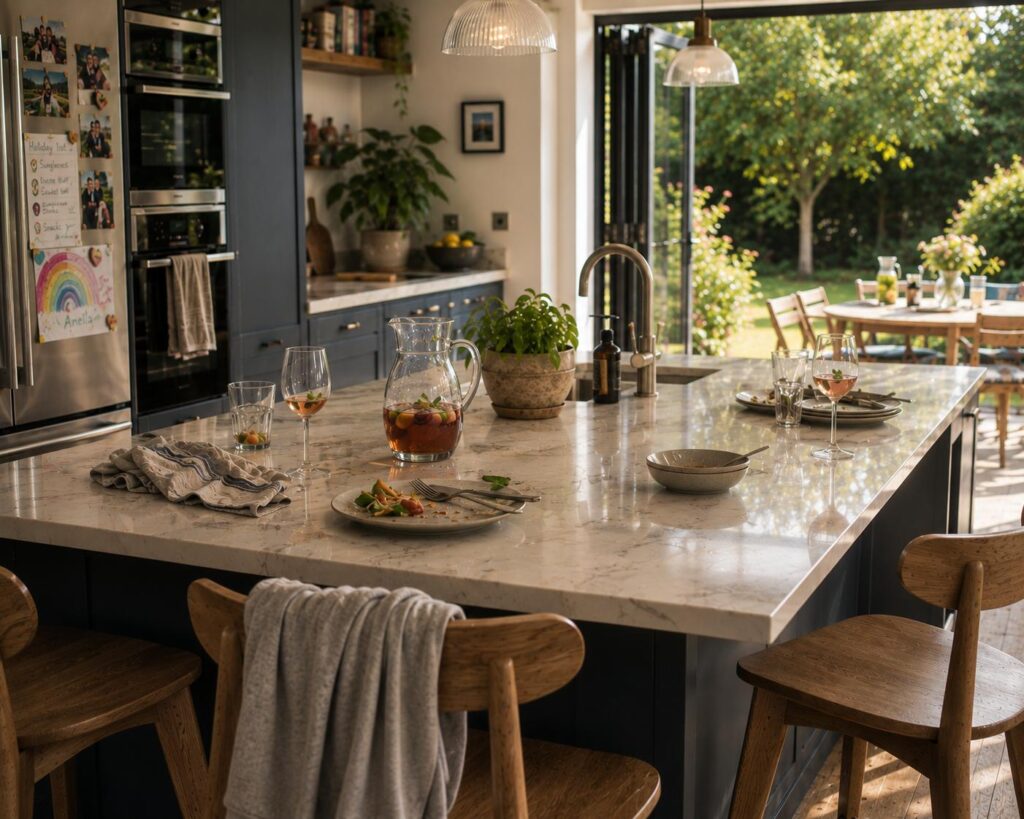
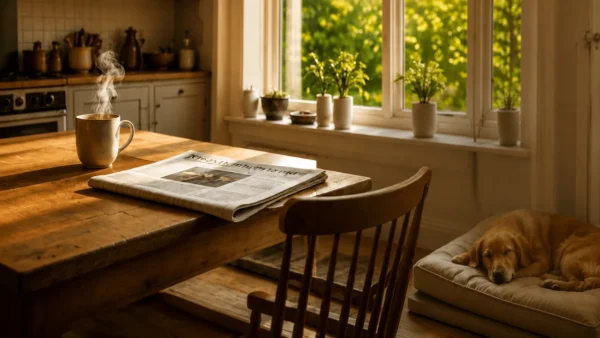
It is remarkable how little perfection has to do with belonging. The favourite room is rarely immaculate. There are books that have not been put away. A newspaper folded in half. A cardigan over the back of a chair. The dog asleep where the dog always sleeps. Evidence of life. Evidence that this room is used far more than it is admired. Perhaps that is why it feels so welcoming—nothing is trying to impress anyone.
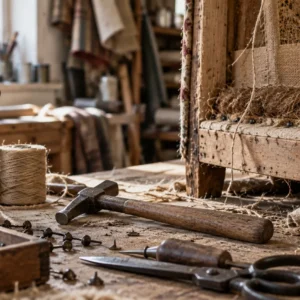
Architects can design beautiful spaces. Craftsmen can build extraordinary furniture. Designers can choose colours that sit together perfectly. But none of them can create the thing that matters most: presence. That can only be given by the people who return, day after day, year after year, until the room quietly begins to feel as though it would somehow be incomplete without them.
There comes a moment—although nobody could ever tell you exactly when—when the room is no longer simply where the furniture lives. It becomes where the family lives. Not officially. Not permanently. Just naturally. Almost instinctively.
At John Sankey, we have never believed our work is to create the most beautiful room. Beauty fades into the background surprisingly quickly. Our hope is much quieter than that: to create furniture that welcomes one more conversation. One more chapter. One more cup of tea. One more Sunday afternoon that nobody planned but everyone quietly enjoyed.
Because if a room is fortunate enough to become the place where life gathers, then the furniture should never compete for attention. It should simply be ready. Comfortable. Dependable. Patient enough to let life take centre stage.
Years later, people rarely remember the colour on the walls. Or the fabric they chose. Or where the sofa originally stood. They remember something else entirely: who was there. The sound of laughter drifting in from the kitchen. The rain against the windows. The smell of toast on a Saturday morning. The feeling that, somehow, everyone had ended up in the same room again.
Perhaps that is what home has always meant. Not the building. Not the furniture. Not even the room itself. But the quiet certainty that if you walked in, the people who mattered most would probably already be there. Waiting. Without ever arranging to be.