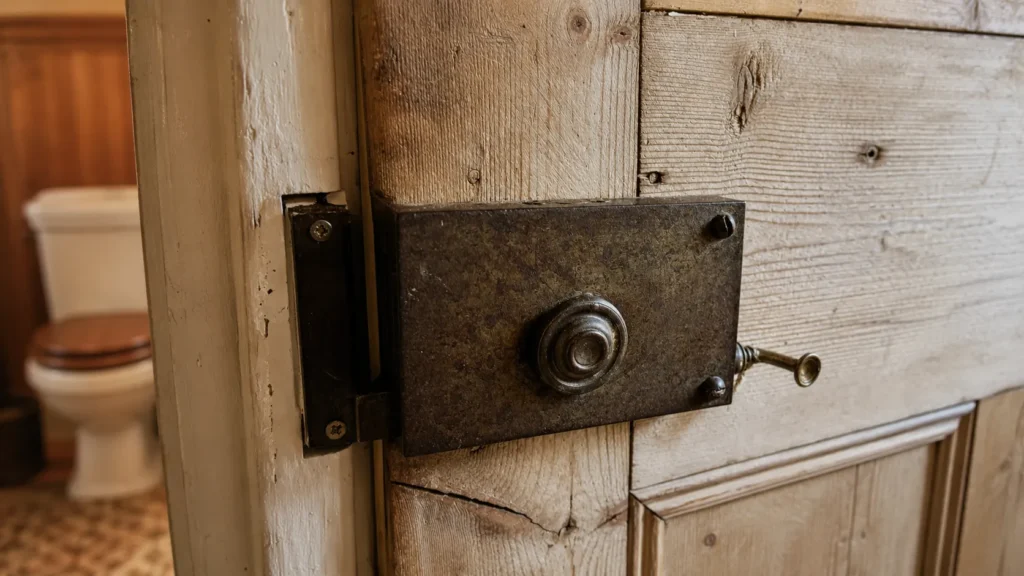
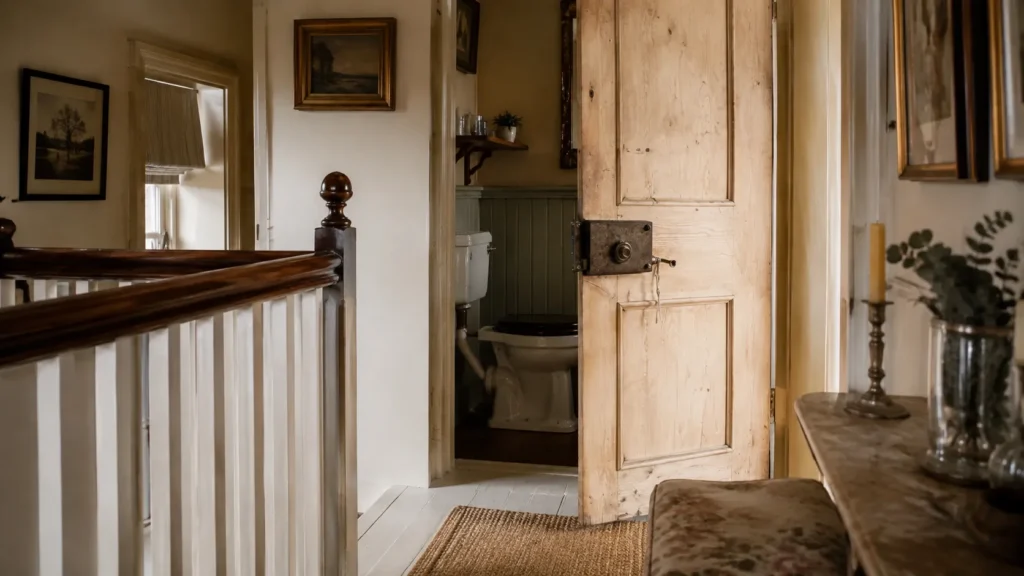
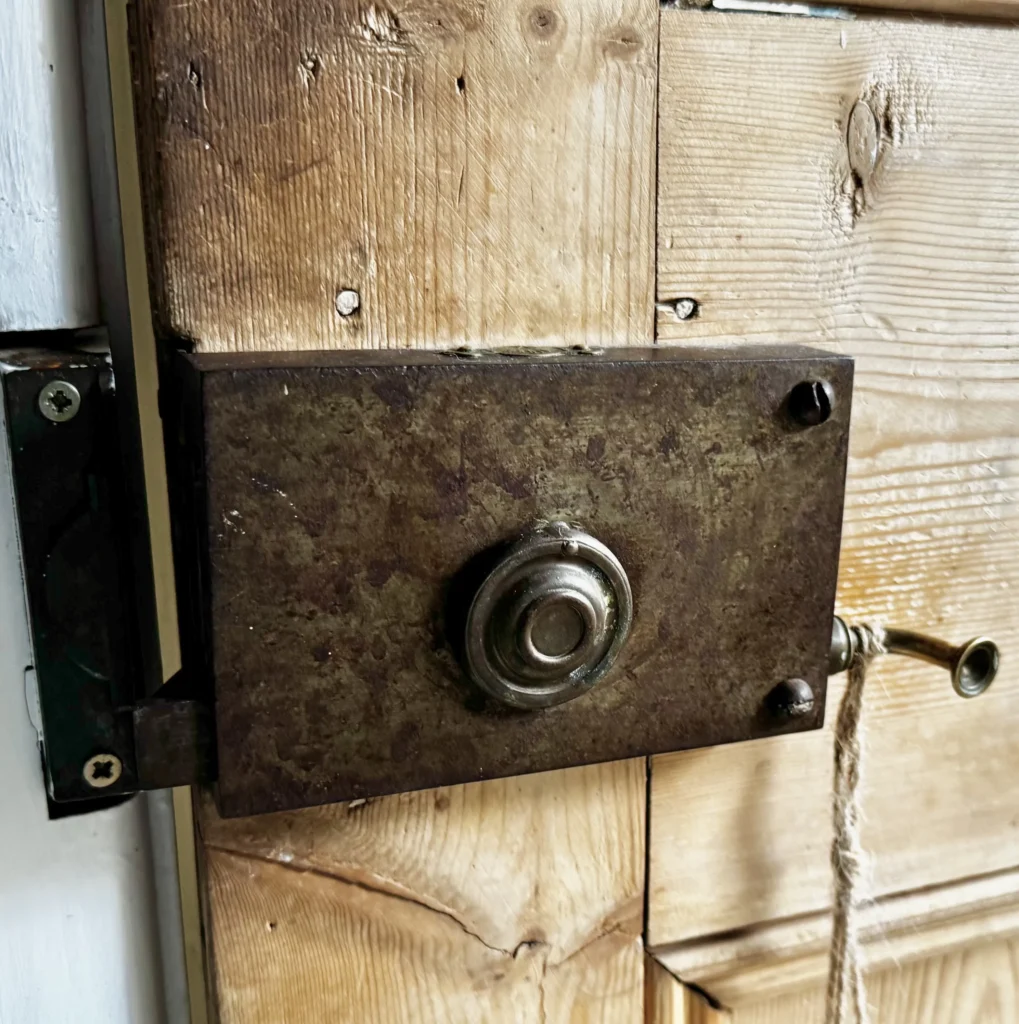
There is an old lock on the door of our downstairs toilet. We bought it years ago from a flea market in Bruges because we thought it was beautiful, although it is far more substantial than anything a downstairs toilet could reasonably require. It has a heavy iron case, a small key and the sort of mechanism that looks as though it should be securing something considerably more important.
There is also a knack to using it. Everyone who lives in the house knows this. Visitors are less fortunate, and over the years quite a few people have locked themselves in before discovering that opening the door again requires a particular little movement that is obvious only once you know it.
A modern lock would be better in almost every measurable way. It would be simpler, smaller and considerably less likely to turn a trip to the toilet into an unexpected period of confinement. If we were refurbishing the room from scratch today, I am not sure anybody sensible would suggest finding another one.
But I wouldn’t change it.
That is an odd thing about homes. We spend a lot of time deciding what would make them better. Something could be repainted, replaced, moved, repaired or updated, and occasionally we live with things for years while quietly knowing that one day we really should do something about them.
Then there are the things we talk about changing but somehow never do. Perhaps it is an old chair that has survived three moves, a picture that has been hanging in the wrong place for so long that moving it would now look stranger, or something brought home from a holiday that made perfect sense at the time and rather less sense once it reached the living room.
Quite often, they simply stay.
Years later, the relationship has changed. The object may be no more beautiful or useful than it was before, but it has become familiar enough that the room without it is harder to imagine than the room with it. What once required a decision no longer feels like a decision at all.
The lock has certainly reached that point. Nobody in our house pauses to admire it before using the toilet, and there is no small family ceremony around its provenance from Bruges. Most of the time it is simply the lock, accompanied by the occasional warning when somebody unfamiliar with it closes the door.
Perhaps that is one of the quieter ways character appears in a home.
Not through the things chosen because they looked individual, but through the things that have remained long enough to stop announcing themselves. They become part of the background against which ordinary life happens.
This is not about keeping everything simply because it is old. Some things really should be replaced. But every so often there is something whose value has become difficult to separate from the place around it.
Replacing it might improve the object while somehow diminishing the home.
You may already know what yours is. You may even have complained about it this week, threatened to replace it or wondered why you still have it.
If somebody arrived tomorrow with a newer, neater and objectively better version, though, you might discover the answer very quickly.