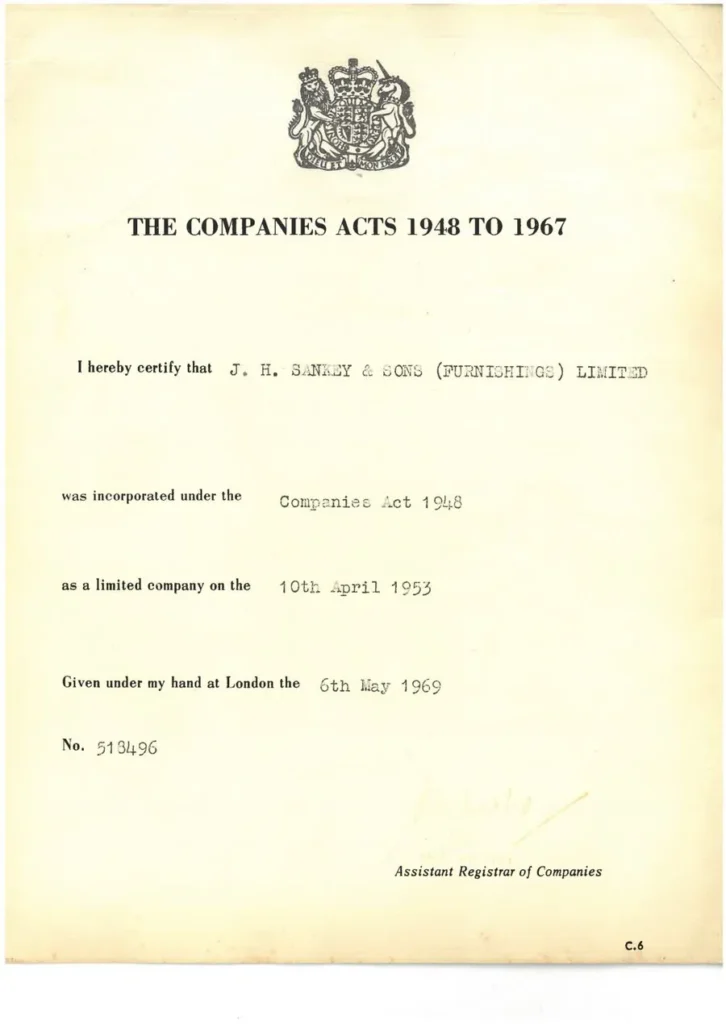
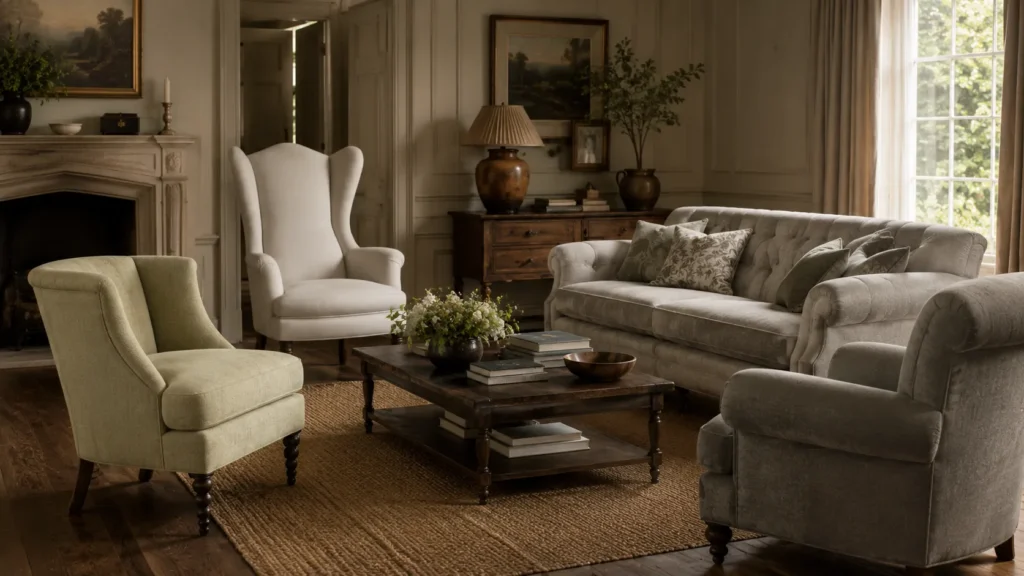
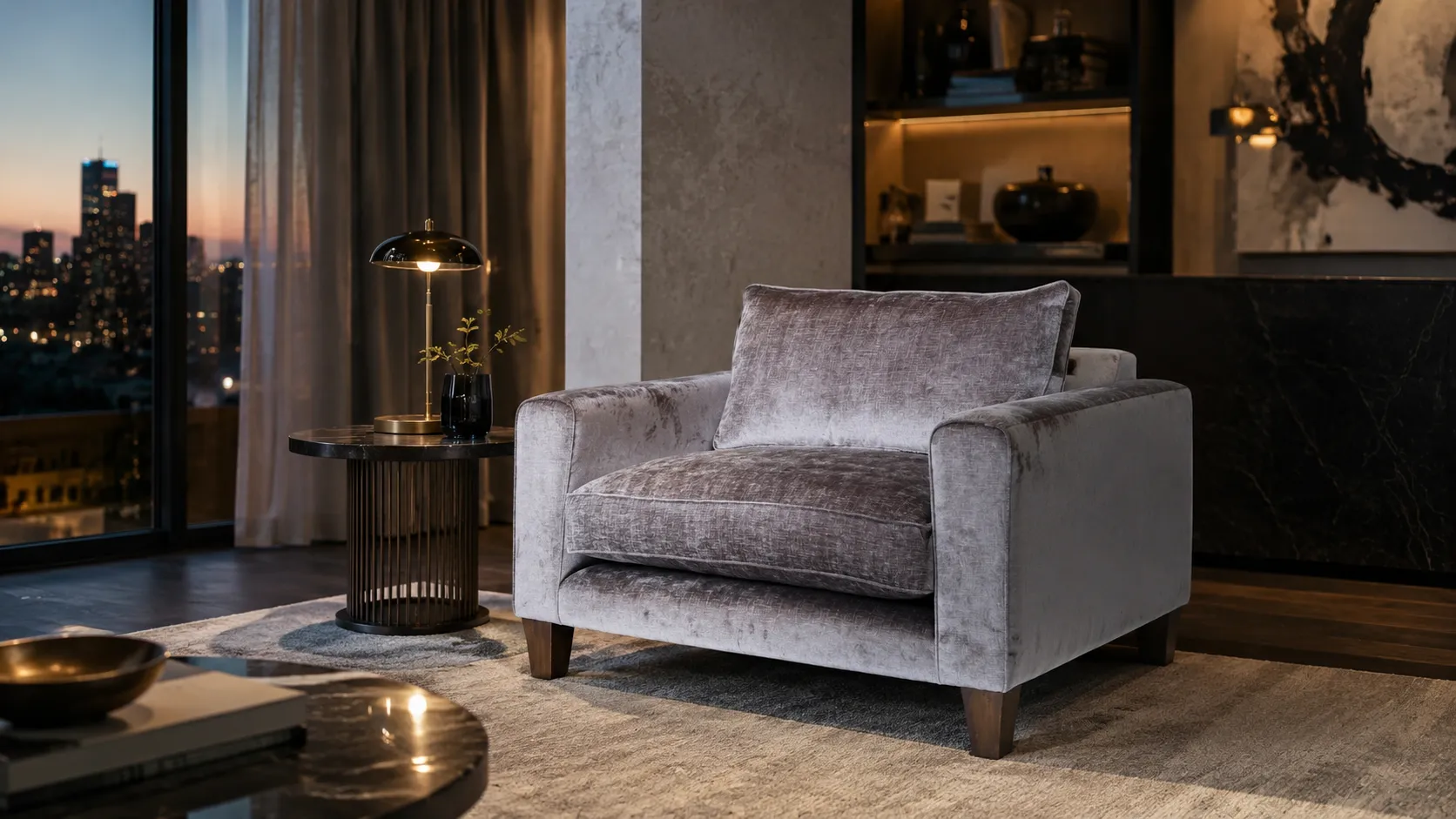
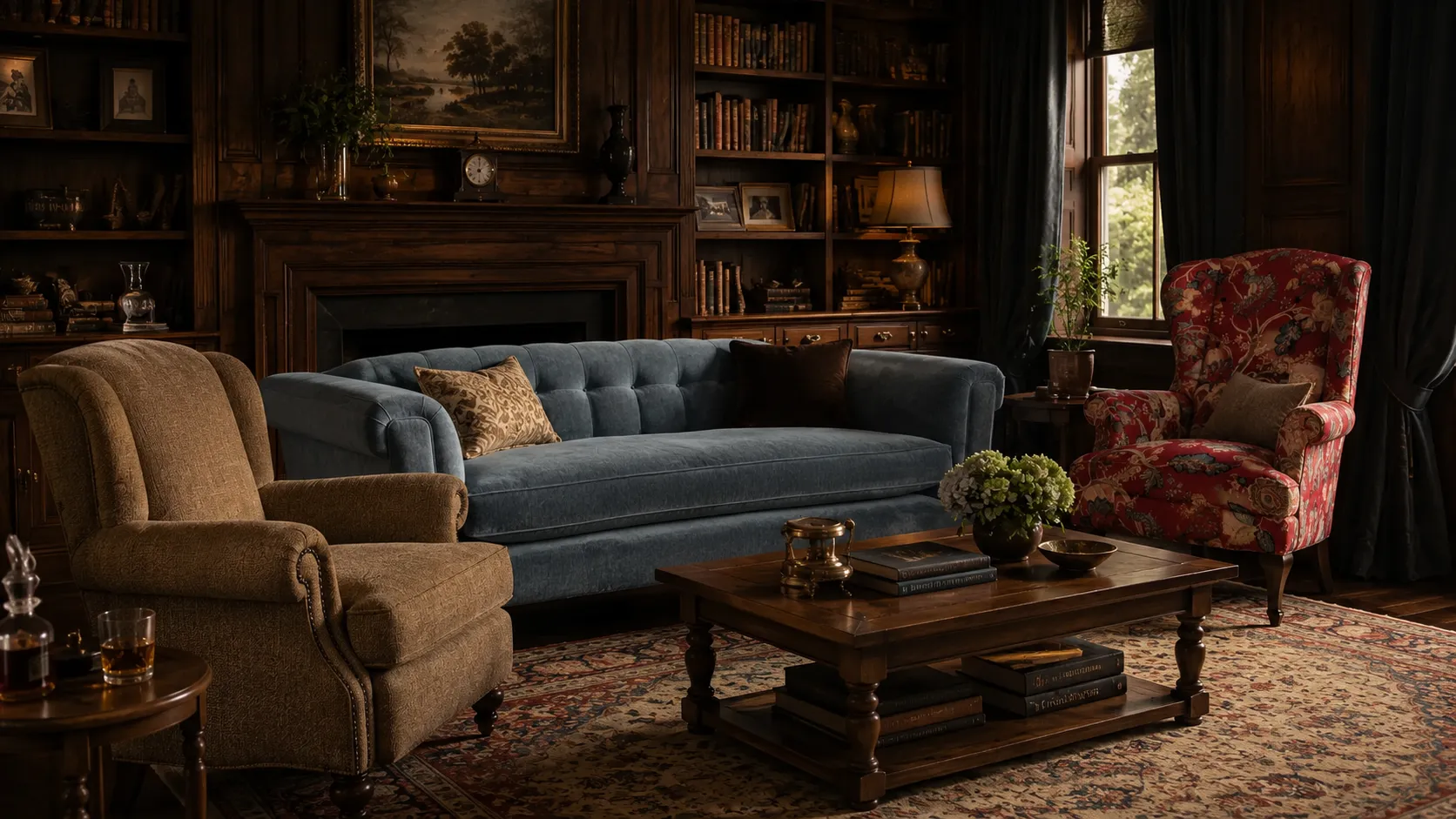
In 1953, in the heart of Britain's upholstery capital, John H. Sankey established what would become one of the country's most respected furniture makers.
After more than seventy years, the furniture, workshops, and people have evolved. But the principles remain unchanged.
Build it properly. Build it beautifully. Build it to last.
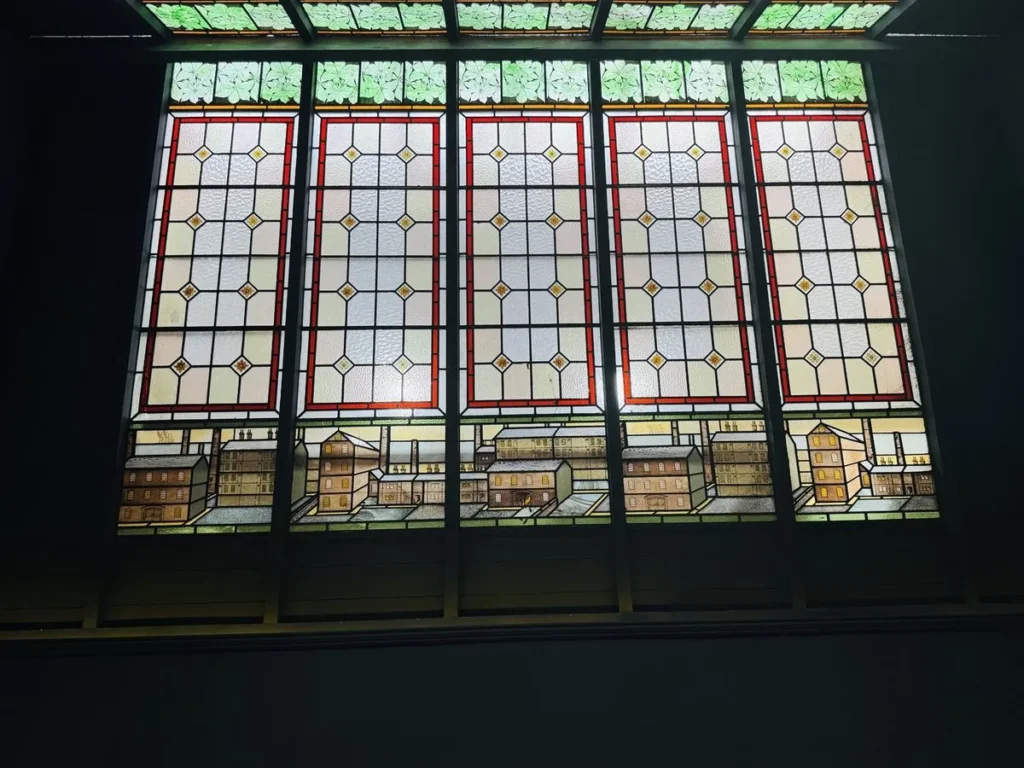
Looking down from the John Sankey showroom is a stained glass window depicting the historic mill buildings that helped shape Long Eaton.
When Nottingham's lace industry declined, skilled craftsmen turned to furniture, making Long Eaton Britain's upholstery capital – a heritage John Sankey has proudly continued since 1953.
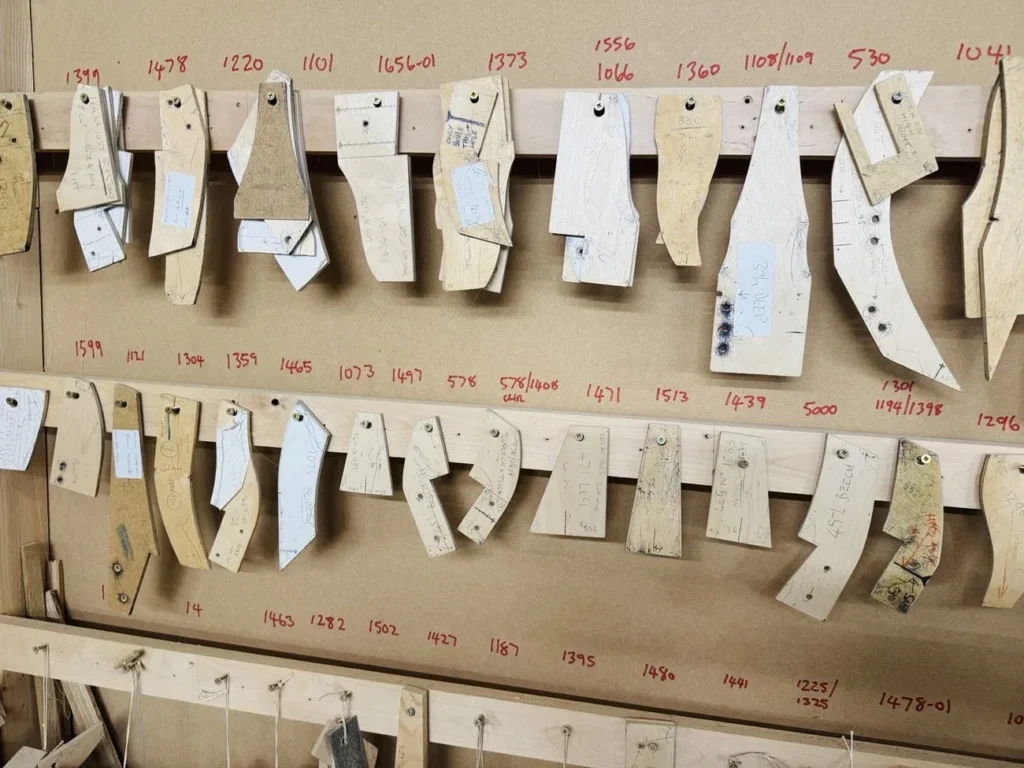
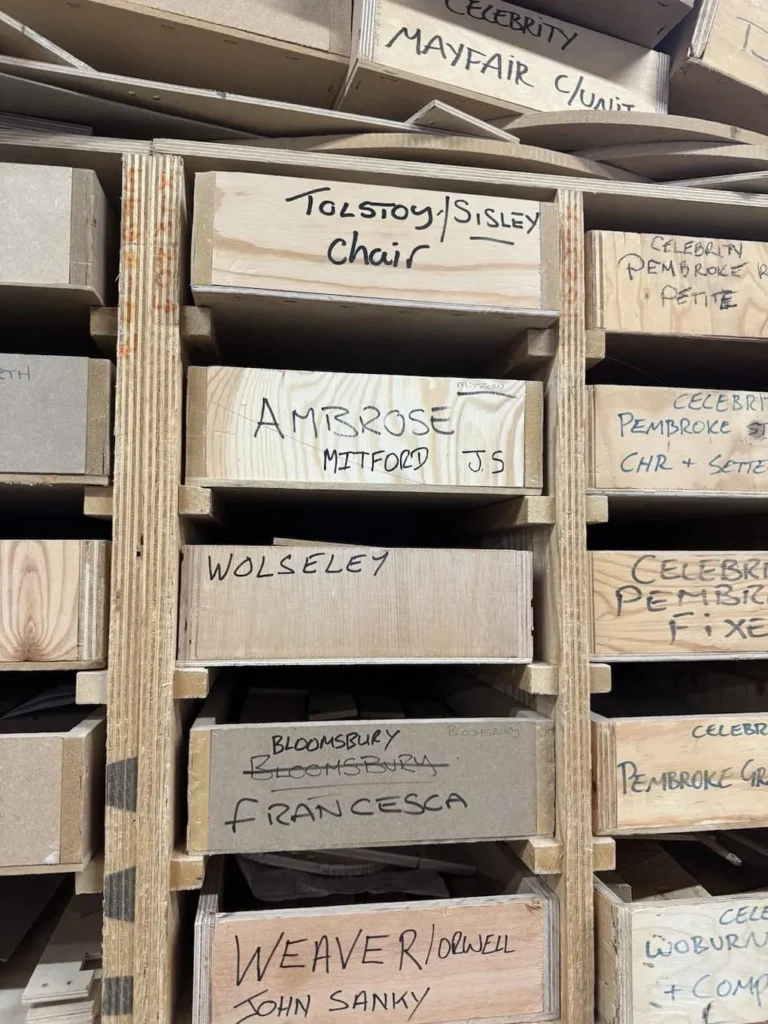
The Wall of Patterns
Hidden inside the workshop is a wall of patterns accumulated over decades. Every chair, sofa, and ottoman begins here – each pattern representing a design, a collection, or a story that has guided craftsmen for years. Customers see the finished furniture, but the workshop sees the pattern first.
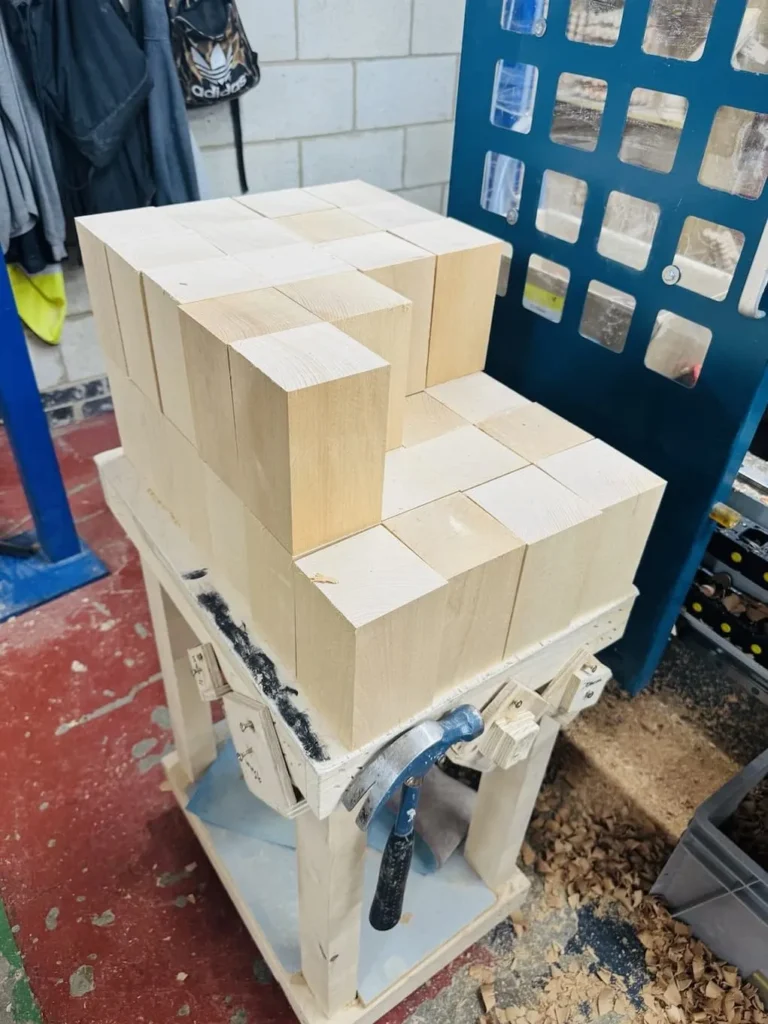
The Making of a Detail
Most people overlook furniture legs until they fail. In the Woodmill, a simple timber block is turned, sanded, and polished and becomes part of the finished piece—showing that quality lives in the details most never see.
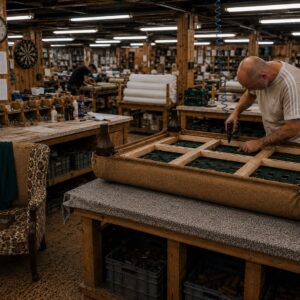
Nothing Moves Until It's Right
Some of the simplest-looking equipment in the workshop performs some of the most important work.
Holding. Aligning. Shaping. Perfecting.
Not glamorous. Not visible. But essential.
The Names Behind The Collection
Tolstoy. Sisley. Ambrose. Wolseley. Francesca.
To most people they're simply names written on workshop drawers.
To us they're part of the history of the factory. Inside each drawer are patterns, templates and details connected to designs developed over many years.
Together they form a living archive of furniture making.