Before the fabric. Before the foam. Before the buttons.
Most people never see where furniture begins.
There is the workshop.
They see the finished sofa. The finished chair. The finished room. What they rarely see is the timber, the patterns, the machinery, the craftsmen, and the hundreds of small decisions that transform raw materials into something designed to live in a family home for decades.
This week, we’re opening the workshop doors — not simply to show how furniture is made, but to show the standards behind it.
A Celebration Of Excellence
What British craftsmanship has always stood for.
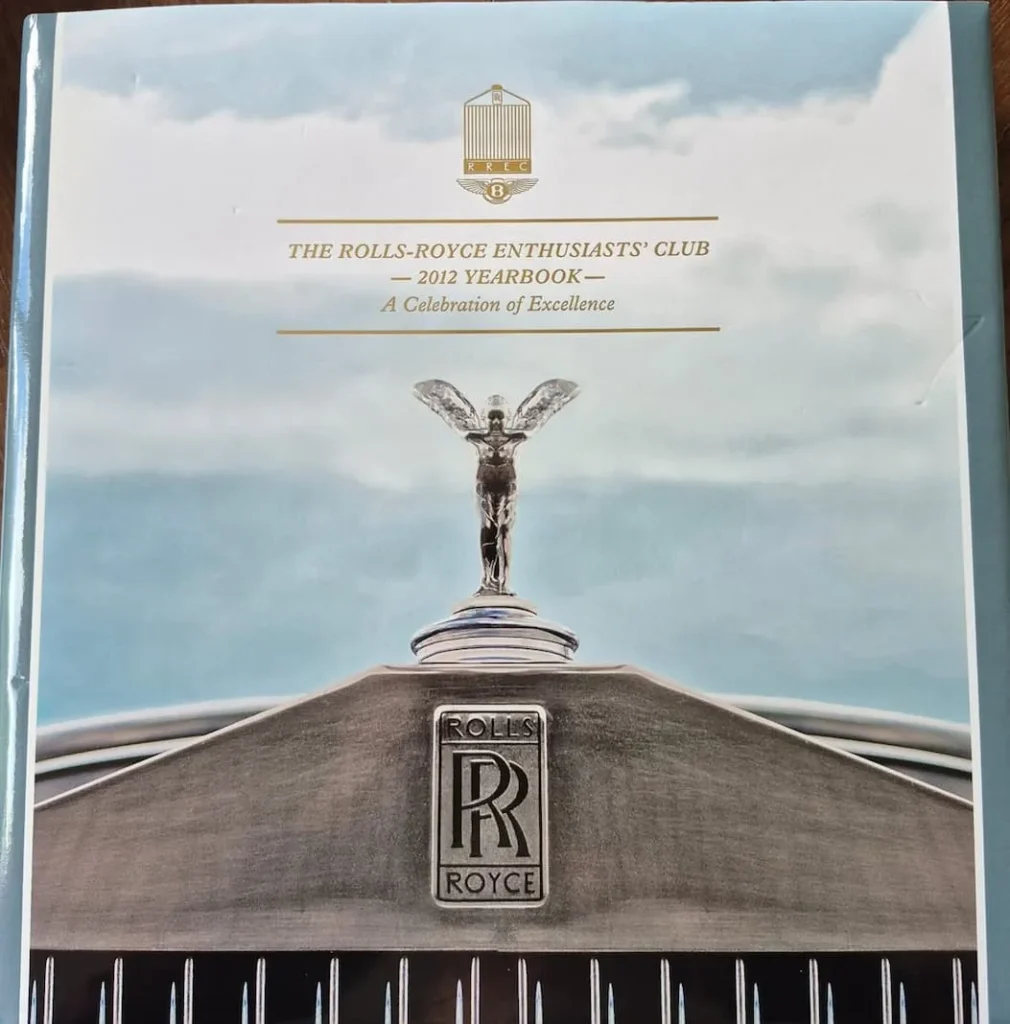
This week, while looking through archive material connected to John Sankey, we came across something that stopped us.
The Rolls-Royce Enthusiasts’ Club 2012 Yearbook. Its title was simple:
A Celebration of Excellence.
Not speed. Not luxury. Not status.
Excellence.
That word matters. Because the best British makers have never simply made products. They have made standards.
A Rolls-Royce bonnet ornament. A hand-cut pattern. A turned wooden leg. A frame being clamped until it is right.
Different worlds, perhaps. But the same idea underneath.
Do it properly. Care about the details. Respect the craft. Make something that lasts.
Welcome Home
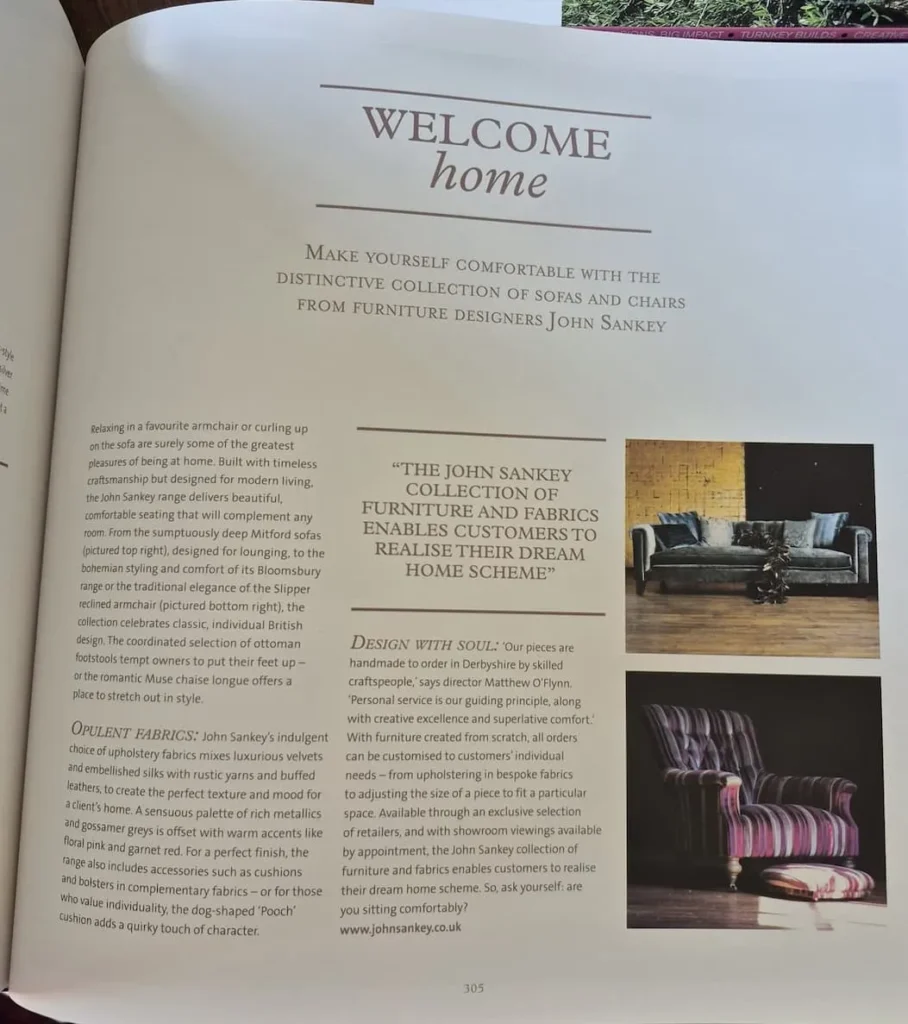
Inside the same yearbook, John Sankey appeared under a simple heading:
Welcome home.
The page described furniture made with timeless craftsmanship, personal service, and design with soul.
More than a decade later, those words still feel right.
Because before a John Sankey piece becomes part of a room, it begins here — in the workshop. With timber. With patterns. With fabric. With skilled hands. With hundreds of decisions most people will never see.
From Block To Leg
Most people never think about furniture legs.
Until they’re badly made.
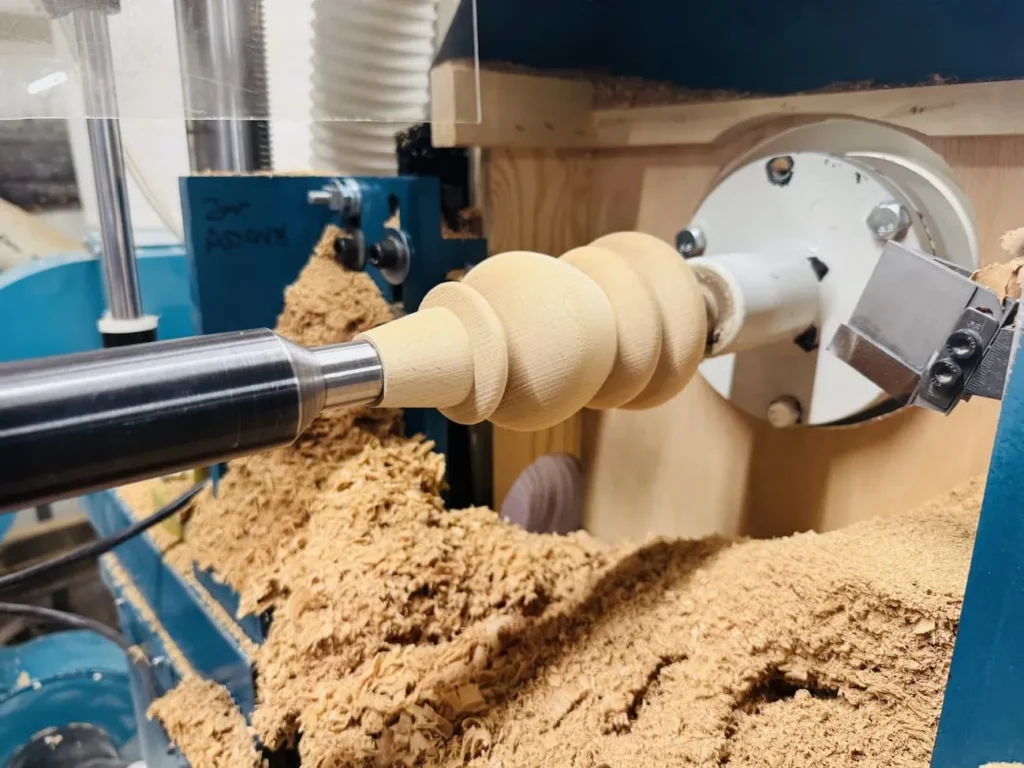
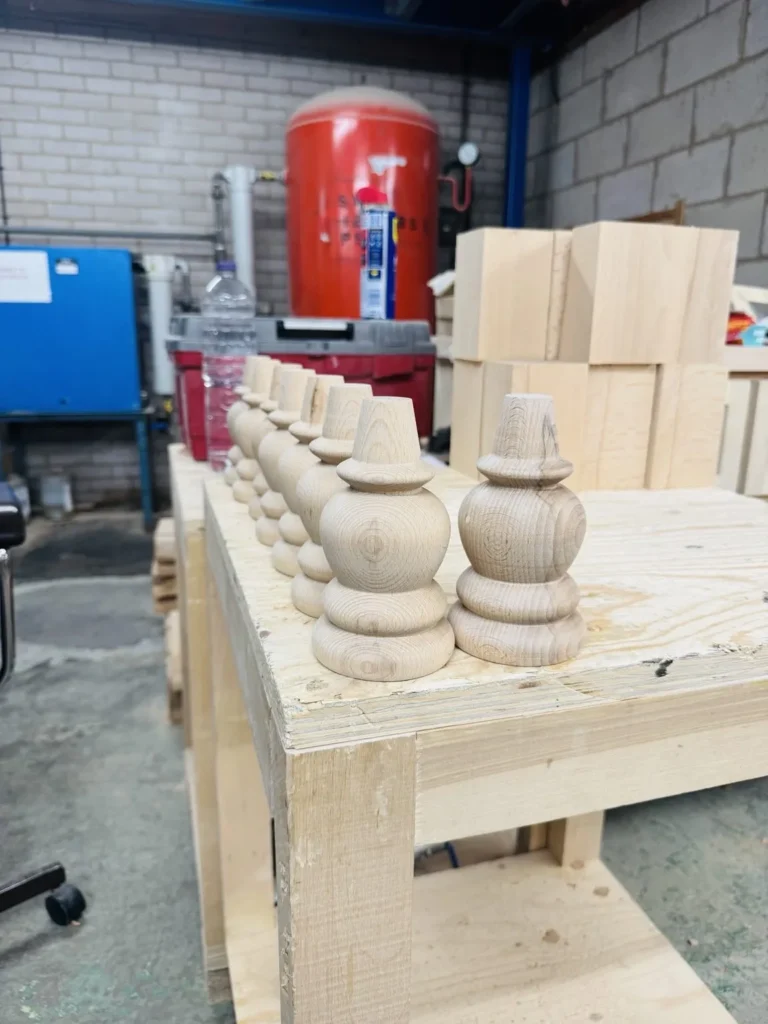
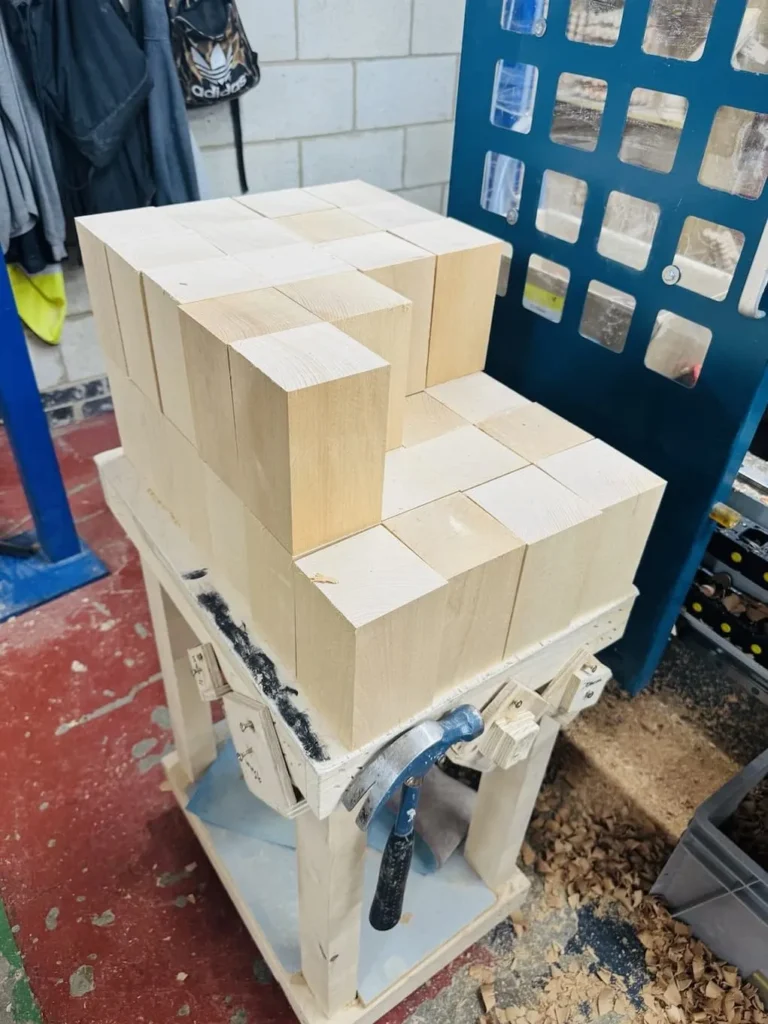
In the Woodmill, furniture begins as simple blocks of timber. What starts as a square block becomes a turned component. Then a sanded component. Then a polished component. Then finally part of a finished piece of furniture.
A small detail perhaps. But furniture is built from hundreds of details. And quality is often found in the details nobody notices.
Before Furniture Exists
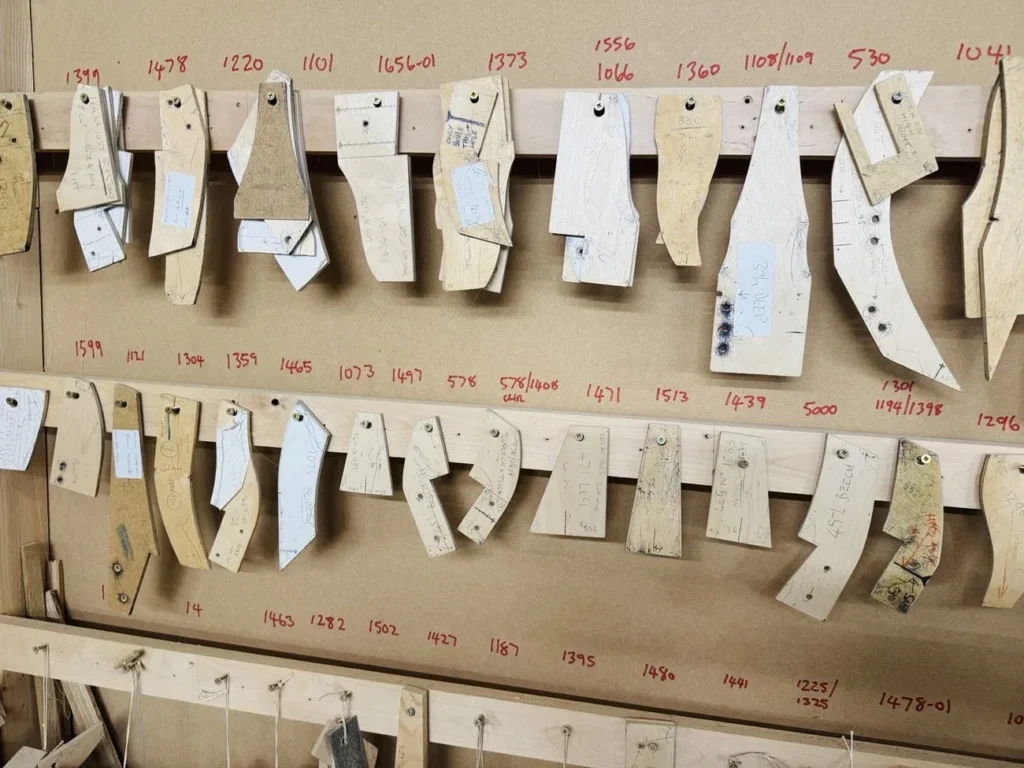
Hidden inside the workshop is a wall most visitors never see. Hundreds of templates. Some old. Some new. Each one represents a shape that once existed only in someone’s imagination.
The pattern comes first.
For decades, these patterns have quietly guided craftsmen in turning ideas into furniture
A History Of Designs
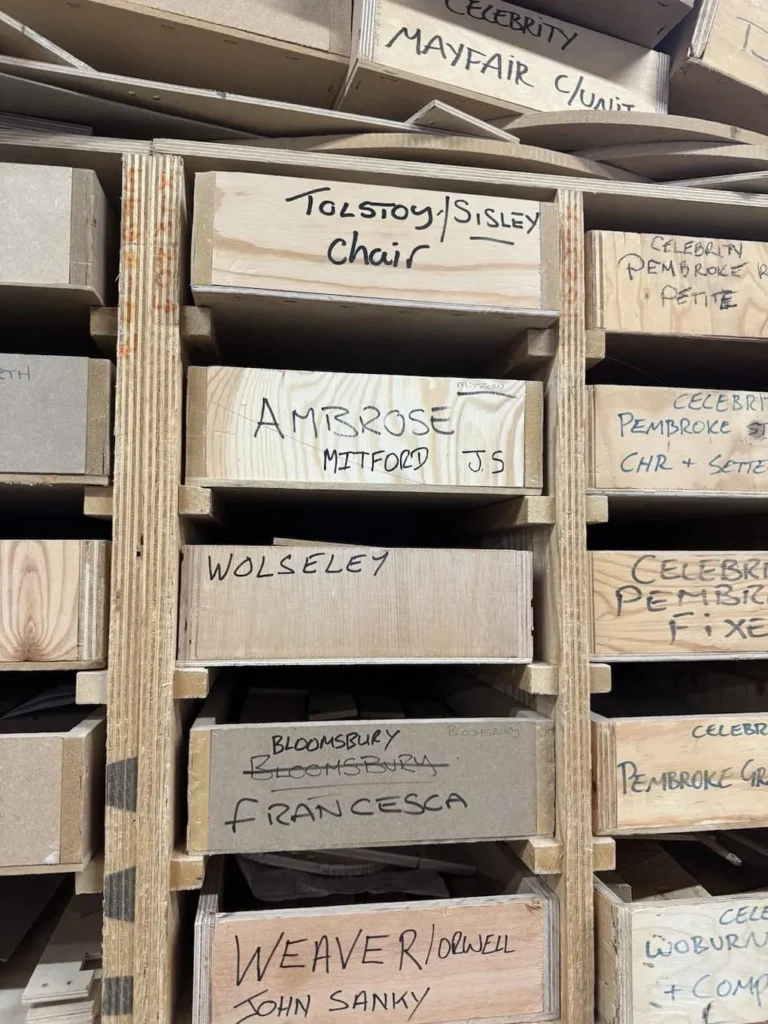
Tolstoy. Sisley. Ambrose. Wolseley. Francesca.
To most people they are simply names. To us they represent conversations. Ideas. Sketches. Experiments. Design journeys.
Every drawer represents a design. Every design represents a conversation. Every conversation began with somebody wanting to create something beautiful.
Nothing Moves Until It’s Right
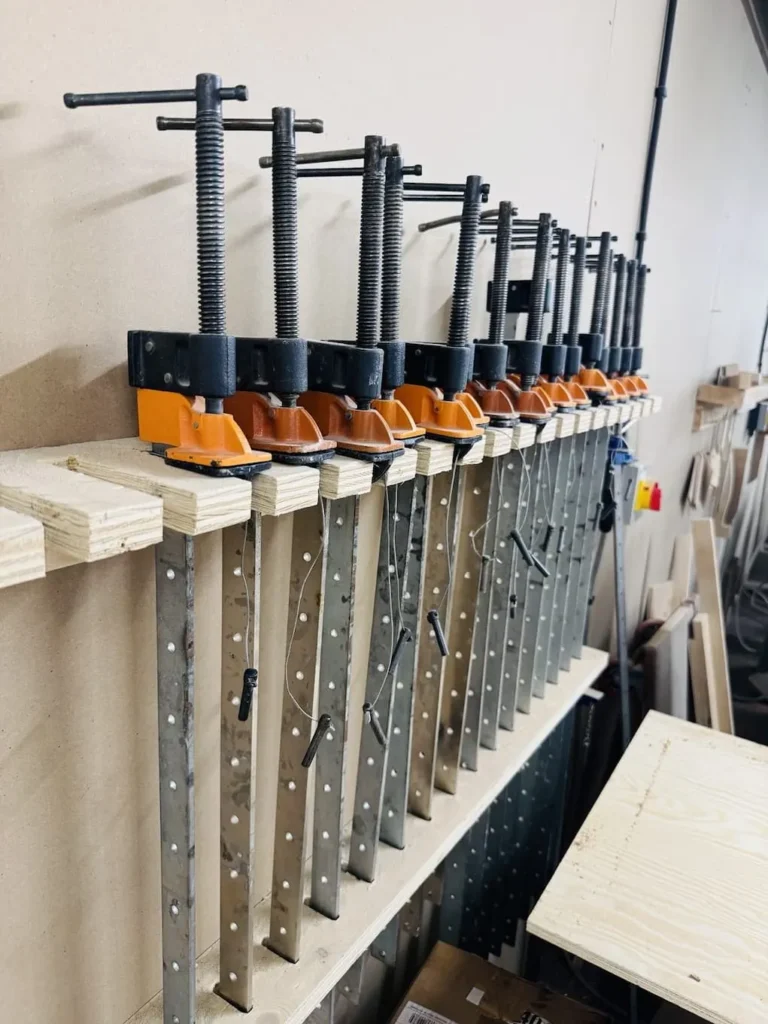
Some tools have been used in furniture making for generations. They hold. They secure. They wait.
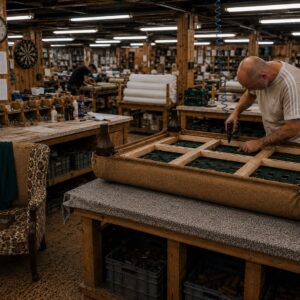
Frames are assembled. Checked. Adjusted. Checked again. Then held firmly while the structure settles into place. Patience isn’t often associated with manufacturing. But the best furniture has always required it.
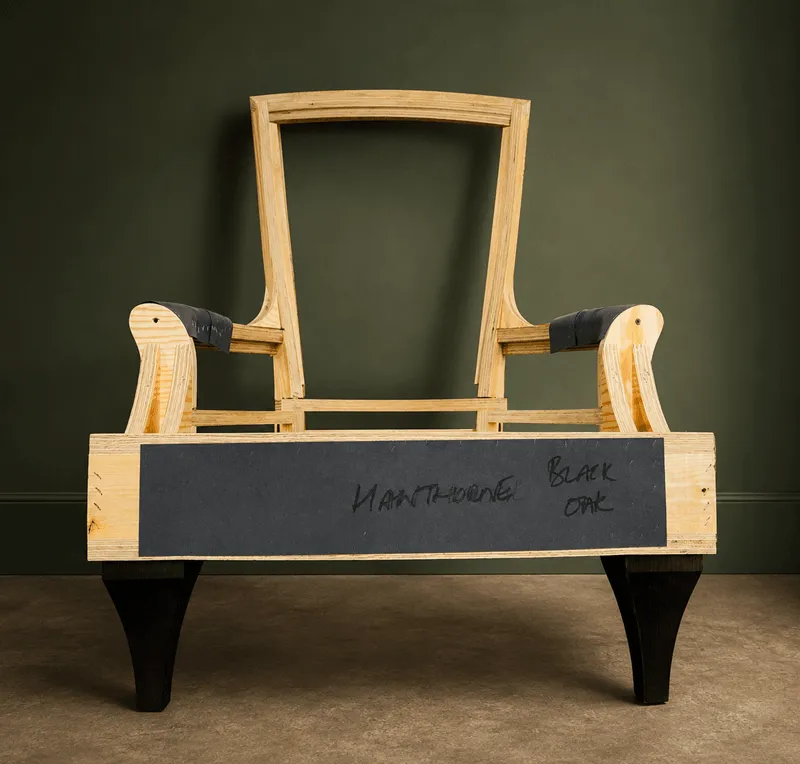
Before The Fabric
Before the fabric. Before the cushions. Before the comfort.
There is the frame.
Strong. Simple. Purposeful.
At this stage it doesn’t look like furniture. Yet every finished piece begins exactly like this: a structure built to support everything that follows.
The Art Of Coming Home
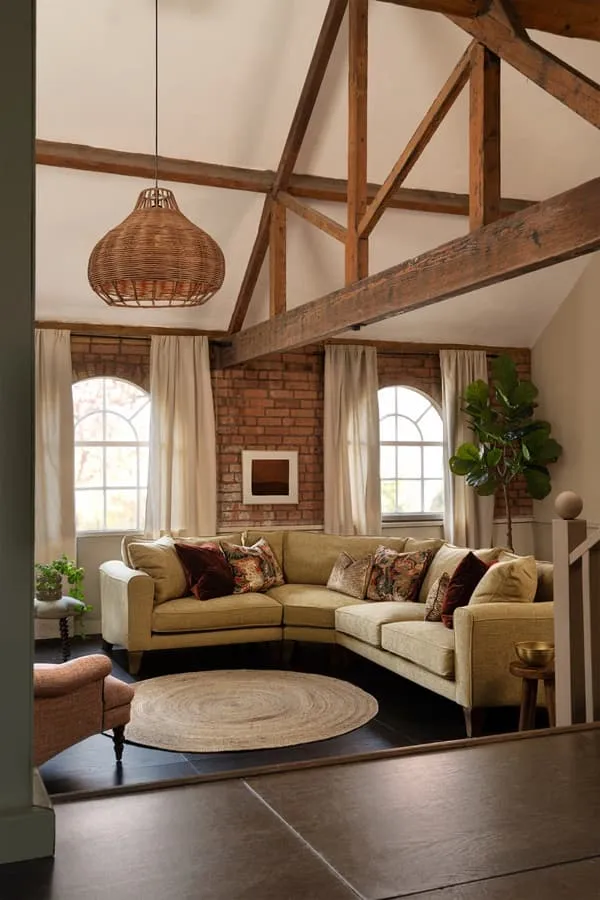
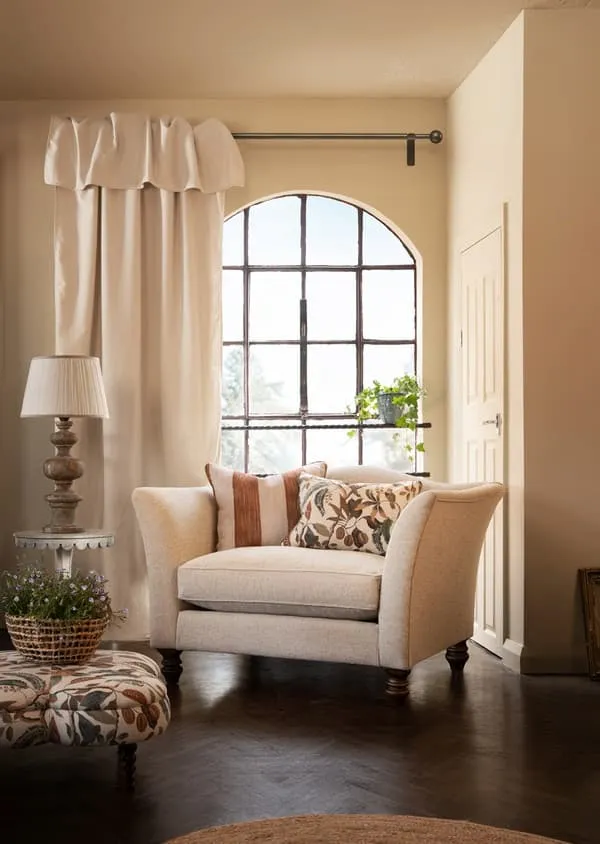
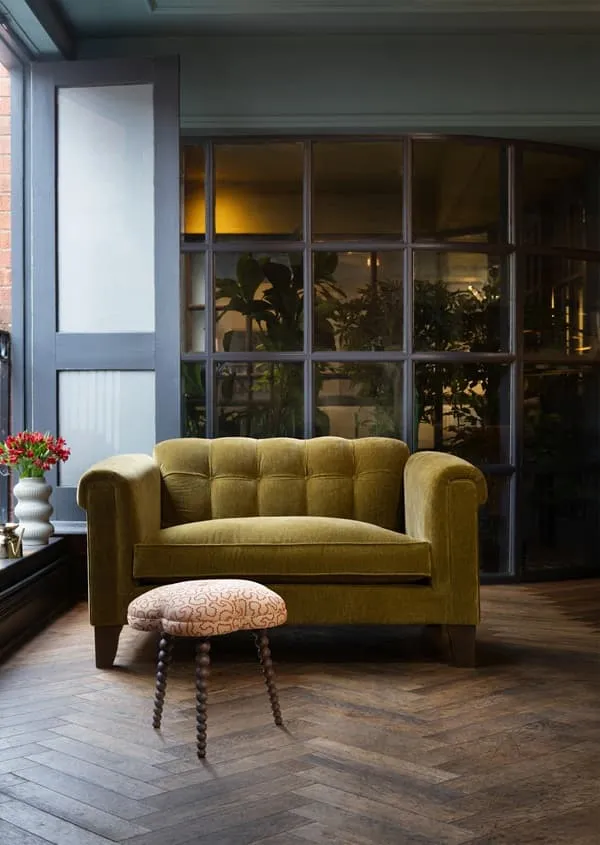
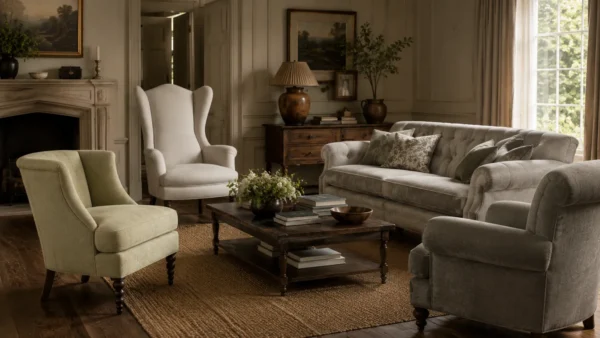
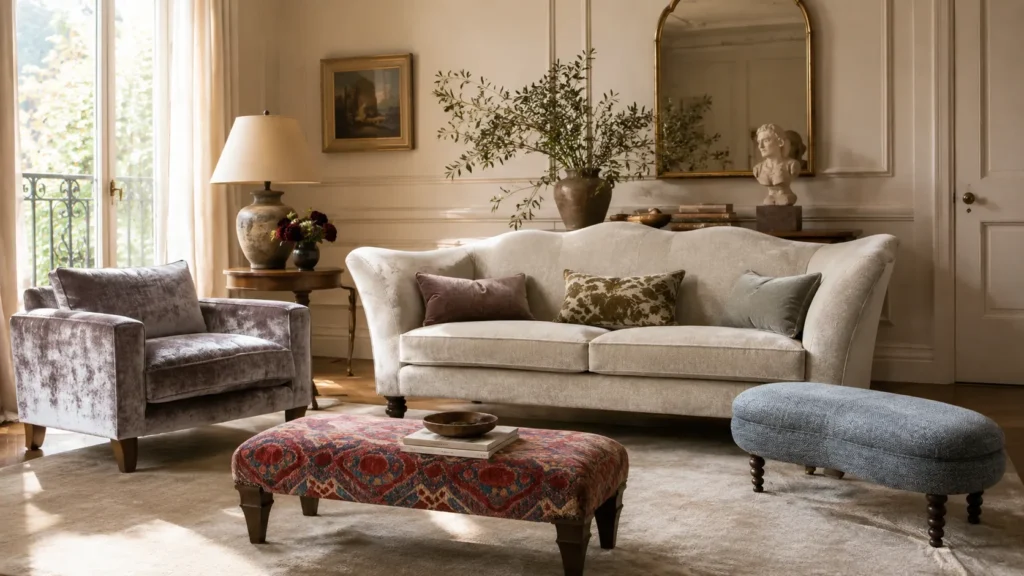
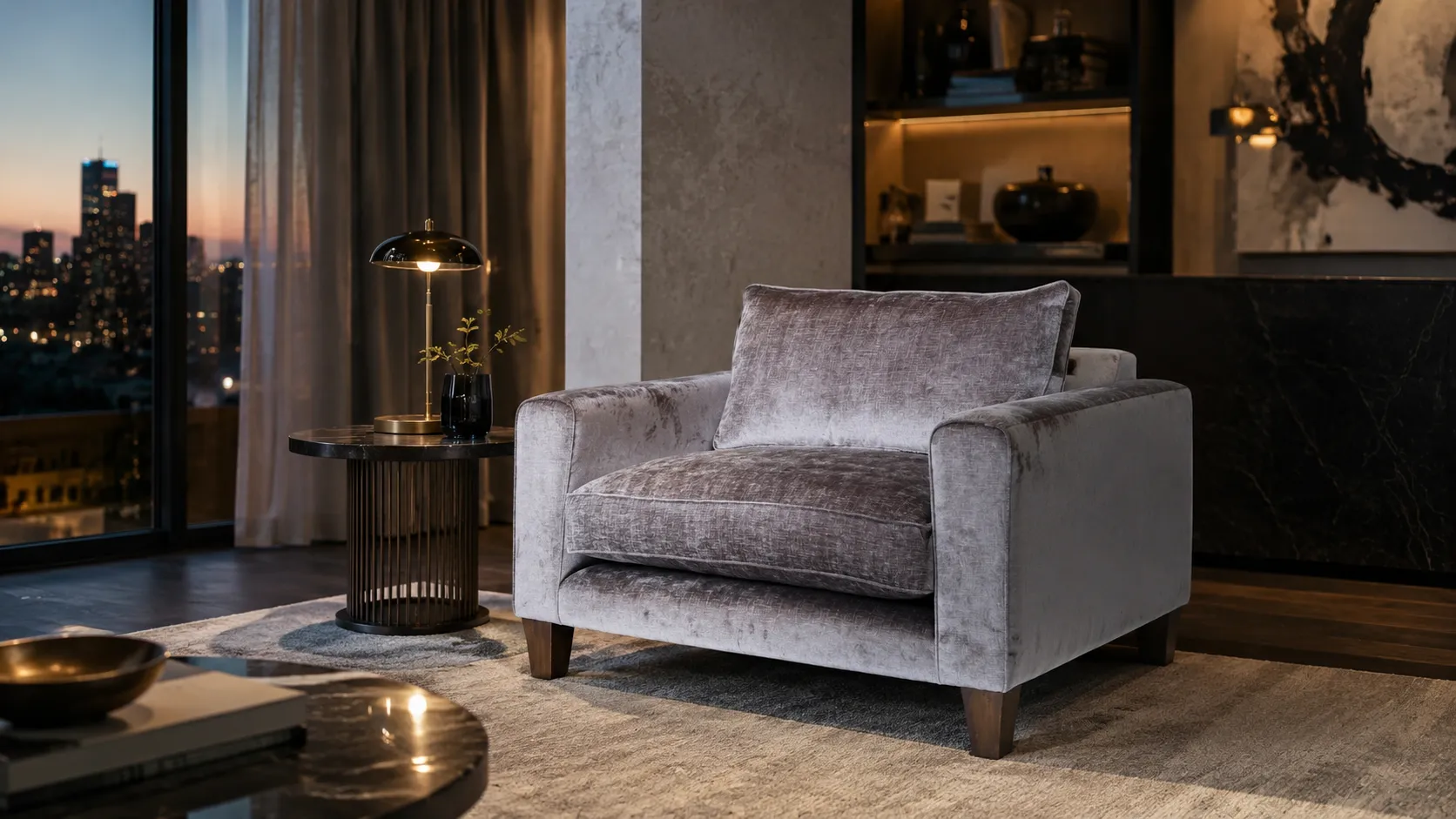
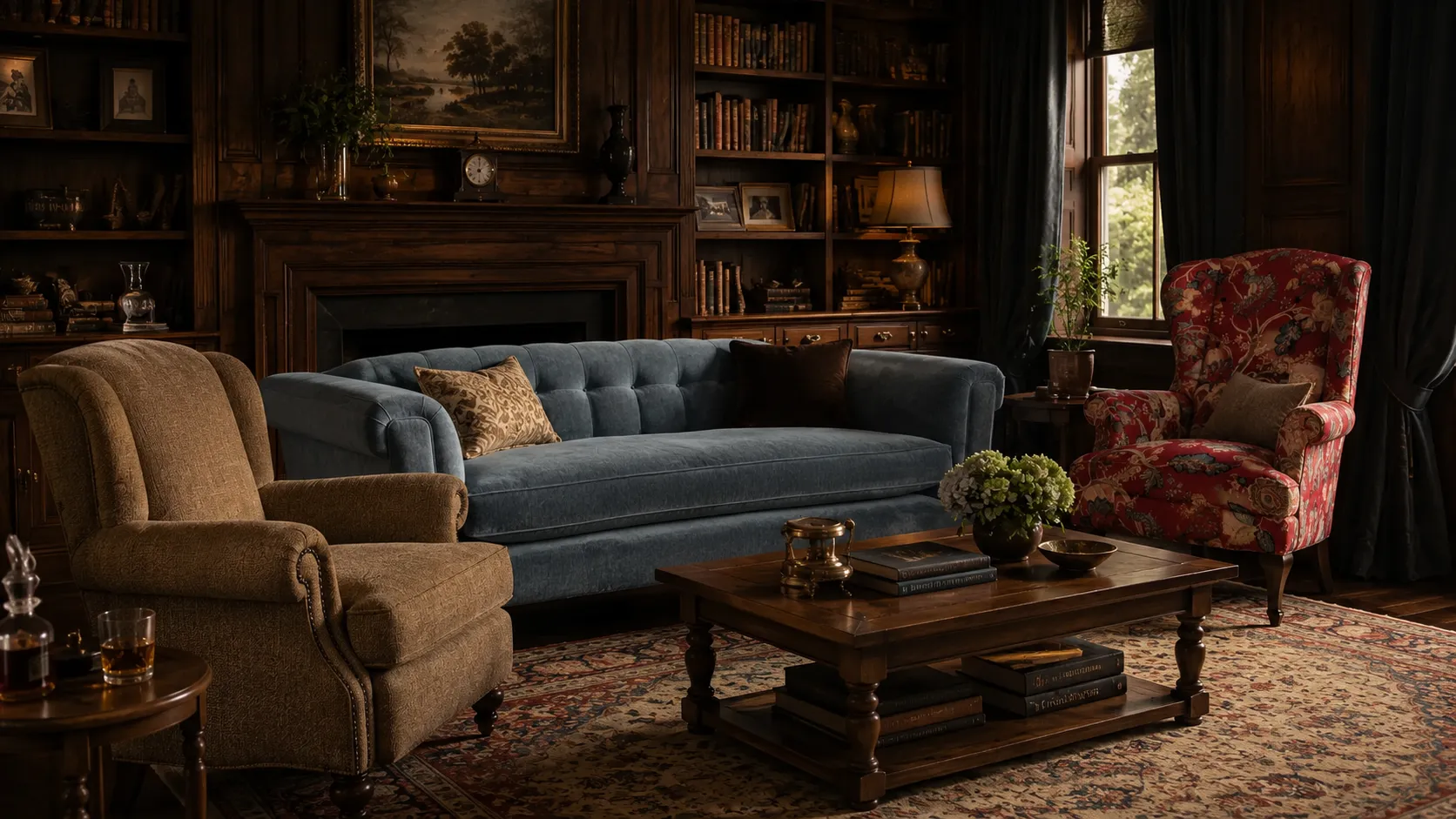
The best rooms are never designed around furniture. They’re designed around life.
The conversations. The rituals. The moments that become memories.
ROOMS WORTH LIVING IN
What makes a room memorable isn't size. Its soul.
DESIGN WITH SOUL
Why the most beautiful homes feel collected, not decorated
CRAFTSMANSHIP, LIVED IN.
The role of craftsmanship after it leaves the workshop.