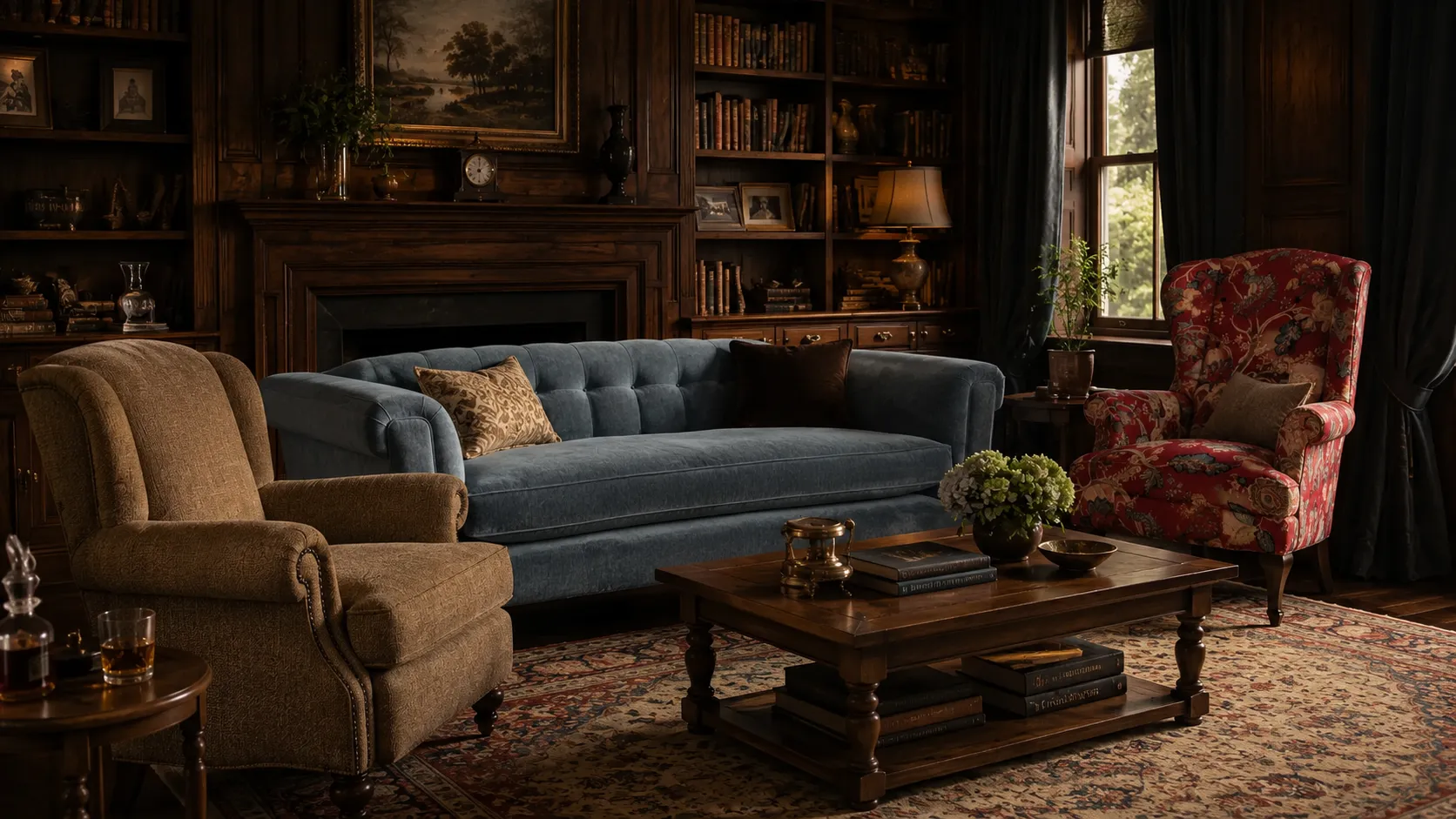
The psychology behind why humans naturally gather in familiar spaces.
Nobody decides which room will become the heart of a home. It simply happens.
When a family first moves in, every room carries the same promise. The sitting room. The kitchen. The dining room. Each waits patiently for life to arrive.
For a while, they all seem equally important. Then, almost without anyone noticing, one room begins to pull ahead. Not because it is the biggest. Not because it cost the most. Because life quietly starts collecting there.
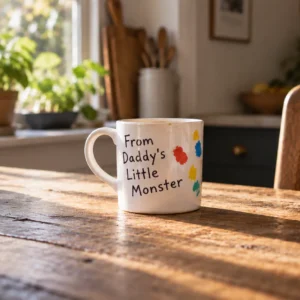
A mug is left on the table because someone knows they’ll be back in a minute. A blanket finds its way over the arm of a chair and is never folded away again. The newspaper stays open halfway through the crossword. A pair of reading glasses appears on the windowsill. Without ever being told, the dog chooses the same corner every afternoon.
Nobody planned any of it. Yet somehow, everyone begins returning to the same place.
Memory does not organise itself around floor plans. It organises itself around moments.
It isn’t only families that notice. Visitors do too. They arrive at the front door, exchange greetings, and within minutes find themselves in that room. No one points the way. The room seems to introduce itself.
Children instinctively carry their toys there. Teenagers drift in, pretending not to want company, before staying longer than they intended. Even people returning after years away somehow end up sitting in exactly the same place they always did. As though the room had been quietly waiting for them.
There is something deeply human about this. We are drawn to places that ask nothing of us. Places where we know where the light falls in the afternoon. Where the kettle can be heard beginning to boil. Where the chair creaks in a familiar way. Where silence never feels awkward.
Comfort is rarely dramatic. More often, it is simply familiar.
The room everyone chooses is rarely the room that looks the most impressive. It is the room that feels the most forgiving. The room where shoes are kicked off without thinking. Where somebody curls their feet beneath them. Where a book can be left unfinished because everyone knows it will still be there tomorrow.
Perhaps that is the real purpose of a home. Not to impress the people who visit once, but to welcome the people who return every day.
Because years from now, nobody will remember why that room became the room everyone chose. They will simply remember that it was. And perhaps that is what home has always been. Not the room we carefully designed. The room that quietly chose us.
JOIN THE SANKEY LIST
This Week’s Editorial Discovery
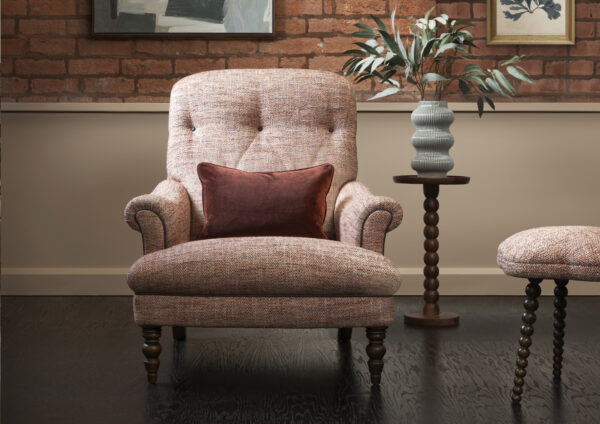
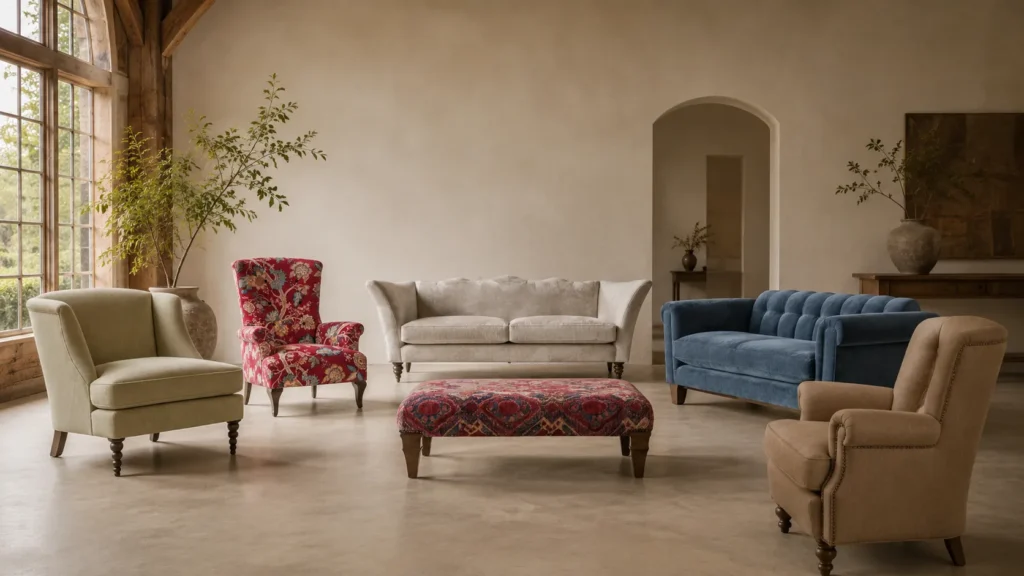
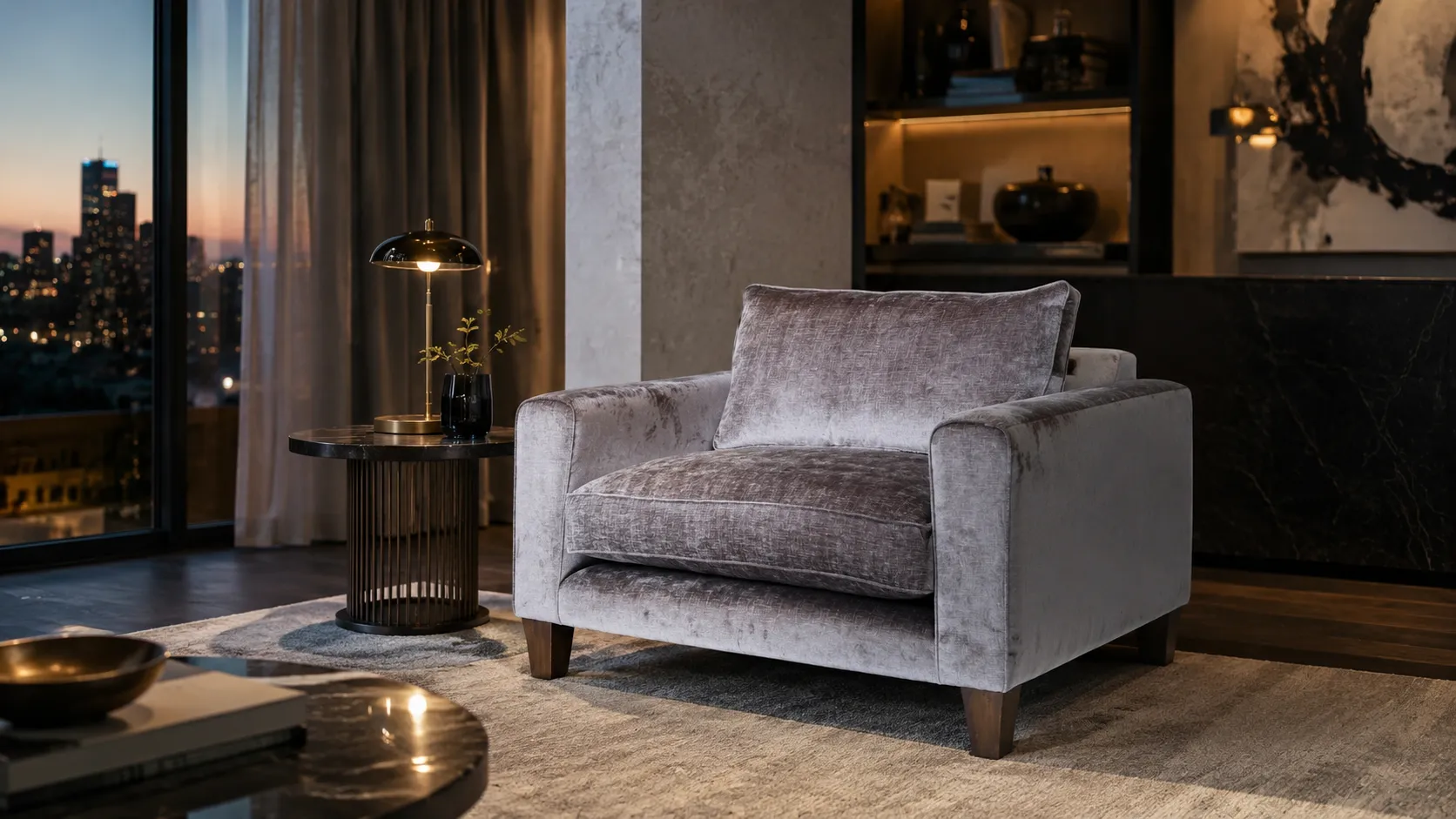
Some furniture fills a room. The pieces we return to, year after year, quietly become part of the life unfolding around them. This week, we’ve chosen three pieces that feel perfectly at home in The Room Everyone Chooses.
DISCOVER THE PIECES