The first cup of tea is rarely about tea. It is about the quiet permission to begin again.
There is a moment, every morning, when the house belongs to no one and everyone at the same time.
The curtains are still half closed. The kettle begins its familiar murmur. Floorboards creak softly beneath unhurried footsteps.
Outside, the world has already started asking for our attention. Inside, for just a little longer, it can wait.
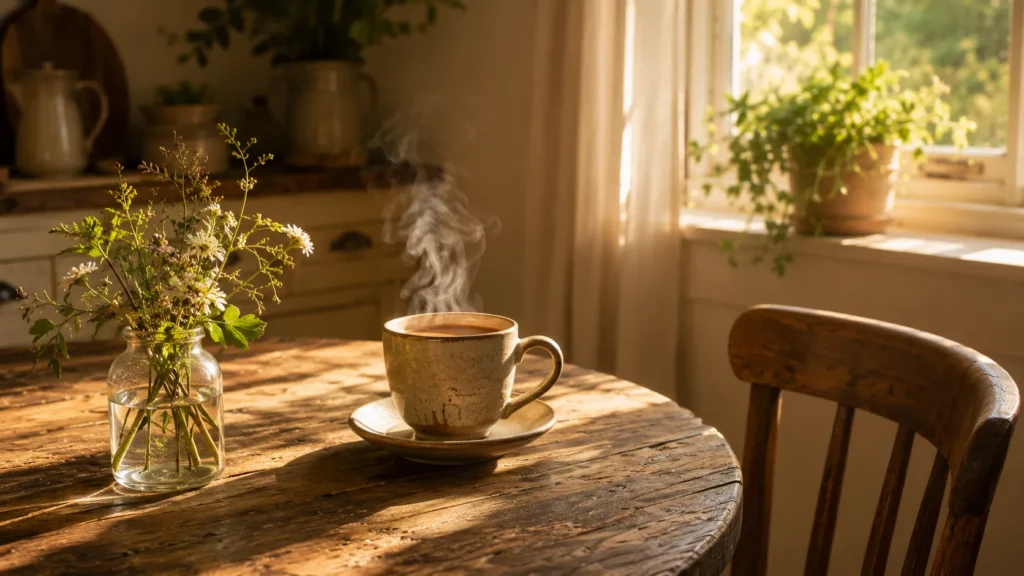
A mug is lifted from the cupboard without thinking. The same one as yesterday. Perhaps the same one for years.
The tea is poured. Milk follows. Hands wrap themselves around the warmth almost instinctively.
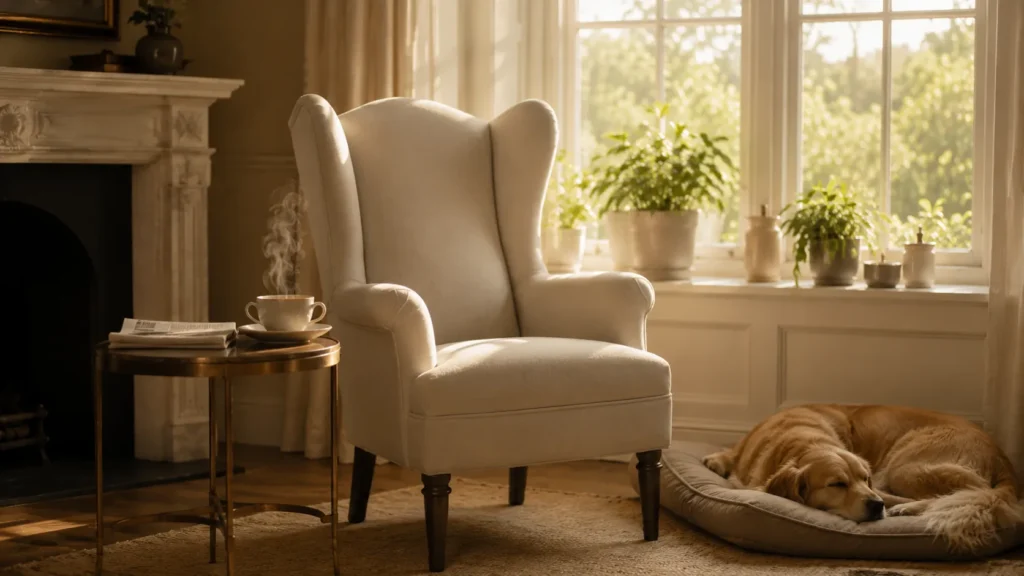
Across the room, the dog lifts its head. Not because it wants to go outside just yet. Not even because it expects breakfast.
It has simply learnt that this is how every good day begins.
Nothing remarkable has happened. Yet something important has.
The day has begun
Not with noise. But with ritual.
There is a tendency to believe that the moments defining our lives are the obvious ones.
Birthdays. Weddings. New homes. Family celebrations. The photographs we carefully preserve.
Yet when people remember the homes that shaped them, those grand occasions are rarely the first memories to appear.
Instead, they remember mornings
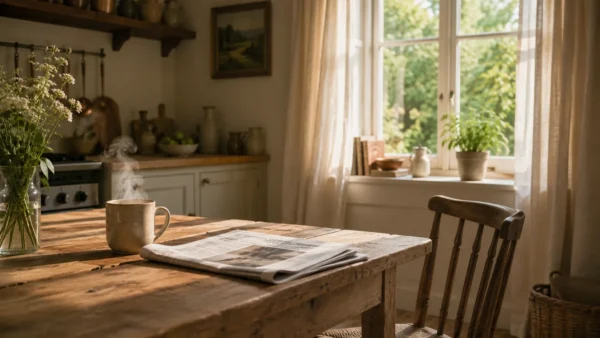
A parent already awake in the kitchen. The smell of toast drifting upstairs. The gentle whistle of the kettle. The newspaper folded open across the table.
The dog lying patiently beneath the chair, quietly watching the room come to life.
These moments seemed ordinary at the time. Only later do we realise they were quietly extraordinary.
Because they happened so often that they became part of who we are.
Perhaps that is what ritual really is
Not repetition. Recognition.
A ritual reminds us that, despite everything changing around us, some things remain reassuringly familiar.
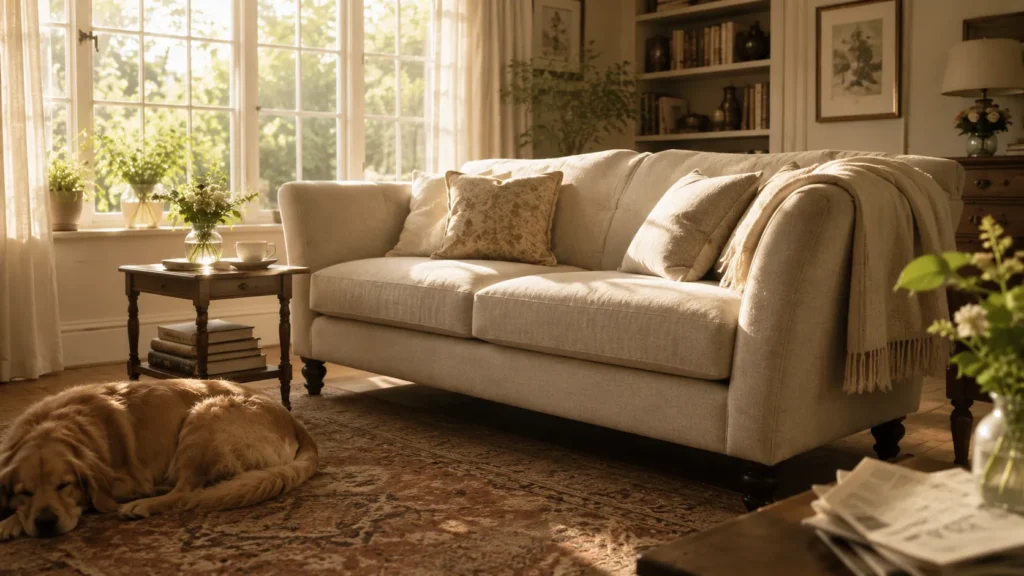
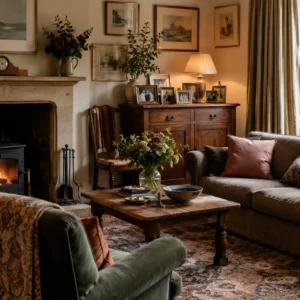
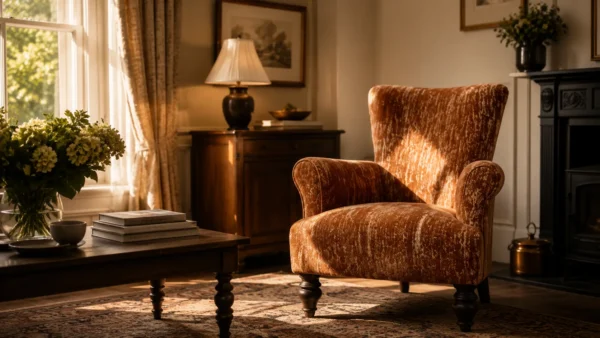
The favourite chair. The familiar mug. The view from the same window. The quiet corner where the morning light always arrives first.
Even the dog already knows where everyone will sit before they do.
These things anchor us. Not because they are expensive. Not because they are perfect.
Because they are ours.
Furniture has always played a quiet role in these rituals
Not as the centre of attention. As the silent companion to life’s ordinary moments.
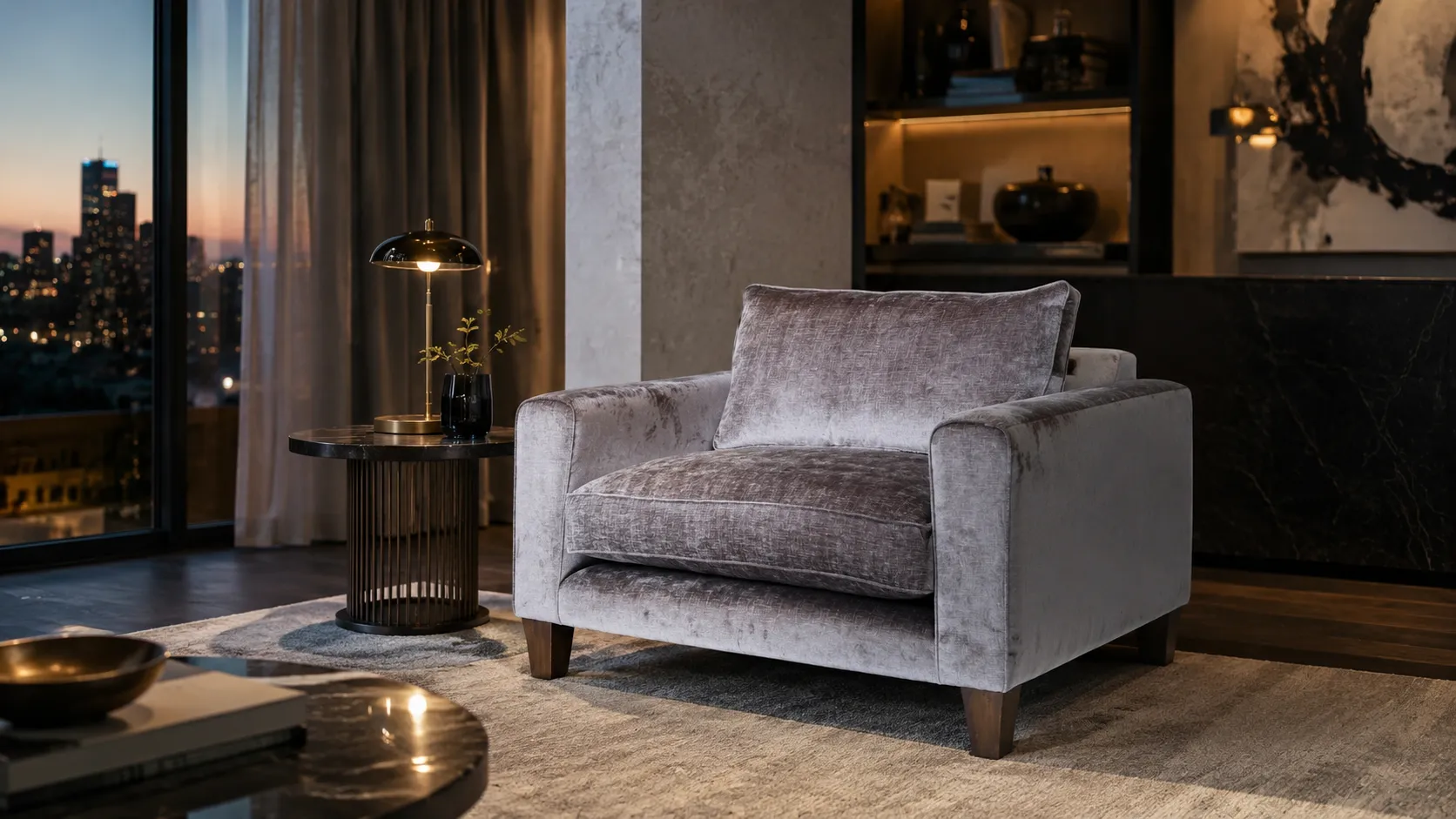
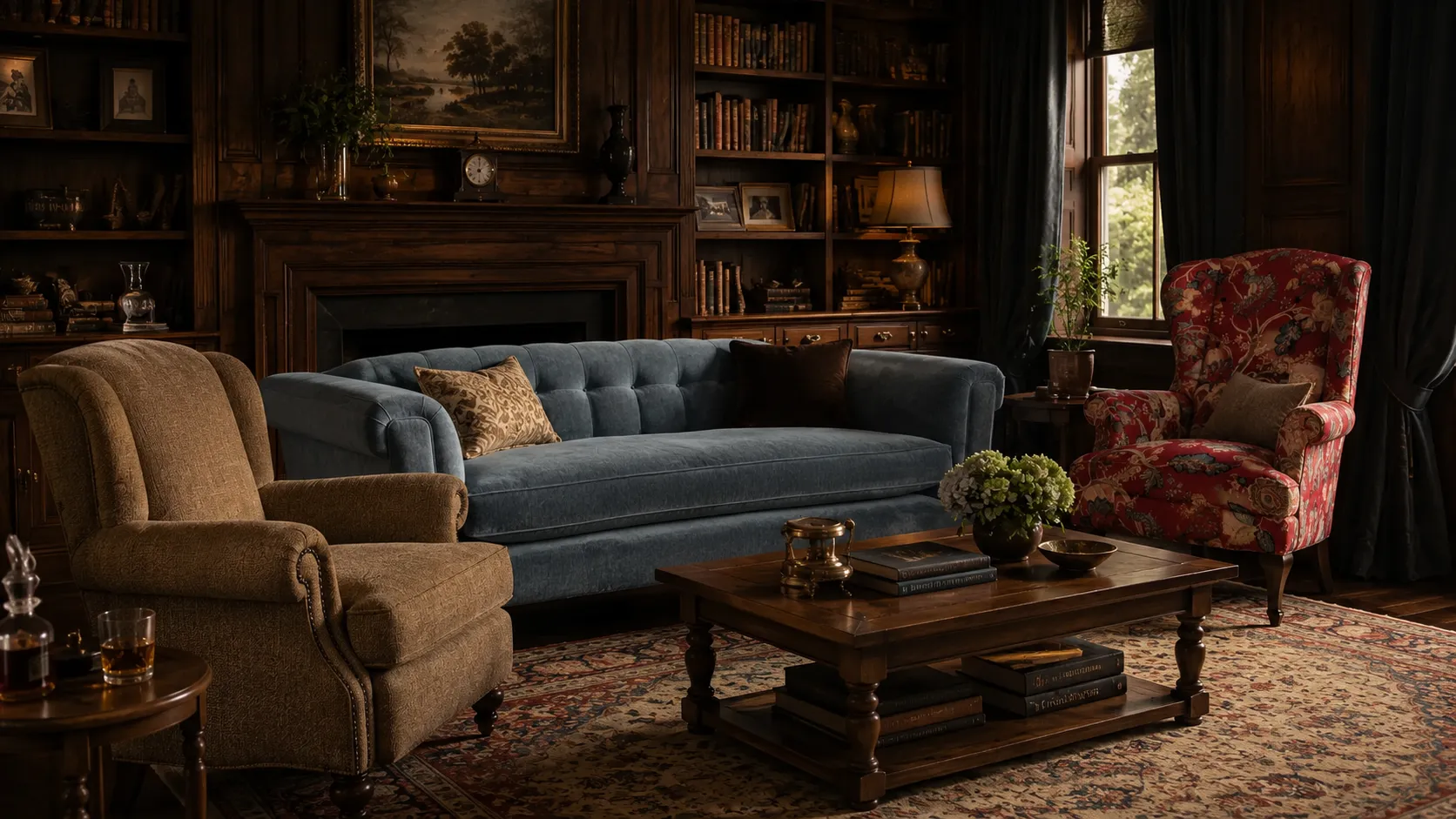
The chair waiting beside the window. The table carrying the first cup of tea. The worn leather arm where a newspaper has rested for decades.
The furniture itself is almost invisible. And perhaps that is its greatest achievement.
The best furniture never demands attention. It simply supports the life unfolding around it.
The older we become, the more precious these rituals seem.
As children, we hardly notice them. As adults, we begin to depend upon them. As we grow older still, we realise they were among the most valuable things we ever inherited.
Not objects. Ways of living.
The knowledge that every morning begins gently. That conversation is more important than hurry. That home is built long before anyone leaves for work.
A home becomes beautiful because life quietly settles into it
It is tempting to imagine that a beautiful home is created through dramatic design.
The perfect paint colour. The ideal sofa. The carefully chosen artwork.
These things matter. But they are not what make a house feel lived in.
A home becomes beautiful because life quietly settles into it.
Because mugs leave faint rings on wooden tables. Because newspapers are folded into familiar shapes. Because cushions never quite return to perfect symmetry.
Because someone always chooses the same chair. Because another person always opens the curtains. Because the kettle is always the first thing switched on.
Because, somewhere nearby, the dog sighs contentedly, certain that everything is exactly as it should be.
The beauty is not found in the objects. It is found in the repetition.
There is something deeply comforting about knowing that somewhere, this morning, countless homes are following the same rhythm.
Someone is making tea. Someone is reading quietly. Someone is waiting for the rest of the house to wake. Someone is enjoying the only silence they will have all day.
A dog is watching the first person awake, tail gently tapping the floor, content simply because the people it loves are together again.
Different houses. Different families. Different lives.
Yet the same quiet ritual
Perhaps that is why these moments feel universal.
Not because everyone drinks tea. But because everyone understands what that first peaceful moment represents.
Hope. Stillness. Belonging.
The gentle beginning of another ordinary day.
And, if we are fortunate enough to recognise it while it is happening…
Another ordinary day is often one of life’s greatest gifts.
Tomorrow morning, before the day begins in earnest, pause for a moment
Hold the warmth of the mug a little longer. Notice the light arriving through the window. Listen to the quiet sounds of the house.
Look down, and you may find a familiar pair of eyes already looking back at you, patiently waiting for nothing more than the reassurance that another ordinary day together has begun.
One day, without realising it, this morning will become one of the memories you miss most.
And you will discover that the first cup of tea was never really about tea at all.
It was about home.
Closing Reflection
The smallest rituals are often the ones that make a house unforgettable.