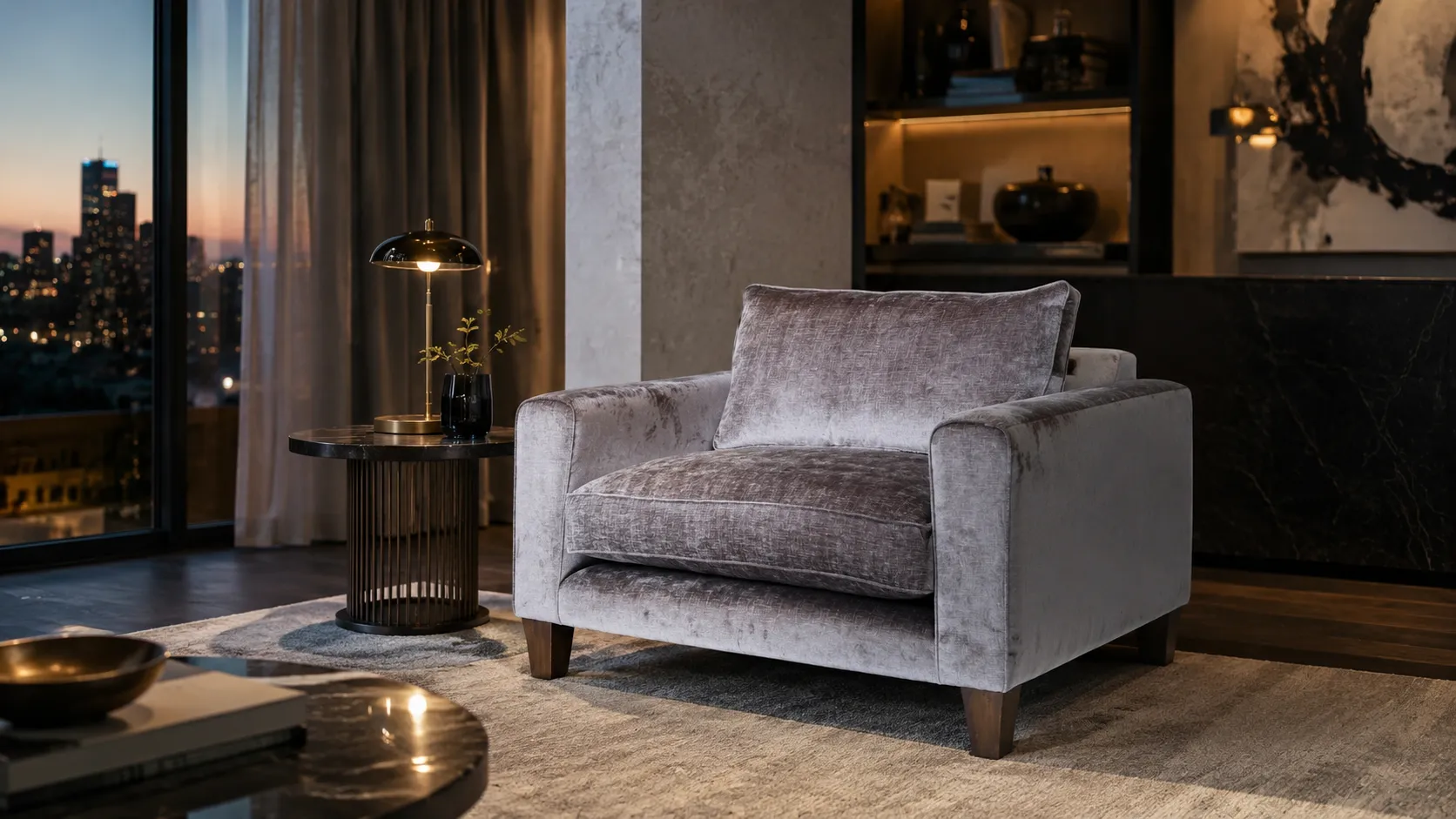
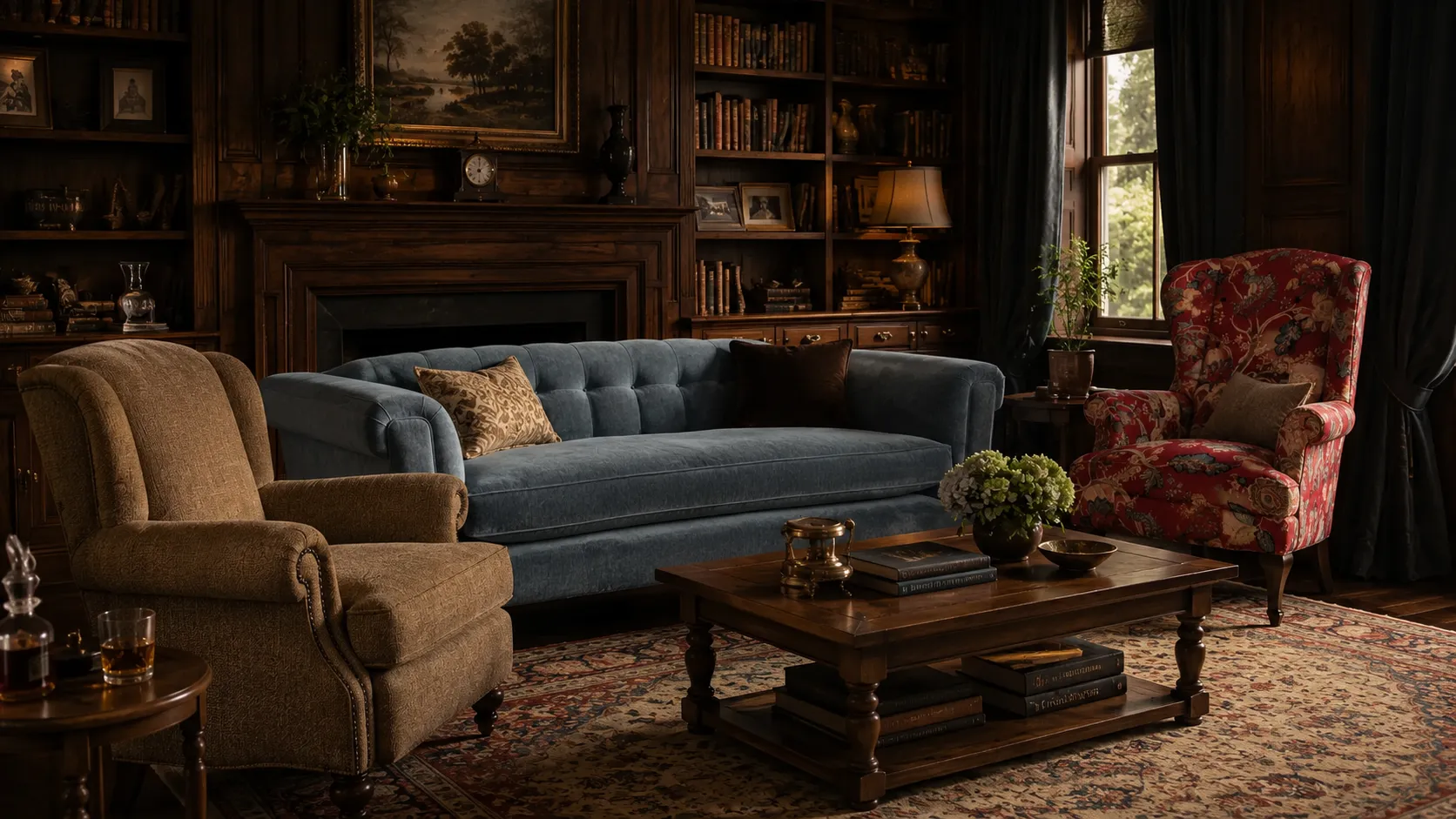
Before there is a sofa, there is sometimes something rather less glamorous.
A block of wood.
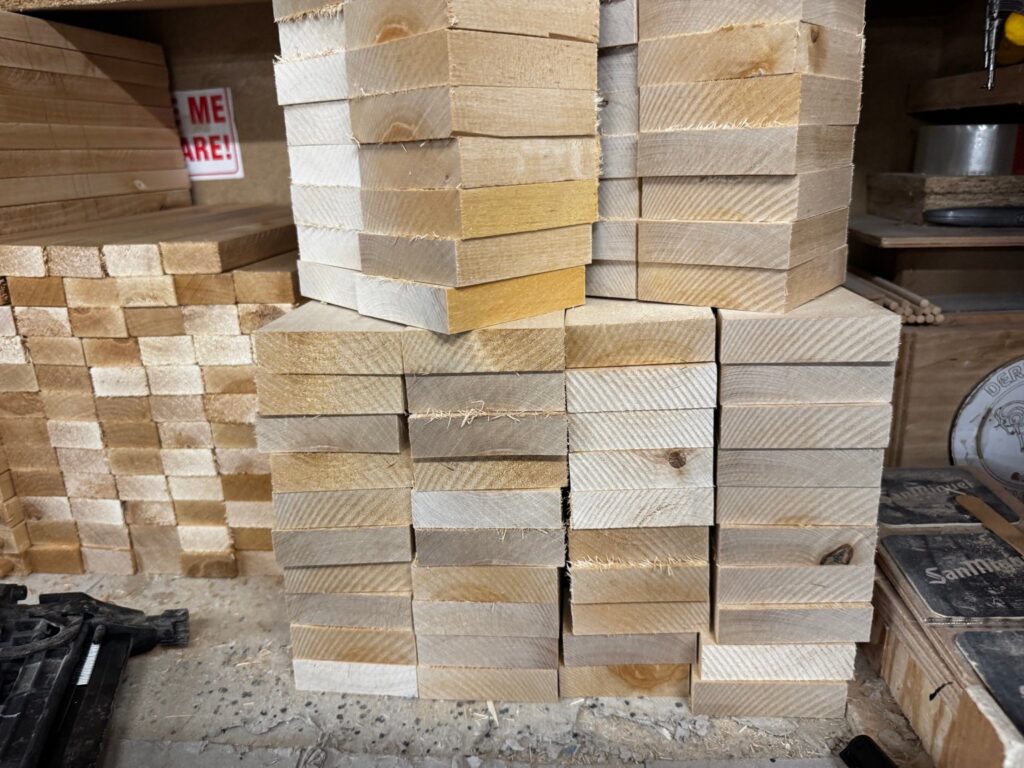
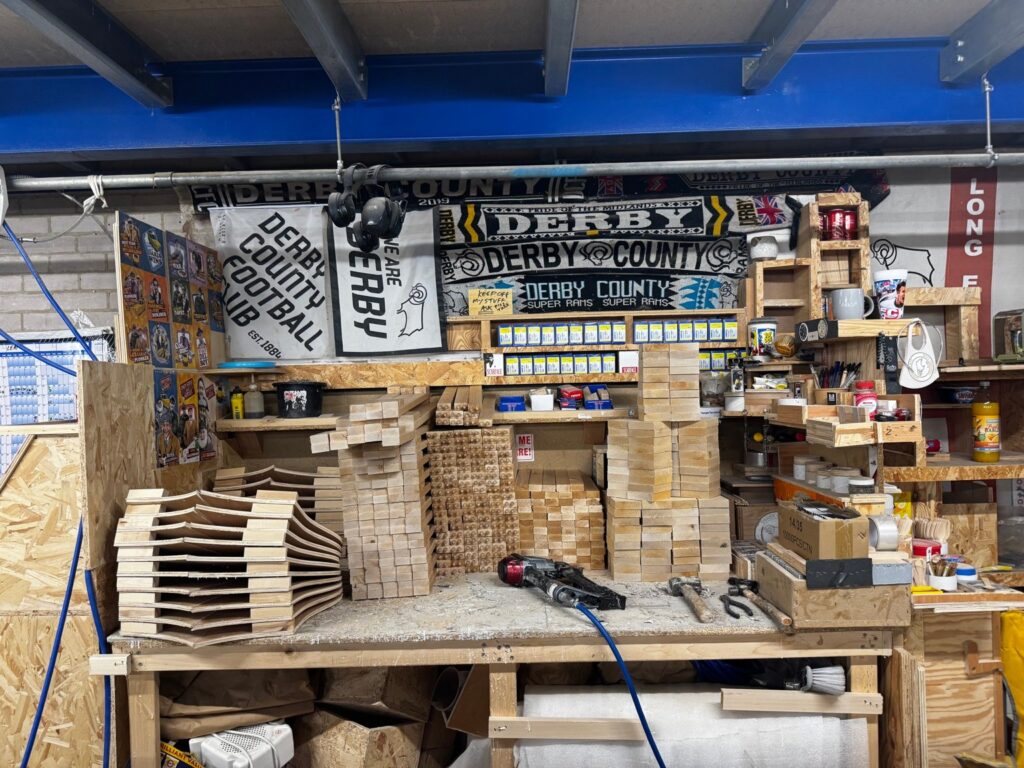
In the woodmill at John Sankey, timber waits in stacks.
Some pieces will become legs. Some feet. Some will disappear almost completely inside the furniture we make.
At this stage, there is very little to suggest where any of it is going.
And that is rather the point.
Every piece begins with an idea of what it should become. There are drawings. Dimensions. Patterns. Templates. The finished shape may already have been decided.
The timber hasn't read the drawing.
Wood has grain. It has knots. Its density varies. Direction matters. One piece can behave differently from the next. Two pieces cut to exactly the same dimensions are still two different pieces of wood. That is where making becomes more interesting.
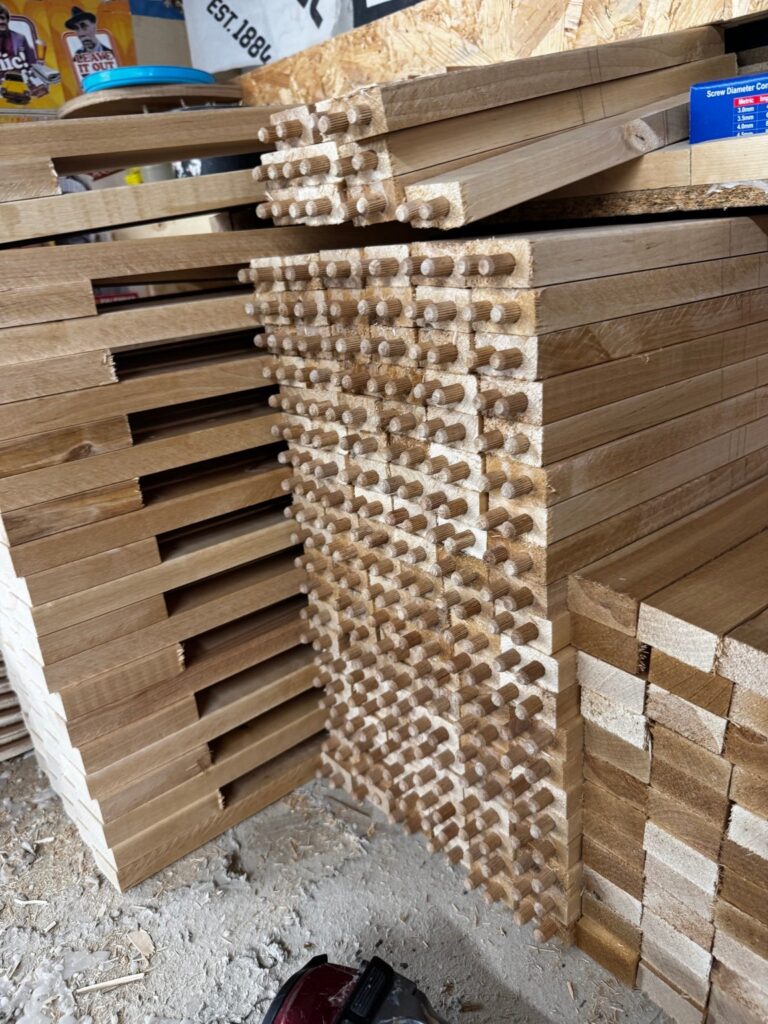
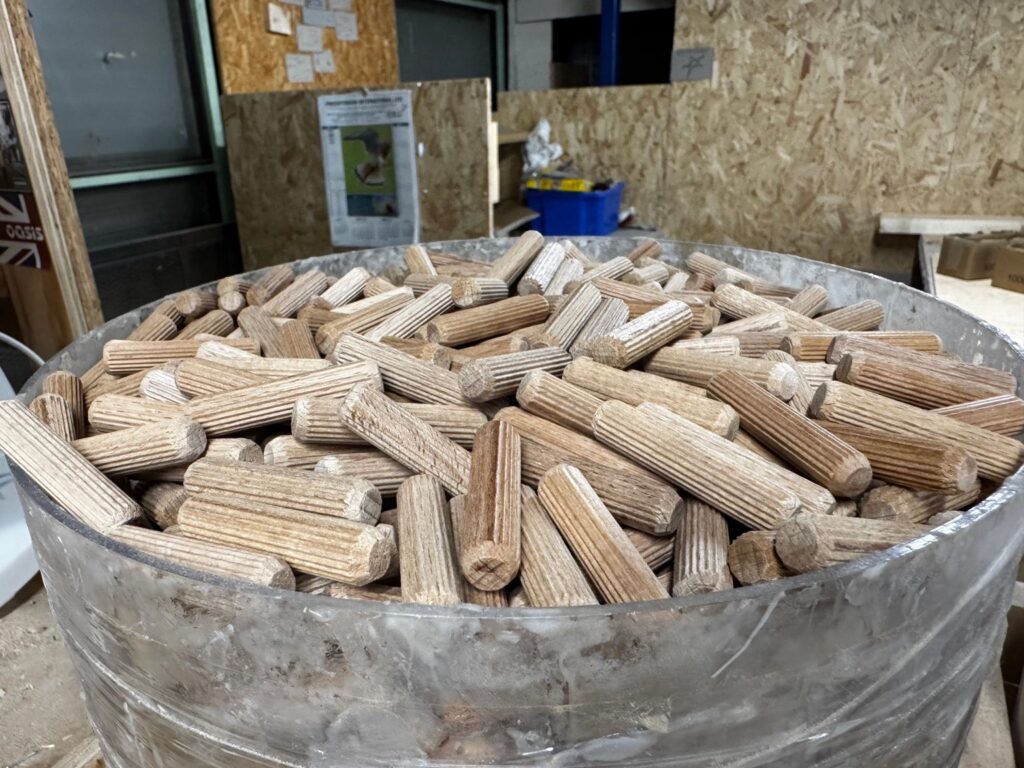
There is repetition everywhere in a furniture factory. But repetition is not quite the same thing as sameness. Lengths are cut. Joints are formed. Dowels are made and fitted by the hundred.
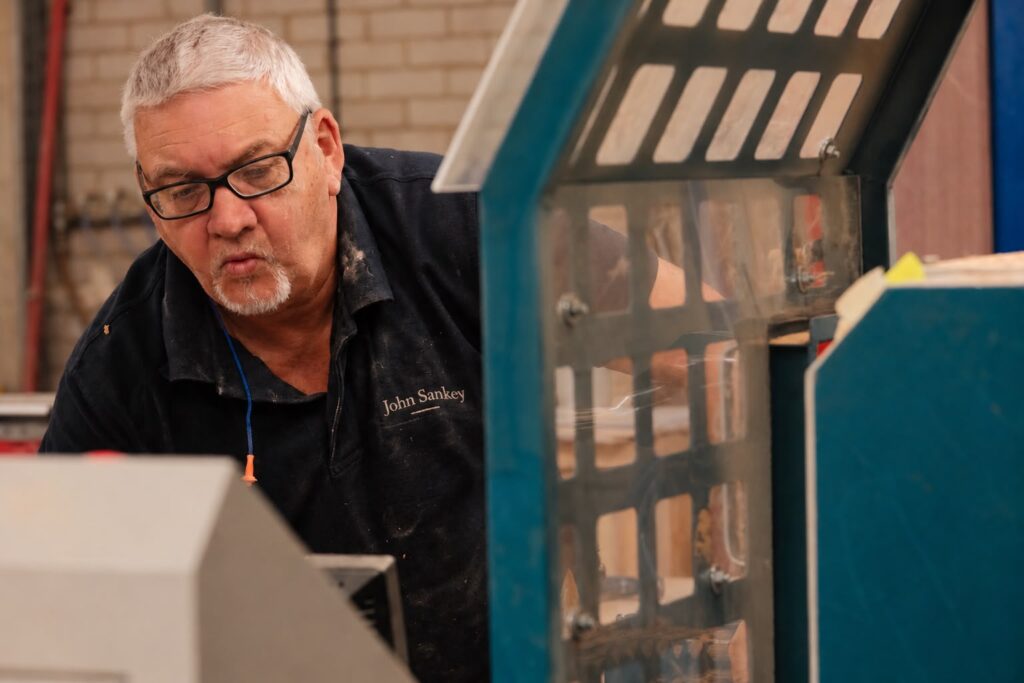
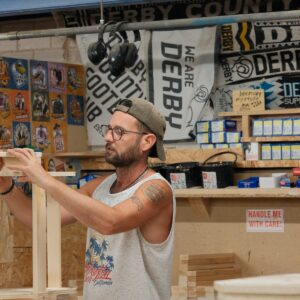
Machines can make extraordinarily precise cuts. Jigs can establish dimensions. Patterns allow the same shape to be made again and again. But somebody still has to watch what is happening. That might be one of the easiest things to misunderstand about making furniture.
We sometimes imagine craftsmanship as the absence of machinery. It isn't.
A machine is another tool.
The skill is knowing what to ask it to do — and recognising what the material in front of you is telling you in return.
A piece is offered up. Cut. Turned. Looked at. Worked again. The movements can appear repetitive, but the person doing them is looking for differences.
Grain. Resistance. A knot. An edge that hasn't behaved quite as expected.
Small decisions are being made all the time. Most disappear almost as quickly as they are made.
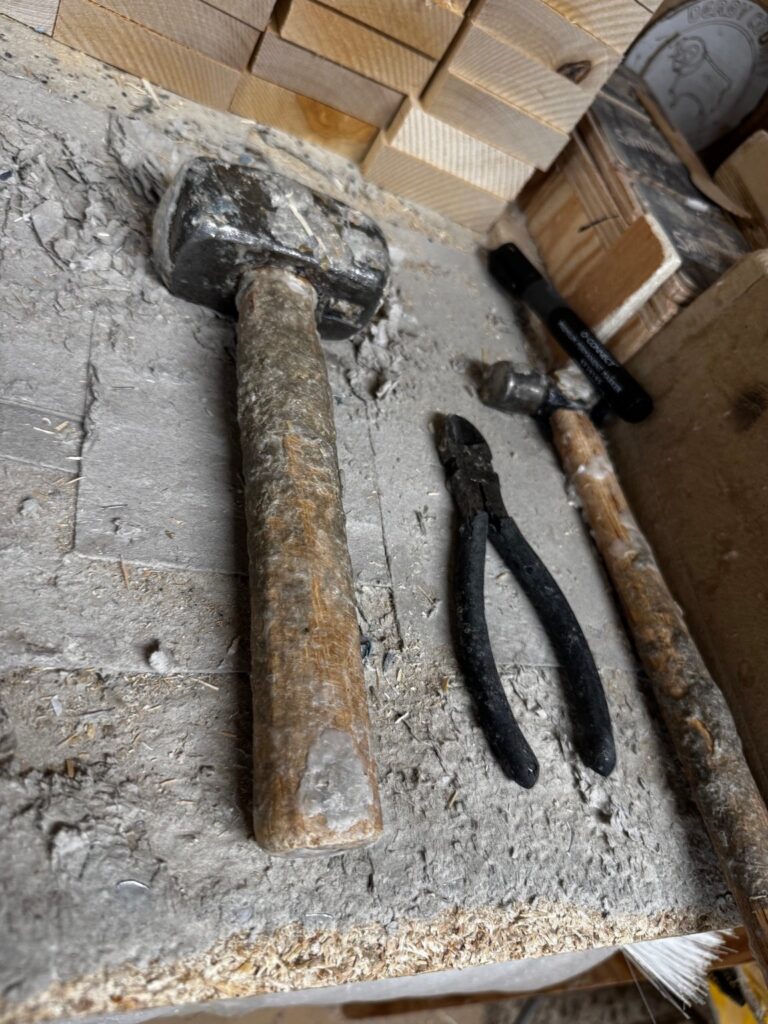
And then the hand comes back. Surfaces are checked. Edges are dealt with. Pieces are handled rather than merely measured. On the benches are tools that have clearly been doing this for quite a long time.
There is something else in the woodmill that tells the story rather beautifully.
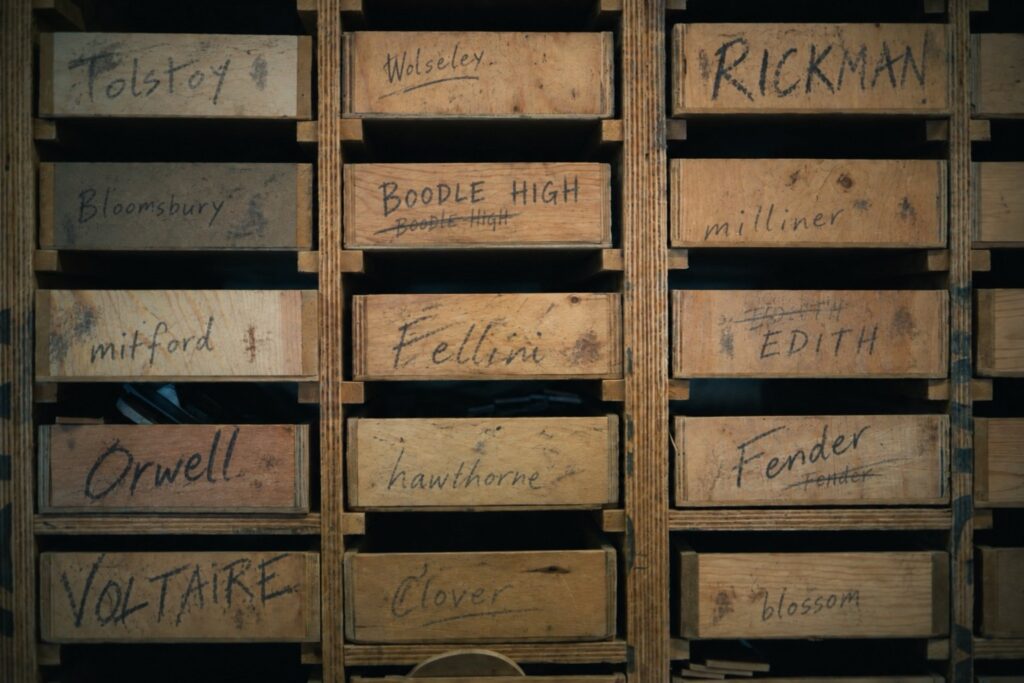
Rows of old wooden drawers.
On the front, written by different hands at different times, are names that will be familiar to anyone who has known John Sankey furniture for a while.
Some are neat. Some aren't. Some have been crossed out and written again.
Inside them is something approaching the physical memory of the furniture we make.
Patterns. The means by which a shape conceived years ago can be made again today. They tell the maker what something is supposed to become. But even a perfect pattern can only take you so far. It can describe the curve. It cannot tell you everything about the piece of timber that will become it.
That requires somebody who knows what they are looking at.
And perhaps that is where the relationship between material and maker becomes most interesting.
The maker is not fighting the timber. Nor is the timber entirely in charge. One brings intention.
The other brings its own character. Making happens somewhere between the two.
Eventually, almost all evidence of this disappears.
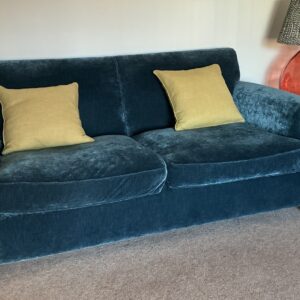
The frame is assembled. Upholstery covers much of the timber completely. The visible legs are finished, stained and polished.
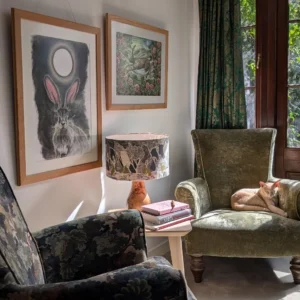
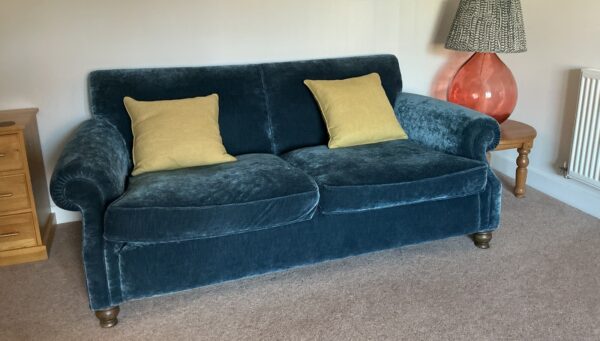
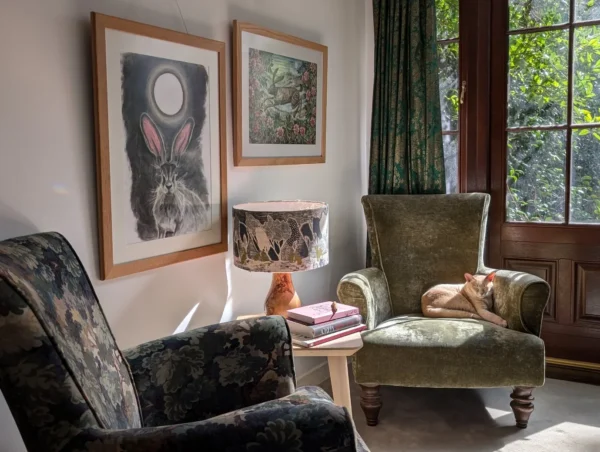
By the time a chair or sofa arrives in someone's home, you see proportion. A curve. Perhaps the way a leg lifts the furniture slightly from the floor.
You don't see the rough block of timber it began as.
You don't see the pattern pulled from an old wooden drawer.
You don't see the moment somebody stopped, looked at the grain and made a small decision about what to do next.
Perhaps you shouldn't.
Good making has a habit of hiding the difficulty.
By the time the finished piece reaches its home, hundreds of decisions have disappeared into it.
All that remains is the result.
The drawing began the conversation. The maker guided it.
But somewhere along the way, the timber had its say.