Every family has one. Nobody remembers buying it. Nobody can quite explain where it came from. It certainly wasn’t chosen because it matched the room. In fact, if we’re being honest, it probably doesn’t.
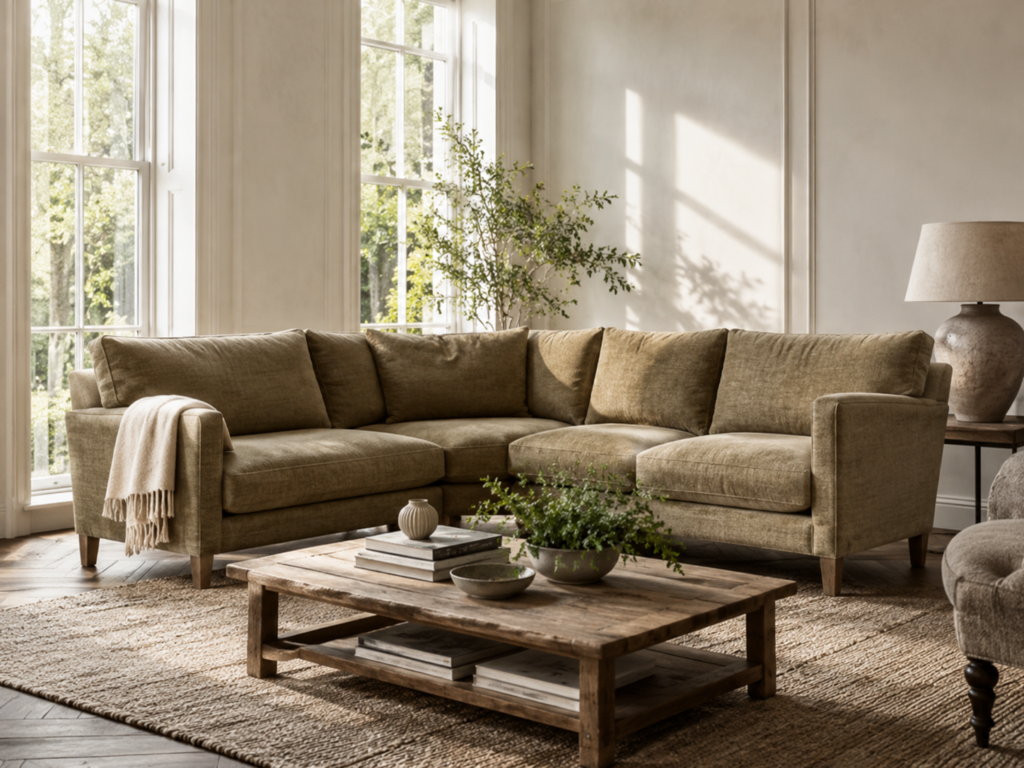
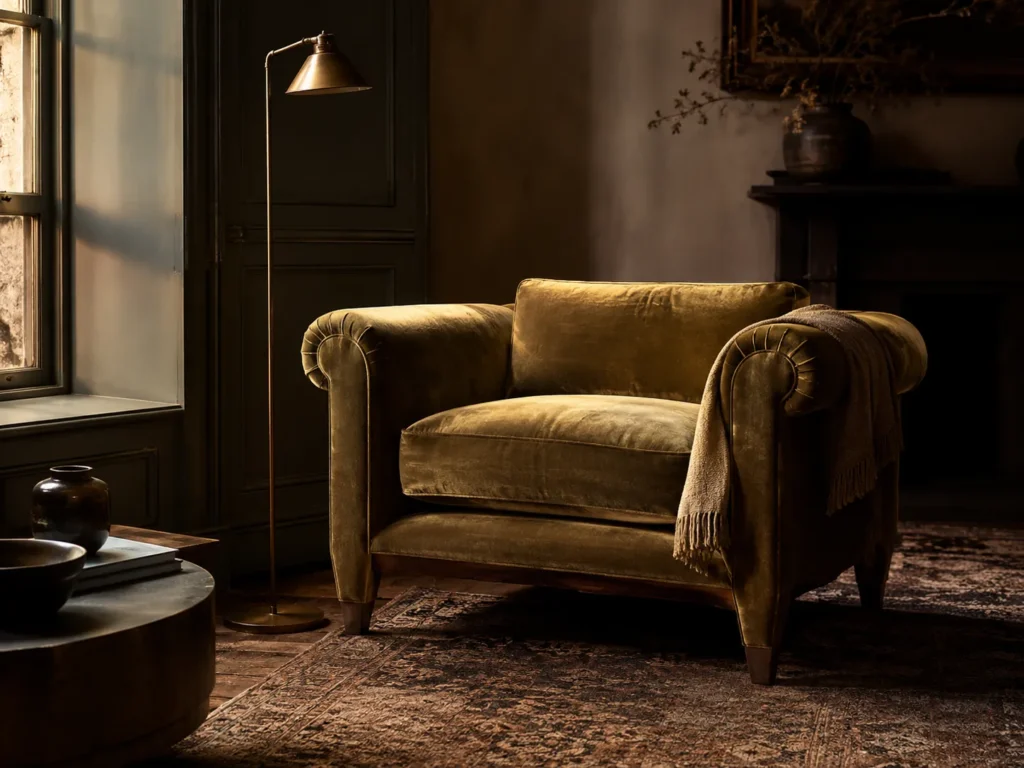
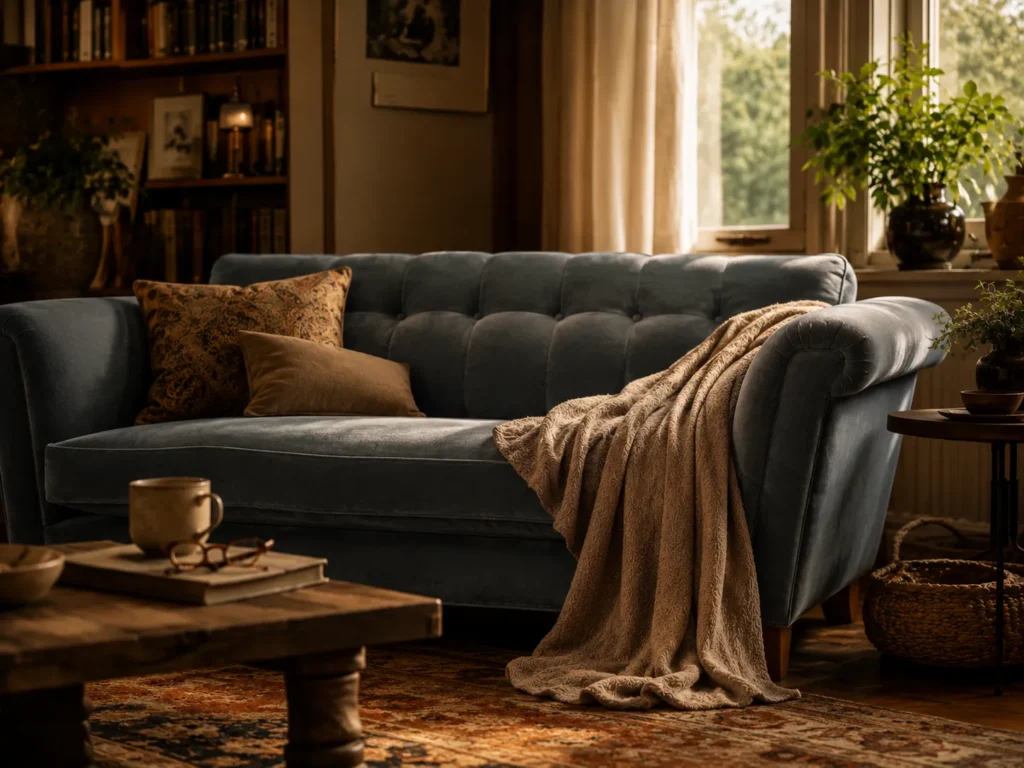
It has simply… always been there. Folded over the arm of the sofa. Occasionally draped across the back of a chair. Sometimes abandoned in a heap after a Sunday afternoon nap.
Every now and then, somebody decides enough is enough. It gets folded neatly. Taken upstairs. Placed carefully in the linen cupboard where blankets, in theory, are supposed to live.
And then, almost mysteriously, it returns. Not dramatically. Not immediately. Just quietly.
A cool evening arrives. Someone reaches for it without thinking. The following morning, it is back exactly where it has always been. No discussion. No vote. No explanation.
Some things simply know where they belong.
The Small Mysteries of Family Life
It is one of the small mysteries of family life. The longer you look, the more of them you begin to notice.
There is usually a mug that everyone knows belongs to one person. Not because their name is written on the bottom. Because everyone silently understands. Visitors never pick it. Children somehow know better.
Even if every mug in the cupboard is identical, one has quietly become Dad’s. Or Mum’s. Or Grandma’s. Nobody remembers how that happened either.
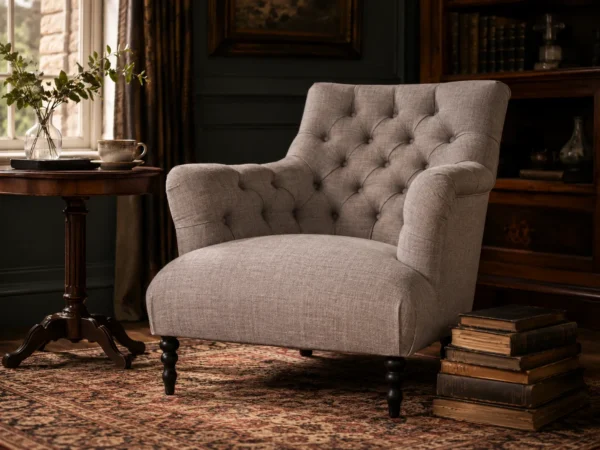
Then there is the chair. Every family has one. Not necessarily the biggest. Rarely the newest. Almost never the most expensive.
Yet if somebody else happens to sit there, something feels… slightly wrong. Nothing is said at first. Conversation continues. The kettle boils. Someone reaches for another biscuit.
But eventually, almost without fail, somebody smiles and says, “You’re in Dad’s chair.”
The room relaxes. Balance has been restored.
The Unspoken Rules of Home
It is remarkable how many of the rules that govern family life are never actually spoken. Shoes always end up beside the same door. The dog somehow knows exactly which cushion belongs to them. The television remote develops a favourite resting place. The newspaper is folded in a very particular way.
Someone always leaves a book face down despite promising never to do it again.
None of these habits appear important. Until they disappear.
Go away for a week. Stay in a beautiful hotel. Everything is cleaner. Tidier. More luxurious.
The towels are folded perfectly. The cushions sit exactly where they should. Nothing has been left on the coffee table. Everything is exactly as someone intended.
And yet…
By the third morning, many of us begin to miss the untidiness of home. The mug that was never quite where it belonged. The blanket permanently occupying one end of the sofa. The familiar creak of a floorboard outside the bedroom. The dog insisting on lying in precisely the place everyone has to step over.
Home, it turns out, is wonderfully inefficient. Perhaps that is exactly why we love it.
Proof That Somebody Lives Here
Somewhere along the way, we seem to have convinced ourselves that the perfect home is one where everything remains exactly as it was arranged.
But the homes we remember rarely behave like that. They move. Shift. Collect evidence.
A cardigan appears over the back of a dining chair. Letters gather beside the fruit bowl. A shopping list remains attached to the fridge weeks after everything on it has been bought. A pair of reading glasses quietly migrates from room to room throughout the day.
None of these things are particularly beautiful on their own. Together, they become something else entirely. They become proof that somebody lives here.
Children add their own contributions. A drawing attached to the fridge with fading tape. A toy somehow surviving beneath the sofa long after everyone thought it had disappeared. Tiny fingerprints on the patio doors exactly at toddler height.
Years later, those fingerprints are gone. The children are taller than the doors themselves. But the memory remains.
Dogs, of course, understand all of this instinctively. Every family dog knows there is one place where life happens. One patch of sunlight. One corner of the rug. One place beside the sofa where everyone eventually gathers.
Long before we notice the rhythm of a house, they already have.
Perhaps they understand something we occasionally forget. Home has very little to do with perfection. Everything to do with repetition.
Nobody Can Manufacture Familiarity
The extraordinary thing is that none of these details can really be designed. Interior designers can choose colours. Architects can shape beautiful spaces. Furniture makers can build pieces that last for generations.
But nobody can manufacture familiarity.
That arrives one ordinary day at a time. One cup of tea. One conversation. One rainy afternoon. One blanket returned to the sofa for what must surely be the thousandth time.
And perhaps that is why replacing certain things feels surprisingly emotional. Not because the object itself was extraordinary. But because it had quietly become part of the choreography of family life.
Its place was never marked on a floor plan. Yet everyone knew exactly where it belonged.
Part of the Family’s Story
Maybe that is the quiet genius of the things we keep. They ask almost nothing of us. They never demand admiration. They never insist on being noticed.
They simply remain. Patiently accompanying ordinary days until, almost without our permission, they become impossible to imagine without them.
So if you happen to glance across your sitting room today and notice a blanket folded over the arm of the sofa…perhaps leave it exactly where it is.
There is every chance it is already becoming part of your family’s story.
Every Sunday we publish new stories about British homes, craftsmanship, and family life. Continue exploring The Sankey Journal.